Understanding Pre-Cooked Prime Rib
Pre-cooked prime rib offers convenience, requiring only reheating to reach desired doneness—typically 125-130°F for medium-rare or 135-140°F for medium.
What is Pre-Cooked Prime Rib?
Pre-cooked prime rib represents a partially prepared roast, often smoked or roasted beforehand to a near-finished state. This method significantly reduces final cooking time, offering a convenient option for those seeking a delicious roast without extensive preparation. Typically, these roasts require only reheating to achieve the desired internal temperature, such as 125-130°F for medium-rare, or 135-140°F for medium, ensuring a tender and flavorful result.
Benefits of Buying Pre-Cooked
Pre-cooked prime rib dramatically cuts down on cooking time, ideal for busy schedules or unexpected guests. It minimizes kitchen effort, requiring only reheating instead of lengthy roasting processes. This method also reduces the risk of overcooking, as much of the process is already completed. Enjoy a restaurant-quality roast with less stress, achieving perfect temperatures like 125-130°F for medium-rare, easily and consistently.
Preparation Before Cooking
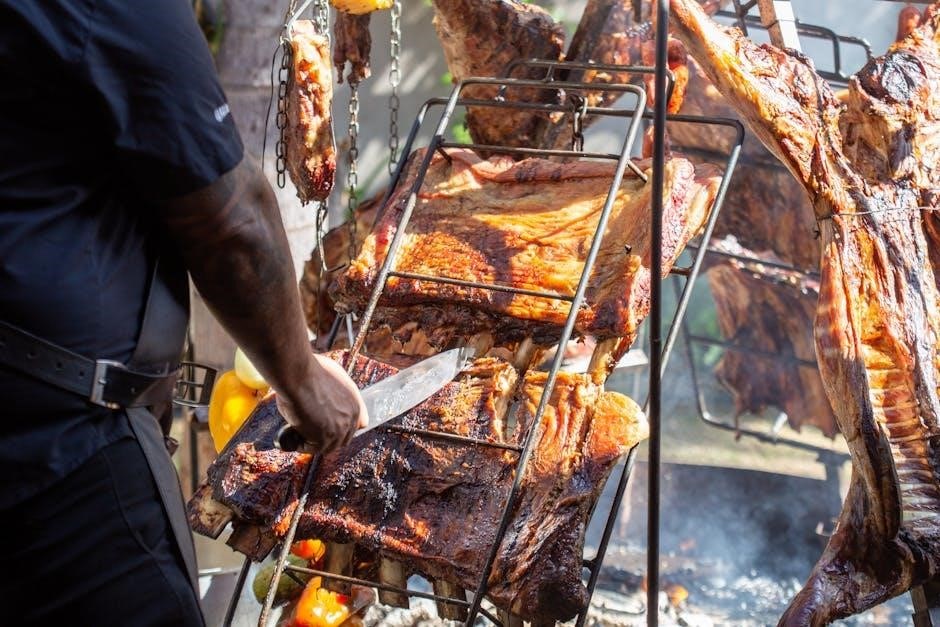
Pre-cooked prime rib benefits from proper thawing, seasoning with rubs like Rosemary Roast or Coffee Rub, and a brief resting period before reheating.
Thawing the Prime Rib
Thawing pre-cooked prime rib requires careful attention to food safety. The ideal method involves slow thawing in the refrigerator for 24-48 hours, depending on the roast’s weight. Ensure the roast remains securely wrapped to prevent cross-contamination. Avoid thawing at room temperature, as this encourages bacterial growth. For faster thawing, submerge the sealed roast in cold water, changing the water every 30 minutes, but cook immediately afterward.
Seasoning Recommendations
While pre-cooked prime rib often comes pre-seasoned, enhancing the flavor is encouraged! Consider SRF Rosemary Roast Seasoning or SRF x Just a Taste Coffee Rub for a delightful aromatic experience. Kosher salt is a versatile base. Apply seasonings generously to all sides before reheating. Simple additions like garlic powder, black pepper, or herbs can elevate the taste profile, complementing the existing flavors.
Resting Period Before Cooking
Allowing the pre-cooked prime rib to rest at room temperature for approximately 30-60 minutes before reheating is beneficial. This allows for more even heat distribution during the cooking process. Removing it from the refrigerator beforehand helps prevent a cold center and ensures a more consistently cooked roast, ultimately improving tenderness and overall flavor.
Cooking Methods & Temperatures
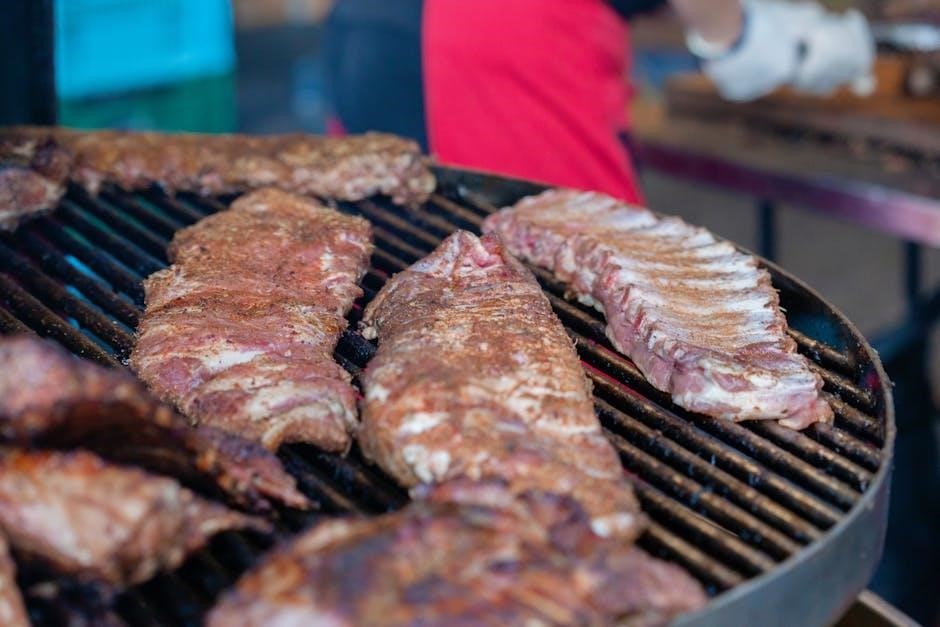
Reheating options include 250°F for slow cooking, a 450°F sear followed by 325°F, or a standard 350°F oven method for convenience.
Low and Slow Method (250°F)
For incredibly tender results, utilize the low and slow method. Preheat your oven to 250°F, placing the pre-cooked prime rib on a rack within a roasting pan. This gentle heat allows for even warming and prevents drying. Cook for approximately 4 to 5 hours, diligently monitoring the internal temperature. Aim for 125-130°F for medium-rare, or 135-140°F for medium, ensuring a succulent and flavorful roast.
High Heat Sear & Reduce (450°F to 325°F)
Begin by searing the pre-cooked prime rib at a high temperature of 450°F for roughly 40 minutes. This creates a flavorful crust. Subsequently, reduce the oven temperature to 325°F and continue cooking until the internal temperature reaches your desired level of doneness. Monitor closely to avoid overcooking; aim for 125-130°F for medium-rare, or 135-140°F for medium, resulting in a beautifully browned and tender roast.
Standard Oven Method (350°F)
For a straightforward approach, preheat your oven to 350°F. Generously season the pre-cooked prime rib with kosher salt or a preferred rub, like Rosemary Roast or Coffee Rub. Place the roast on a rack in a roasting pan and cook until it reaches an internal temperature of 125-130°F for medium-rare, or 135-140°F for medium. This method provides consistent and reliable results.
Internal Temperature Guidelines
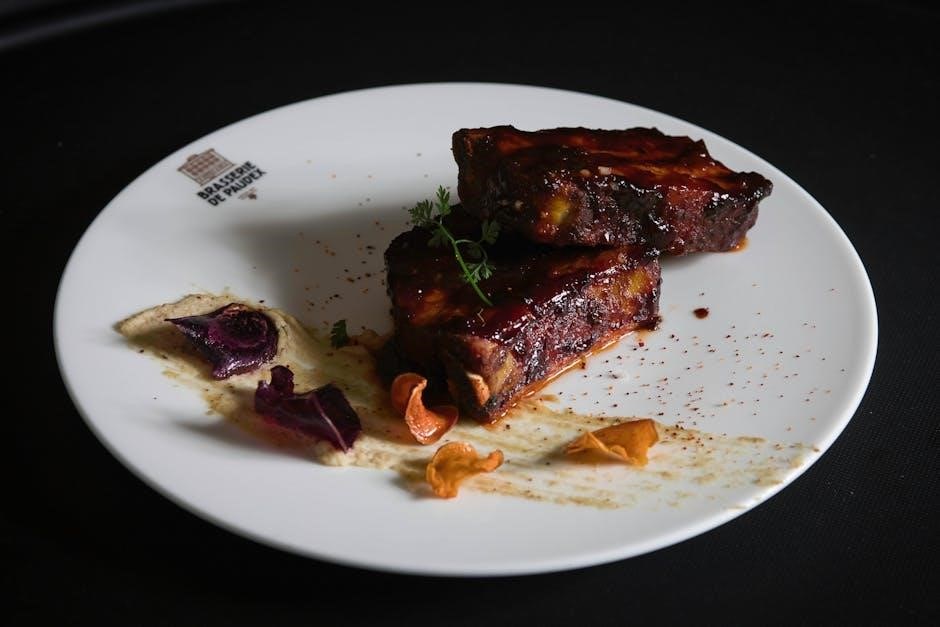
Achieve medium-rare at 125-130°F, or medium at 135-140°F. Use a reliable meat thermometer to ensure accurate and safe cooking temperatures.
Medium-Rare (125-130°F)
For a delightfully tender, juicy medium-rare prime rib, aim for an internal temperature between 125°F and 130°F. Utilizing the low and slow method at 250°F for 4-5 hours, or a sear-and-reduce technique starting at 450°F then dropping to 325°F, will yield excellent results. Remember to rest the roast post-cooking for optimal flavor and tenderness, allowing the juices to redistribute throughout the meat.
Medium (135-140°F)
Achieving a medium doneness in your pre-cooked prime rib requires reaching an internal temperature of 135-140°F. Employing the 350°F standard oven method, or the sear-and-reduce technique (450°F down to 325°F), are effective approaches. Monitor closely with a meat thermometer. Post-cooking, a proper resting period is crucial for juice retention, ensuring a flavorful and succulent roast, avoiding dryness.
Resting After Cooking
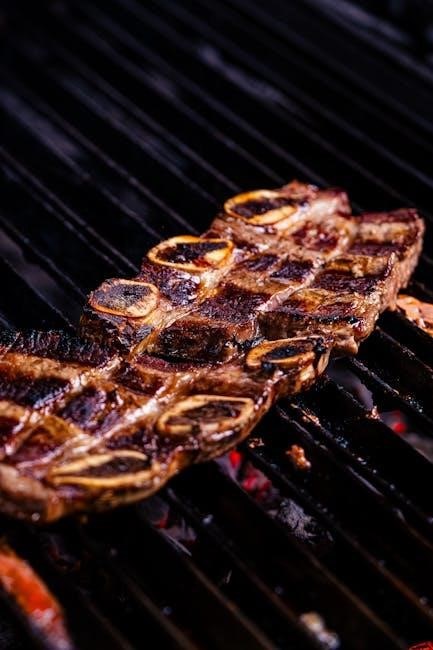
Resting allows juices to redistribute, vital for tenderness and flavor. A sufficient resting time—at least 20-30 minutes—is essential for a perfectly cooked prime rib.
Importance of Resting
Resting is arguably as crucial as the cooking process itself, especially with pre-cooked prime rib. During cooking, muscle fibers contract, squeezing out moisture. Allowing the roast to rest enables these fibers to relax and reabsorb those flavorful juices, resulting in a significantly more tender and succulent final product.
Without adequate resting, carving will release a flood of liquid, leaving you with a drier, less enjoyable roast. Patience is key to maximizing flavor and texture!
Resting Time Duration
For a pre-cooked prime rib, a resting period of at least 20-30 minutes is highly recommended, even for smaller roasts. Larger cuts (over 8 pounds) may benefit from a 45-60 minute rest. Tent loosely with foil to maintain warmth while allowing the internal temperature to stabilize and redistribute juices.
Resist the urge to carve immediately; this time is vital for tenderness and flavor!
Carving the Prime Rib
Proper carving involves locating the grain and slicing against it for maximum tenderness, yielding beautifully presented, flavorful slices of pre-cooked prime rib.
Proper Carving Technique
Begin by identifying the direction of the muscle fibers – this is the grain. Using a long, sharp carving knife, slice against the grain, creating even slices approximately ¼ to ½ inch thick. Start by separating the rib bones from the roast, then carve slices perpendicular to the grain.
Maintain consistent pressure and angle throughout the carving process for uniform slices. A slightly angled cut can enhance presentation. Remember, slicing against the grain shortens the muscle fibers, resulting in a more tender bite.
Slicing Against the Grain
Slicing against the grain is crucial for tenderness. Locate the muscle fibers’ direction and cut perpendicularly. This shortens those fibers, making each bite easier to chew and more enjoyable. Consistent, even slices, about ¼ to ½ inch thick, are ideal.
Observe the roast carefully to identify the grain’s path before beginning. Proper technique transforms a potentially tough cut into a succulent dining experience, maximizing flavor and texture.
Serving Suggestions
Classic side dishes like roasted potatoes, Yorkshire pudding, and creamed spinach complement prime rib beautifully. Pair with horseradish sauce or a red wine reduction.
Classic Side Dishes
Elevate your pre-cooked prime rib feast with traditional accompaniments! Creamy au gratin potatoes provide a rich, comforting base. Yorkshire pudding, with its airy texture, is a quintessential pairing. Don’t forget vibrant green vegetables – roasted asparagus, sautéed Brussels sprouts, or classic creamed spinach offer balance. A horseradish and sour cream sauce cuts through the richness, while a simple red wine reduction adds sophistication.
Sauce Pairings
Enhance your pre-cooked prime rib with complementary sauces! A classic horseradish cream sauce provides a zesty kick, balancing the richness. Red wine reduction, simmered with shallots and herbs, offers elegant depth. For a bolder flavor, consider a coffee rub-inspired sauce. Bearnaise sauce, with its tarragon notes, is a luxurious choice. Don’t underestimate a simple pan jus, intensified with butter and aromatics.
Troubleshooting Common Issues
Dry prime rib often results from overcooking; use a thermometer! Overcooked meat lacks tenderness—rest properly and consider a flavorful sauce to compensate.
Prime Rib is Dry
A dry pre-cooked prime rib usually indicates exceeding the recommended internal temperature during reheating. Ensure precise monitoring with a meat thermometer, aiming for medium-rare (125-130°F) or medium (135-140°F).
Insufficient resting time also contributes to dryness, as juices haven’t redistributed. Generously basting with pan juices or serving with a rich sauce, like a horseradish cream, can help restore moisture and enhance flavor, masking the dryness effectively.
Prime Rib is Overcooked
If your pre-cooked prime rib is overcooked, it means the internal temperature surpassed your target during reheating. Unfortunately, reversing this isn’t possible; overcooked meat becomes tough and loses flavor.
To prevent this, use a reliable meat thermometer and carefully monitor the temperature. Lower reheating temperatures (like 250°F) and shorter times are preferable to avoid exceeding the desired doneness, especially for pre-cooked cuts.
Safety Considerations
Handle pre-cooked prime rib like raw meat; prevent cross-contamination. Ensure thorough reheating to a safe internal temperature for food safety and enjoyment.
Food Safety Guidelines
Prioritize safe handling of pre-cooked prime rib to avoid foodborne illness. Keep the roast refrigerated until ready to cook, and prevent cross-contamination by using separate cutting boards and utensils. Always wash hands thoroughly before and after handling. Reheat to an internal temperature of 145°F (63°C) as measured with a food thermometer to ensure it’s safe for consumption, even if aiming for medium-rare doneness initially.
Proper Handling of Raw Meat
Even with pre-cooked prime rib, remember basic raw meat safety; Store it immediately in the refrigerator, separate from other foods, to prevent cross-contamination. Use dedicated cutting boards and utensils. Thoroughly wash hands with soap and water after touching the packaging or the roast itself. Avoid thawing at room temperature; use the refrigerator or cold water method instead.
Storing Leftovers
Leftover prime rib should be refrigerated promptly in airtight containers and consumed within 3-4 days for optimal quality and safety.
Refrigeration Instructions
To properly refrigerate leftover pre-cooked prime rib, allow it to cool to room temperature first, but no longer than two hours. Then, tightly wrap the slices or the remaining roast in plastic wrap, followed by aluminum foil, or store them in airtight containers.
This prevents drying and odor absorption. Refrigerate immediately at 40°F (4°C) or below, and consume within three to four days for the best flavor and texture.
Reheating Methods
For reheating pre-cooked prime rib, the oven is preferred. Preheat to 250°F (121°C), add a little beef broth to the pan, and cover tightly with foil. Reheat until warmed through—about 20-30 minutes per pound. Alternatively, use a microwave on low power in short intervals, but this may affect texture.
Ensure an internal temperature of 140°F (60°C) is reached before serving for food safety.
Estimated Cooking Times
Reheating times vary by weight; expect roughly 4-5 hours at 250°F for a roast, checking internal temperature frequently for desired doneness.
Based on Weight
For a 4-6 pound pre-cooked prime rib, allocate approximately 4 to 5 hours at 250°F, monitoring the internal temperature closely. Larger roasts (7-9 pounds) may require 5-6 hours. Always use a reliable meat thermometer to ensure accuracy. Remember, carryover cooking will continue to raise the temperature after removal from the oven, so pull it slightly before your target.
Adjusting for Oven Variations
Oven temperatures can vary, so consistent monitoring is crucial. If your oven runs hot, reduce the temperature by 25°F. Conversely, if it’s cooler, increase it slightly. Utilize an oven thermometer for verification. Check the internal temperature frequently, especially during the final hour, to prevent overcooking. Adjust cooking time accordingly, prioritizing a precise final temperature.
Understanding Rubs and Seasonings
Rosemary Roast Seasoning and Coffee Rubs enhance pre-cooked prime rib’s flavor. Generously season all sides with kosher salt or your preferred rub blend.
Rosemary Roast Seasoning
Rosemary Roast Seasoning, like that offered by Snake River Farms, is a popular choice for pre-cooked prime rib. This blend typically includes rosemary, garlic, and other herbs designed to complement the rich flavor of the beef. Applying it generously to all sides before reheating infuses the roast with aromatic notes, creating a delightful culinary experience. It’s a simple way to elevate a convenient meal, adding depth and complexity to each slice.
Coffee Rub Options
Coffee Rubs, such as the SRF x Just a Taste blend, present a unique flavor profile for pre-cooked prime rib. The coffee grounds create a dark, flavorful crust, while spices like paprika and garlic powder add complexity. Applying this rub generously before reheating provides a bold, savory experience. The slight bitterness of the coffee beautifully balances the richness of the beef, offering a sophisticated taste.
Resources for Further Information
Snake River Farms and Nom Nom Paleo offer detailed guides and recipes for pre-cooked prime rib, ensuring a delicious and successful roast.
Snake River Farms
Snake River Farms (SRF) provides comprehensive preparation instructions for their pre-cooked prime rib. They recommend preheating your oven to 350°F and generously seasoning the roast with kosher salt or their signature rubs, like Rosemary Roast Seasoning or the Coffee Rub. SRF emphasizes achieving the desired internal temperature for optimal flavor and tenderness, offering guidance for various levels of doneness.
Nom Nom Paleo
Nom Nom Paleo suggests an exceptionally easy method for pre-cooked prime rib: heat your oven to 250°F with the rack positioned in the lower-middle. Cook the roast for 4 to 5 hours, diligently monitoring the internal temperature. Aim for 125-130°F for medium-rare, or 135-140°F for medium, ensuring a deliciously tender and flavorful result with minimal effort.