Bubble Clay Mask Instructions: A Comprehensive Guide
Unveil radiant skin! This guide details everything about bubble clay masks – from understanding their unique action to crafting
DIY recipes for a revitalized complexion. Discover the power of cleansing!
What is a Bubble Clay Mask?
Bubble clay masks represent a fascinating innovation in skincare, blending the deep-cleansing properties of traditional clay masks with the invigorating sensation of carbonation. Unlike standard clay masks that simply dry and tighten, these masks create a fizzy, bubbling effect upon application. This unique characteristic isn’t merely for show; it actively lifts impurities from pores.
The bubbling action is typically triggered by a reaction between clay and carbonated water, releasing carbon dioxide. This gas gently massages the skin, enhancing circulation and aiding in the removal of dead skin cells, excess sebum, and environmental pollutants. They offer a spa-like experience at home, providing a deep cleanse and leaving skin feeling refreshed and revitalized.
Essentially, a bubble clay mask is a self-carbonating facial treatment designed to detoxify and brighten the complexion, offering a more dynamic and effective cleansing experience than conventional clay masks.
Benefits of Using a Bubble Clay Mask
Bubble clay masks offer a multitude of benefits for various skin types. Their primary advantage lies in their deep-cleansing ability, effectively removing impurities and toxins from pores, leading to a clearer complexion. The carbonation gently exfoliates, diminishing the appearance of blackheads and promoting smoother skin texture.
Beyond cleansing, the bubbling action stimulates blood circulation, enhancing nutrient delivery to skin cells and promoting a healthy glow. Many formulations include beneficial ingredients like green tea or aloe vera, adding antioxidant and soothing properties. This can help reduce inflammation and redness, making them suitable for sensitive skin (with proper patch testing).
Regular use can contribute to minimized pores, improved skin tone, and a brighter, more radiant appearance. They provide a revitalizing experience, leaving skin feeling refreshed, purified, and noticeably softer.
Key Ingredients Commonly Found in Bubble Clay Masks
Bubble clay masks derive their effectiveness from a carefully curated blend of ingredients. Clay, in forms like Bentonite and Kaolin, is fundamental, drawing out impurities and excess oil. Bentonite is potent for oily skin, while Kaolin is gentler for sensitive types.
Carbonated water is the star, creating the signature bubbling effect. This effervescence gently exfoliates and boosts circulation. Natural extracts further enhance benefits; Green Tea provides antioxidants combating free radicals, while Aloe Vera soothes and hydrates irritated skin.
Other common additions include charcoal for detoxification, hyaluronic acid for hydration, and various vitamins for nourishment. These ingredients work synergistically to cleanse, exfoliate, and revitalize, delivering a spa-like experience at home. Formulations often prioritize natural and skin-friendly components.
Clay Types (Bentonite, Kaolin, etc.)
Clays are the cornerstone of bubble clay masks, each offering unique properties. Bentonite clay, formed from volcanic ash, boasts a strong negative charge, effectively attracting and absorbing toxins and excess sebum. This makes it ideal for oily and acne-prone skin, providing a deep cleanse.
Kaolin clay, a milder option, comes in various colors (white, pink, red) with differing levels of absorption. White Kaolin is the gentlest, suitable for sensitive skin, while pink and red varieties offer slightly more cleansing power.
Other clays like Fuller’s Earth are also utilized for their absorbent qualities. The choice of clay depends on skin type and desired intensity. Properly sourced and processed clays ensure optimal benefits without irritation, contributing to a balanced and purified complexion.
Carbonated Water & Its Role
Carbonated water is the secret behind the “bubble” effect in these masks, but its function extends beyond mere fizz. The carbon dioxide (CO2) released penetrates pores, gently aiding in dislodging dirt, oil, and impurities. This process, known as carbonation therapy, enhances circulation and delivers a mild exfoliating effect.
The bubbling action also creates a unique sensorial experience, often described as a tingling sensation. This sensation isn’t harmful; it indicates the CO2 is working to oxygenate the skin.
Furthermore, carbonated water helps to balance the skin’s pH level, contributing to a healthier skin barrier. It’s a gentle yet effective component, making bubble clay masks suitable for various skin types when combined with appropriate clay and other ingredients.
Natural Extracts (Green Tea, Aloe Vera, etc.)
Bubble clay masks frequently incorporate natural extracts to amplify their benefits. Green tea extract, rich in antioxidants, combats free radicals and soothes inflammation, ideal for sensitive or acne-prone skin. Aloe vera provides intense hydration and calming properties, reducing redness and irritation.
Other common additions include chamomile, known for its anti-inflammatory effects, and centella asiatica (cica), which promotes wound healing and strengthens the skin barrier. These extracts work synergistically with the clay and carbonated water to deliver a multi-faceted skincare experience.
The inclusion of these botanical ingredients ensures the mask isn’t solely focused on deep cleansing but also nourishes and protects the skin, leaving it feeling revitalized and balanced. Choosing masks with thoughtfully selected extracts can address specific skin concerns.
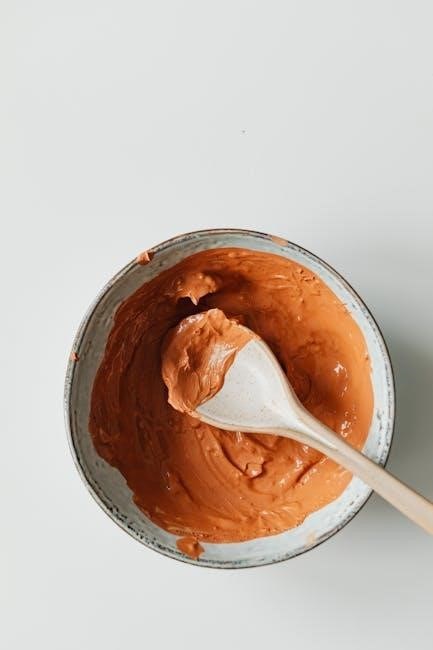
DIY Bubble Clay Mask Recipes
Create customized skincare! Explore simple, effective recipes using readily available ingredients to craft bubble clay masks tailored to your unique skin type and concerns.
Basic DIY Bubble Clay Mask Recipe
For a simple, yet effective, introduction to the world of bubble clay masks, this recipe is perfect! You’ll need 1 tablespoon of your chosen clay (bentonite or kaolin are excellent starting points), 1 teaspoon of baking soda – this is key for the bubbling action – and 1-2 teaspoons of water or floral water (rosewater is lovely).
Begin by combining the clay and baking soda in a non-metal bowl. Gradually add the liquid, mixing until you achieve a smooth, paste-like consistency. Avoid using metal utensils as they can react with the clay. Once combined, the mixture will start to slightly fizz – this is a good sign!
For an extra boost, consider adding a few drops of your favorite essential oil (lavender or tea tree are popular choices, but always perform a patch test first!). This basic recipe provides a gentle cleanse and a delightful bubbling sensation, leaving your skin feeling refreshed and revitalized. Remember to use immediately after mixing for optimal bubbling!
Recipe for Oily & Acne-Prone Skin
Target excess oil and blemishes with this powerful mask! Combine 1 tablespoon of bentonite clay – renowned for its deep-cleansing properties – with 1 teaspoon of baking soda. Add ½ teaspoon of activated charcoal, a fantastic ingredient for drawing out impurities. For antibacterial benefits, incorporate 2-3 drops of tea tree essential oil, always patch test first!
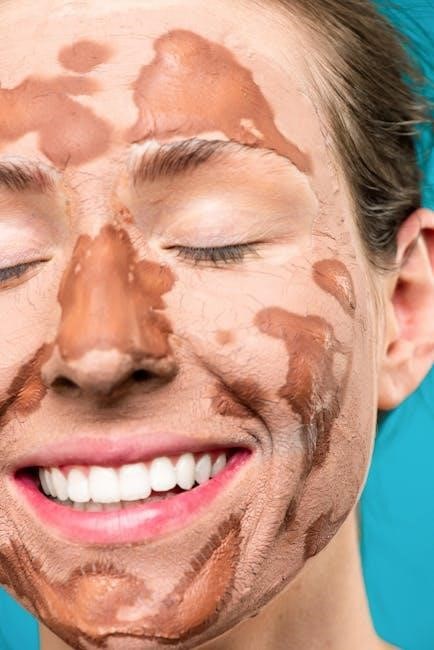
Slowly introduce 1-2 teaspoons of apple cider vinegar (diluted with water if sensitive) or green tea. The fizzing action will begin as the vinegar reacts with the baking soda. Adjust the liquid to achieve a smooth paste. Avoid overly runny consistency.
This mask’s ingredients work synergistically to absorb excess sebum, unclog pores, and reduce inflammation. The charcoal helps detoxify, while tea tree oil combats acne-causing bacteria. Apply carefully, avoiding the eye area, and enjoy the bubbling sensation as it purifies your skin.
Recipe for Dry & Sensitive Skin
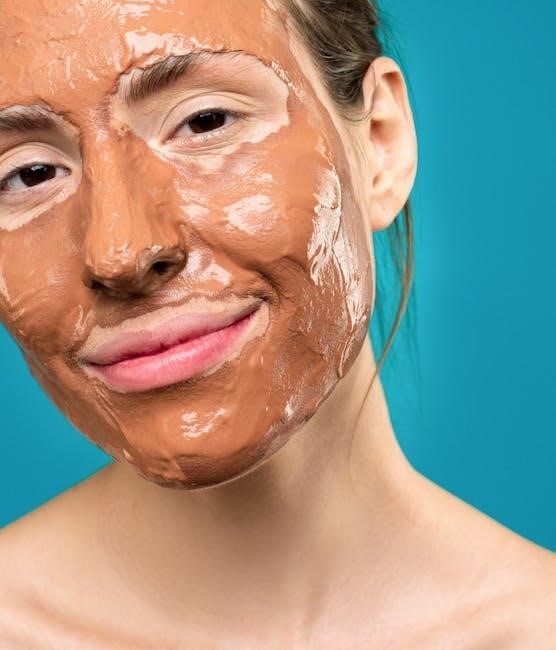
Nourish and hydrate delicate skin with this gentle bubble clay mask! Begin with 1 tablespoon of kaolin clay, known for its mild cleansing action and ability to soothe irritation. Add 1 teaspoon of finely ground oatmeal – a natural emollient that calms redness and provides gentle exfoliation. Incorporate ½ teaspoon of aloe vera powder for its hydrating and anti-inflammatory properties.
To activate the bubbling effect, slowly add 1-2 teaspoons of chamomile tea (cooled) or rosewater. These ingredients offer additional soothing benefits. Mix well to form a smooth, creamy paste. Avoid vigorous mixing to preserve the delicate ingredients.
This mask is designed to replenish moisture, calm sensitivity, and gently cleanse without stripping the skin’s natural oils. The oatmeal and aloe vera work together to provide a comforting and hydrating experience. Apply a thin layer and enjoy the subtle bubbling sensation.
Recipe for Brightening & Anti-Aging
Revitalize dull skin and combat signs of aging with this potent bubble clay mask! Start with 1 tablespoon of white kaolin clay, excellent for gentle exfoliation and brightening. Add ½ teaspoon of turmeric powder – a powerful antioxidant known for its skin-illuminating properties. Incorporate 1 teaspoon of green tea powder, rich in antioxidants that fight free radicals and promote collagen production.
To activate the bubbling, gradually add 1-2 teaspoons of sparkling water or a carbonated mineral water. This will create a gentle fizzing action. Mix thoroughly to achieve a smooth, consistent paste. A drop of Vitamin C serum (optional) can further enhance brightening effects.
This mask aims to improve skin tone, reduce the appearance of fine lines, and boost radiance. The turmeric and green tea work synergistically to protect and rejuvenate the skin, leaving it looking youthful and glowing.
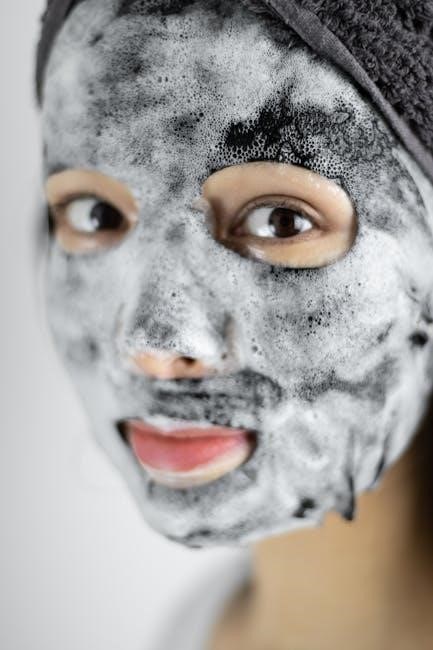
Step-by-Step Application Instructions
Achieve optimal results with proper application! Prepare your skin, apply evenly, enjoy the bubbling sensation, and follow the recommended duration for a flawless experience.
Preparing Your Skin Before Application
Optimal skin preparation is key to maximizing the benefits of your bubble clay mask. Begin with a gentle, yet thorough, cleanse to remove any makeup, dirt, and excess oil. This creates a pristine canvas for the mask to work its magic, allowing for deeper penetration of beneficial ingredients.
Following cleansing, consider a mild exfoliation – once or twice a week – to slough off dead skin cells. This isn’t a mandatory step before every application, but it significantly enhances absorption. Be gentle; harsh scrubbing can irritate the skin.
Next, lightly dampen your face with lukewarm water. This helps to open up your pores, further facilitating the mask’s cleansing action. Avoid using hot water, as it can be overly drying and potentially damaging. A spritz of floral water or a hydrating mist can also be beneficial, especially for drier skin types.
Finally, ensure your hair is pulled back from your face to prevent any stray strands from getting mixed into the mask. A comfortable headband or hair tie will do the trick. Now, your skin is perfectly primed and ready to receive the bubbling goodness!
Applying the Mask Evenly
Consistent application is crucial for experiencing the full effects of a bubble clay mask. Using clean fingertips or a dedicated facial brush, scoop out a moderate amount of the mask – typically a teaspoon is sufficient, adjusting based on facial size.
Begin applying the mask to your face, starting with the T-zone (forehead, nose, and chin) where pores are often most prominent. Gently spread the mask outwards, avoiding the delicate eye area and lips. A thin, even layer is preferable to a thick one; this ensures the bubbling action can occur uniformly across the skin.
Pay attention to areas prone to blackheads or congestion, such as the nose and chin, but avoid excessive layering in these spots. Continue applying the mask across your cheeks and jawline, ensuring complete coverage.
Take a moment to smooth out any uneven patches. A mirror can be helpful for ensuring you haven’t missed any areas. Remember, even distribution leads to even cleansing and a more satisfying bubbling experience!
The Bubbling Process: What to Expect

The signature fizz is a key indicator that the mask is working! Shortly after application, you’ll begin to notice a gentle tingling sensation as tiny bubbles start to form. This bubbling action is caused by the carbonated water reacting with the clay and air, effectively lifting impurities from your pores.
Don’t be alarmed – this sensation is normal and signifies the mask’s detoxifying process. The bubbles will gradually increase in number and size, creating a light, airy texture on your skin. You might feel a slight tightening sensation as the mask dries.
The bubbling isn’t just for show; it helps to loosen dirt, oil, and dead skin cells, making them easier to remove. Resist the urge to touch or disturb the mask during this phase, allowing it to work its magic undisturbed.
The intensity of the bubbling can vary depending on the mask’s formulation and your skin type. Enjoy the unique sensation and the knowledge that your skin is being deeply cleansed!
Duration of Mask Application
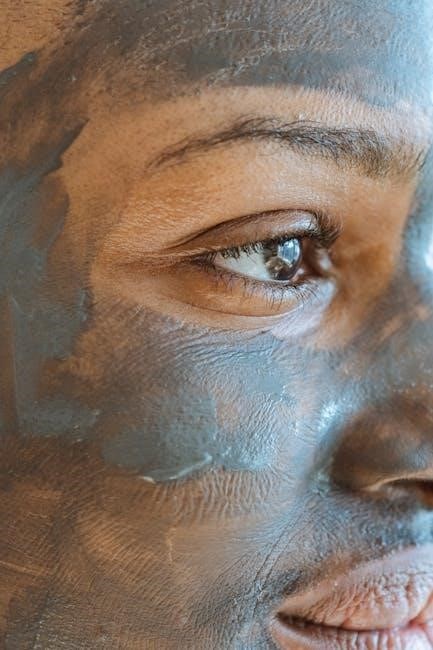
Timing is crucial for maximizing the benefits of your bubble clay mask. Generally, a duration of 15-20 minutes is recommended for optimal results. However, this can slightly vary based on your skin’s sensitivity and the specific mask formulation.
Pay close attention to how your skin feels. If you experience any excessive burning or discomfort, remove the mask immediately. For those with sensitive skin, starting with a shorter application time of 10-15 minutes is advisable.
Allow the bubbling process to fully complete before rinsing. The mask should have visibly dried and the bubbling activity will naturally subside. Leaving it on for too long can potentially lead to over-drying, especially for drier skin types.
Resist the temptation to extend the application time hoping for more dramatic results; following the recommended duration ensures a safe and effective treatment.
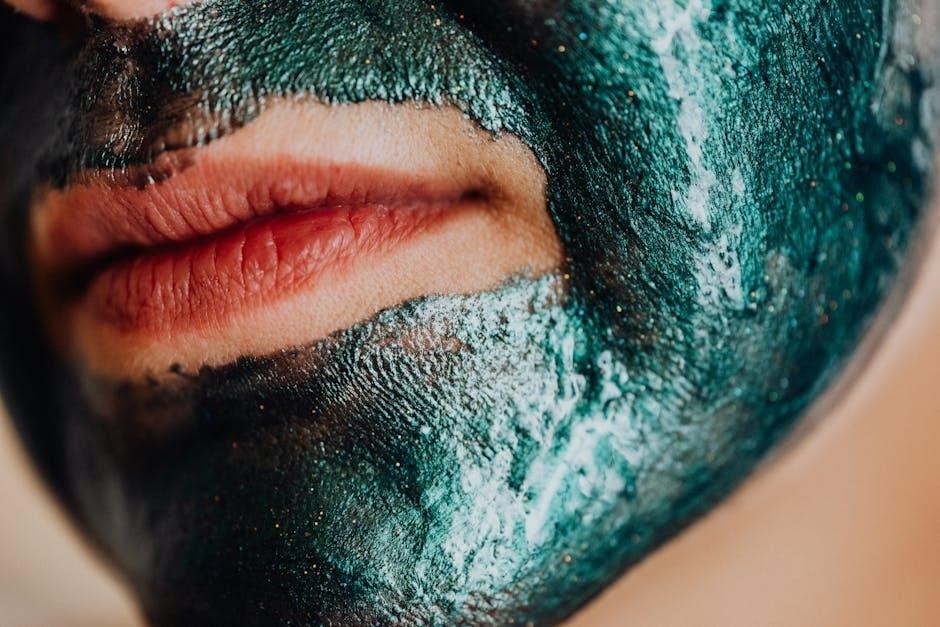
Post-Mask Skincare Routine
Complete your glow-up! Follow with a gentle toner to balance pH, a hydrating moisturizer to replenish, and always finish with broad-spectrum sun protection.
Rinsing Off the Mask Thoroughly
The Rinse is Key: Removing a bubble clay mask requires patience and a gentle approach. Unlike traditional clay masks, the bubbling action can leave residue within pores, so a superficial rinse won’t suffice. Begin with lukewarm water – hot water can be too harsh and strip your skin of its natural oils, while cold water might not effectively dissolve the clay and carbonation.
Gentle Circular Motions: Use your fingertips to gently massage your skin in circular motions as you rinse. This helps to dislodge any remaining clay particles and encourages further detoxification. Avoid scrubbing vigorously, as this can cause irritation, especially if you have sensitive skin. Focus on areas where the mask was applied thickly, ensuring no clay remains lodged in fine lines or around the nose.
Multiple Passes: Rinse for a full 60-90 seconds, repeating the process several times. Check your skin carefully, feeling for any gritty texture. A soft washcloth can be used for the final rinse, but again, be gentle. Ensure all traces of the mask are removed to prevent potential clogging or irritation. A clean complexion is the goal!
Toning & Moisturizing After Use
Restore Balance: Following a bubble clay mask, your skin’s pH level may be slightly disrupted. Immediately follow up with a gentle, alcohol-free toner to restore its natural balance. Look for toners containing soothing ingredients like rosewater, chamomile, or green tea to calm any potential redness or irritation. Apply the toner using a cotton pad, sweeping upwards and outwards across your face.
Hydration is Essential: Clay masks, while beneficial, can be drying. Therefore, moisturizing is a crucial step post-mask. Choose a moisturizer suited to your skin type – a lightweight lotion for oily skin, or a richer cream for dry skin. Ingredients like hyaluronic acid, ceramides, and natural oils (jojoba, argan) are excellent for replenishing moisture.
Lock in the Goodness: Apply the moisturizer while your skin is still slightly damp to help lock in hydration. Gently massage it into your skin using upward circular motions. This routine ensures your skin remains balanced, hydrated, and radiant after the deep cleanse provided by the bubble clay mask.
Sun Protection is Crucial
Shield Your Skin: Bubble clay masks offer a deep cleanse, removing dead skin cells and impurities. This exfoliation, while beneficial, can temporarily increase your skin’s sensitivity to the sun’s harmful UV rays. Therefore, diligent sun protection is absolutely essential in your post-mask skincare routine, even on cloudy days.
Broad Spectrum is Key: Apply a broad-spectrum sunscreen with an SPF of 30 or higher as the final step in your morning skincare routine. Broad-spectrum protection defends against both UVA and UVB rays, preventing sunburn, premature aging, and reducing the risk of skin cancer.
Reapplication is Vital: Remember to reapply sunscreen every two hours, or more frequently if you are swimming or sweating. Consider incorporating protective clothing, such as hats and sunglasses, for added defense. Prioritizing sun protection safeguards your newly cleansed and revitalized skin, maintaining its health and radiance.
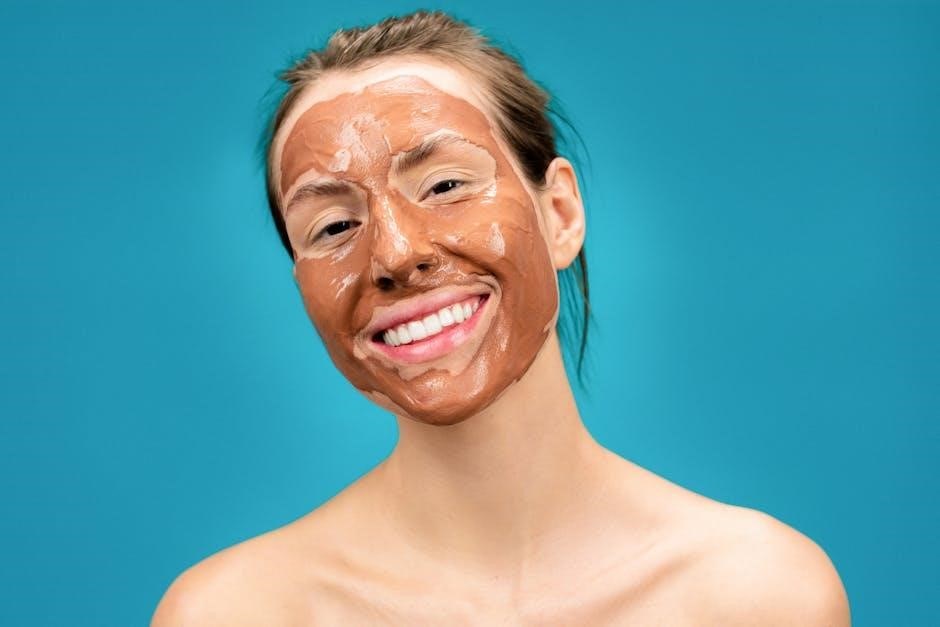
Potential Side Effects & Precautions
Be mindful! Patch test before use. Overuse can cause dryness or irritation. Discontinue if redness occurs. Certain skin conditions may require avoiding these masks.
Allergy Testing Before First Use
Prioritizing skin safety is paramount when introducing any new skincare product, and bubble clay masks are no exception. Before applying a bubble clay mask to your entire face, performing a patch test is a crucial step to identify potential allergic reactions or sensitivities. This simple precaution can prevent widespread irritation and discomfort.
To conduct a patch test, apply a small amount of the mask to a discreet area of skin, such as the inner forearm or behind the ear. Allow the mask to sit on the skin for the recommended duration, typically 10-15 minutes, as if you were applying it to your face. After rinsing thoroughly, observe the area for any adverse reactions over the next 24-48 hours.
Look for signs of allergy such as redness, itching, burning, swelling, or the development of a rash. If any of these symptoms occur, immediately discontinue use and wash the affected area with cool water. It’s always better to be safe than sorry, and a patch test can save you from a potentially unpleasant experience. Remember, everyone’s skin is different, and sensitivities can vary.
Frequency of Use: How Often is Too Often?
Determining the ideal frequency for using a bubble clay mask depends largely on your skin type and its individual needs. While the allure of a deep cleanse is strong, over-exfoliation can disrupt the skin’s natural barrier, leading to dryness, irritation, and increased sensitivity.
For normal to combination skin, incorporating a bubble clay mask into your routine once or twice a week is generally sufficient. However, if you have oily or acne-prone skin, you might benefit from using it up to three times a week, but always monitor your skin’s response.
Sensitive or dry skin types should exercise caution and start with once every two weeks, gradually increasing frequency if tolerated. Pay close attention to how your skin feels after each use. If you experience any tightness, redness, or flakiness, reduce the frequency or discontinue use altogether. Listen to your skin – it will tell you what it needs!
Who Should Avoid Bubble Clay Masks?
Bubble clay masks, while beneficial for many, aren’t suitable for everyone. Individuals with certain skin conditions or sensitivities should exercise caution or avoid them altogether. Those with severely compromised skin barriers, such as those experiencing eczema, rosacea flare-ups, or open wounds, should refrain from using these masks.
Highly sensitive skin prone to allergic reactions also requires careful consideration. The carbonation and certain ingredients can trigger irritation. Similarly, individuals undergoing certain dermatological treatments, like chemical peels or laser resurfacing, should consult a dermatologist before incorporating a bubble clay mask into their routine.
Pregnant or breastfeeding women should always consult their healthcare provider before using any new skincare product. Finally, if you experience persistent discomfort or adverse reactions, discontinue use immediately and seek professional advice. Prioritize skin health and safety!