Embarking on a photographic journey requires understanding camera types – compact‚ DSLR‚ mirrorless‚ action‚ cinema‚ and medium format – each offering unique capabilities for aspiring photographers․
What is a Camera and How Does it Work?
A camera‚ at its core‚ is a light-tight box designed to capture and record images․ The process begins when light enters the camera through the lens‚ which focuses that light onto a sensor (or film in traditional cameras)․ This focused light creates a representation of the scene in front of the camera․
Digital cameras utilize an electronic sensor composed of millions of tiny light-sensitive pixels․ These pixels convert light into electrical signals‚ which are then processed to create a digital image․ Film cameras‚ conversely‚ rely on a chemical reaction on a light-sensitive film to record the image․
Key components working in tandem include the aperture‚ controlling the amount of light entering‚ and the shutter speed‚ determining how long the sensor is exposed to light․ Understanding these elements is crucial for controlling the brightness and clarity of your photographs․ The interplay of these features allows photographers to creatively manipulate light and capture stunning visuals․
The History of Cameras: A Brief Overview
The camera’s evolution began long before digital technology․ The concept traces back to the camera obscura – a darkened room with a small hole projecting an inverted image of the outside world‚ observed centuries ago․ Early experiments in the 19th century led to the first photographic processes‚ like the daguerreotype‚ requiring long exposure times․
George Eastman revolutionized photography in 1888 with the Kodak camera‚ introducing flexible roll film and the slogan “You press the button‚ we do the rest․” This made photography accessible to the masses․ Throughout the 20th century‚ advancements in lenses‚ film speed‚ and camera mechanics continued‚ culminating in the development of the Single-Lens Reflex (SLR) camera․
The late 20th and early 21st centuries witnessed the digital revolution‚ with the first digital cameras appearing․ Today‚ cameras are integrated into smartphones‚ offering unprecedented convenience and image-sharing capabilities‚ continuing a legacy of innovation․
Types of Cameras
Diverse camera options exist‚ including compact point-and-shoots‚ versatile DSLRs‚ modern mirrorless systems‚ rugged action cameras‚ professional cinema cameras‚ and high-end medium format options․
Compact (Point-and-Shoot) Cameras
Compact cameras‚ often called point-and-shoot cameras‚ represent an excellent entry point into photography due to their simplicity and portability․ These cameras are designed for ease of use‚ automating many settings to allow photographers to focus on composition and capturing the moment․ They are typically smaller and lighter than other camera types‚ making them ideal for travel or everyday snapshots․
While they may not offer the same level of control or image quality as DSLRs or mirrorless cameras‚ modern compact cameras have significantly improved in recent years․ Many now feature advanced image stabilization‚ high zoom ranges‚ and even 4K video recording capabilities․ They are a fantastic choice for beginners who want a hassle-free photography experience without sacrificing too much in terms of image quality․ Their affordability also makes them an attractive option for those unsure about investing in a more expensive system․
However‚ it’s important to note that the smaller sensor size in most compact cameras can lead to increased noise in low-light conditions․ Furthermore‚ the limited manual controls may restrict creative exploration for more experienced photographers․
DSLR Cameras: A Deep Dive
Digital Single-Lens Reflex (DSLR) cameras are renowned for their exceptional image quality‚ versatility‚ and extensive control options․ Utilizing a mirror and prism system‚ DSLRs allow photographers to view the scene directly through the lens‚ ensuring accurate framing․ They boast larger sensors – often full-frame or crop sensor – which contribute to superior low-light performance and dynamic range․
DSLRs offer a vast ecosystem of interchangeable lenses‚ enabling photographers to tailor their setup to specific shooting scenarios․ From wide-angle lenses for landscapes to telephoto lenses for wildlife‚ the possibilities are endless․ The ability to shoot in full manual mode provides complete creative control over aperture‚ shutter speed‚ and ISO․
However‚ DSLRs can be larger and heavier than other camera types‚ and the complexity of their settings may present a steeper learning curve for beginners․ Despite this‚ their robust build quality and professional-grade features make them a popular choice among serious photographers․
Mirrorless Cameras: The Modern Alternative
Mirrorless cameras have rapidly gained popularity as a compelling alternative to traditional DSLRs․ As the name suggests‚ these cameras lack the internal mirror and prism system found in DSLRs‚ resulting in a more compact and lightweight design․ Instead of an optical viewfinder‚ mirrorless cameras utilize an electronic viewfinder (EVF) or rely solely on the rear LCD screen for composing shots․
Despite their smaller size‚ mirrorless cameras deliver comparable – and often superior – image quality to DSLRs‚ thanks to advancements in sensor technology․ They also offer a wide range of interchangeable lenses and advanced features like in-body image stabilization and fast autofocus systems․
The EVF provides a real-time preview of the final image‚ including exposure and white balance adjustments‚ which can be incredibly helpful for beginners․ Mirrorless cameras are often favored for video recording due to their advanced video capabilities and compact form factor․
Action Cameras: For the Adventurous
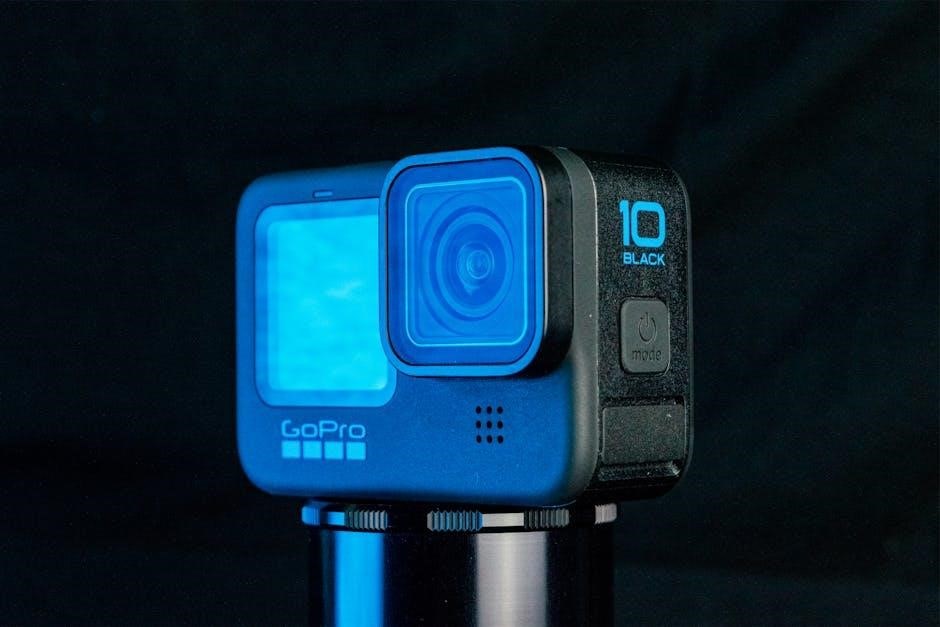
Action cameras‚ like GoPros‚ are specifically designed for capturing immersive footage during high-speed activities and in challenging environments․ These rugged‚ compact cameras are waterproof‚ shockproof‚ and often mountable to various surfaces – helmets‚ bikes‚ surfboards‚ and more – allowing you to document your adventures from unique perspectives․
While typically known for video‚ action cameras also capture still images․ They excel in wide-angle photography‚ perfect for showcasing expansive landscapes or capturing the energy of a fast-paced event․ Image quality has significantly improved in recent models‚ offering impressive resolution and dynamic range․
Action cameras are incredibly user-friendly‚ often featuring simplified controls and automatic shooting modes․ They’re ideal for beginners wanting to document their active lifestyles without the complexity of larger camera systems․ Their small size and durability make them a fantastic choice for travel and outdoor pursuits․
Cinema Cameras: Professional Filmmaking
Cinema cameras represent the pinnacle of image quality and control for professional filmmakers․ Unlike other camera types‚ these are built specifically for video production‚ prioritizing features like high bitrates‚ RAW recording‚ and advanced color science; They deliver exceptional dynamic range and detail‚ crucial for post-production grading and achieving a cinematic look․
These cameras often utilize larger sensors – Super 35mm or full-frame – contributing to shallower depth of field and improved low-light performance․ They feature professional audio inputs‚ timecode synchronization‚ and robust build quality designed for demanding on-set environments․

Cinema cameras are typically more complex to operate‚ requiring a deeper understanding of filmmaking principles․ They are often paired with external monitors‚ recorders‚ and accessories to create a complete production workflow․ While expensive‚ they offer unparalleled creative control and image quality for serious filmmakers․
Medium Format Cameras: High-End Photography
Medium format cameras occupy a unique space in the photography world‚ renowned for their exceptional image quality and detail․ They utilize larger sensors than full-frame cameras‚ resulting in significantly more resolution and dynamic range․ This translates to incredibly detailed images with smoother tonal gradations‚ ideal for large-format prints and demanding commercial work․
Historically‚ medium format cameras were exclusively film-based‚ but digital medium format options are now available‚ albeit at a substantial cost․ These cameras often feature a slower shooting pace and require more deliberate composition due to their meticulous nature․
They are favored by landscape‚ portrait‚ and fashion photographers who prioritize ultimate image quality over speed and convenience․ The larger sensor size also contributes to a unique aesthetic‚ often characterized by a distinctive “look” and shallow depth of field․
Key Camera Components
Essential components like lenses‚ sensors‚ aperture‚ shutter speed‚ and ISO work harmoniously to capture light and create images‚ influencing exposure and overall picture quality․
Camera Lenses: Choosing the Right One
Selecting the ideal camera lens is paramount for photographers eager to elevate their craft․ Lenses fundamentally dictate the field of view‚ magnification‚ and light-gathering ability of your camera system․ Different focal lengths cater to diverse photographic scenarios; wide-angle lenses excel at landscapes and architecture‚ capturing expansive scenes‚ while standard lenses offer versatility for everyday photography․
Telephoto lenses‚ conversely‚ compress distance and magnify distant subjects‚ making them ideal for wildlife or sports photography․ Prime lenses‚ possessing a fixed focal length‚ often deliver superior image quality and wider apertures‚ beneficial in low-light conditions․ Zoom lenses provide flexibility by offering a range of focal lengths within a single lens․
Consider factors like aperture (influencing depth of field and light intake)‚ image stabilization (reducing blur from camera shake)‚ and build quality when making your selection․ Investing in quality lenses significantly impacts your photographic results‚ offering sharper images and creative control․
Camera Sensors: Understanding Size and Technology
The camera sensor is the digital heart of your camera‚ capturing light and converting it into an image․ Sensor size significantly impacts image quality‚ dynamic range‚ and low-light performance․ Larger sensors‚ like those found in full-frame cameras‚ generally capture more light and detail‚ resulting in cleaner images with shallower depth of field․
Crop sensors‚ common in DSLR and mirrorless cameras‚ are smaller and offer a crop factor‚ effectively increasing the focal length of your lenses․ Sensor technology also plays a crucial role; advancements in pixel size and design contribute to improved sensitivity and reduced noise․
Understanding sensor resolution (measured in megapixels) is important‚ but it’s not the sole determinant of image quality․ A balance between sensor size‚ pixel count‚ and processing power yields the best results․ Modern sensors continue to push the boundaries of image fidelity․
Aperture and its Impact on Images
Aperture‚ measured in f-stops (e․g․‚ f/2․8‚ f/8‚ f/16)‚ controls the amount of light entering the camera lens and profoundly impacts your images․ A wider aperture (smaller f-number like f/2․8) lets in more light‚ creating a shallow depth of field – ideal for portraits with blurred backgrounds․ This isolates the subject beautifully․
Conversely‚ a narrower aperture (larger f-number like f/16) allows less light‚ resulting in a greater depth of field‚ keeping more of the scene in focus – perfect for landscapes․ Aperture also influences diffraction; extremely narrow apertures can soften images due to light bending․
Mastering aperture is crucial for controlling both exposure and creative effects․ Experimenting with different f-stops allows you to shape the look and feel of your photographs‚ emphasizing specific elements and creating visual interest․
Shutter Speed: Controlling Motion and Light
Shutter speed‚ expressed in seconds or fractions of a second (e․g․‚ 1/1000s‚ 1s‚ 30s)‚ determines how long the camera’s sensor is exposed to light․ Faster shutter speeds (like 1/1000s) freeze motion‚ capturing sharp images of fast-moving subjects – think sports or wildlife․ They also require more light․
Slower shutter speeds (like 1s or longer) allow more light in‚ useful in low-light situations‚ but can cause motion blur․ This blur can be creatively used to depict movement‚ like flowing water or light trails․ A tripod is essential for slow shutter speeds to avoid camera shake․
Understanding the relationship between shutter speed and light is fundamental to achieving proper exposure and capturing the desired effect‚ whether it’s freezing a moment or conveying a sense of motion․
ISO: Sensitivity and Noise
ISO measures your camera sensor’s sensitivity to light․ A lower ISO (like 100 or 200) means the sensor is less sensitive‚ requiring more light for a proper exposure‚ and resulting in cleaner images with less noise․ This is ideal for bright conditions․
Higher ISO settings (like 1600‚ 3200‚ or higher) increase the sensor’s sensitivity‚ allowing you to shoot in darker environments․ However‚ this comes at a cost: increased digital noise‚ which appears as graininess or speckling in the image․
Finding the right ISO balance is crucial․ Use the lowest possible ISO to maintain image quality‚ and only increase it when necessary to achieve a properly exposed photograph․ Modern cameras handle higher ISOs better‚ but noise is still a consideration․
Essential Camera Settings for Beginners
Mastering exposure‚ focus modes‚ white balance‚ and shooting modes—auto‚ program‚ aperture priority‚ shutter priority‚ and manual—are fundamental steps for any budding photographer․
Understanding Exposure: The Exposure Triangle
Exposure is the cornerstone of photography‚ dictating the brightness or darkness of an image․ It’s governed by the ‘exposure triangle’ – a delicate interplay between aperture‚ shutter speed‚ and ISO․ Aperture‚ measured in f-stops (like f/2․8‚ f/8‚ f/16)‚ controls the lens opening‚ influencing both light intake and depth of field․ A wider aperture (lower f-number) lets in more light and creates a shallow depth of field‚ blurring the background․ Conversely‚ a narrower aperture (higher f-number) allows less light and yields greater sharpness throughout the image․
Shutter speed‚ expressed in seconds or fractions of a second (e․g․‚ 1/1000s‚ 1s)‚ determines how long the camera’s sensor is exposed to light․ Faster shutter speeds freeze motion‚ while slower speeds allow for motion blur․ Finally‚ ISO measures the sensor’s sensitivity to light․ Lower ISO values (like 100) produce cleaner images but require more light‚ while higher ISO values (like 3200) are useful in low light but can introduce noise or grain․ Balancing these three elements is key to achieving a well-exposed photograph․
Focus Modes: Auto vs․ Manual
Achieving sharp images hinges on mastering focus․ Cameras offer both automatic and manual focus modes‚ each suited to different scenarios․ Auto focus (AF) utilizes the camera’s system to automatically detect and lock onto a subject․ Several AF modes exist‚ including single-point AF (ideal for stationary subjects)‚ continuous AF (tracking moving subjects)‚ and face/eye detection (prioritizing focus on faces)․ These are incredibly convenient for everyday shooting․
However‚ manual focus (MF) grants complete control over the focusing process․ This is invaluable in challenging situations where AF struggles – low light‚ low contrast‚ or shooting through obstructions․ MF requires precise adjustments using the focusing ring on the lens‚ often aided by features like focus peaking (highlighting in-focus areas) or magnification․ While demanding‚ mastering manual focus unlocks creative possibilities and ensures pinpoint accuracy when automatic systems fall short‚ offering a photographer ultimate control․
White Balance: Achieving Accurate Colors
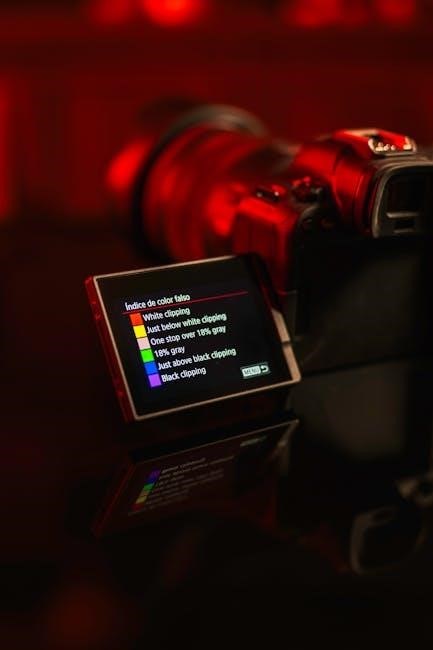
Color accuracy in photographs is significantly influenced by white balance․ Different light sources emit varying color temperatures – warm (yellowish) or cool (bluish)․ White balance corrects for these color casts‚ ensuring whites appear white and other colors are rendered accurately․ Auto White Balance (AWB) is a convenient starting point‚ but it isn’t always perfect‚ especially in mixed lighting․
Preset modes like Daylight‚ Cloudy‚ Fluorescent‚ and Tungsten offer tailored adjustments for common lighting conditions․ For precise control‚ custom white balance allows you to manually set the white point using a white or gray card․ Incorrect white balance can result in unnatural skin tones or distorted colors․ Mastering white balance is crucial for achieving visually pleasing and realistic images‚ enhancing the overall quality and impact of your photography‚ and ensuring consistent results․
Shooting Modes: Auto‚ Program‚ Aperture Priority‚ Shutter Priority‚ Manual
Cameras offer various shooting modes‚ each granting different levels of control․ Auto mode simplifies photography by automatically adjusting all settings․ Program (P) mode allows some control over ISO‚ white balance‚ and flash‚ while the camera manages aperture and shutter speed․ Aperture Priority (Av or A) lets you set the aperture‚ controlling depth of field‚ while the camera determines shutter speed․
Shutter Priority (Tv or S) allows you to set the shutter speed‚ freezing or blurring motion‚ with the camera adjusting the aperture․ Manual (M) mode provides complete control over both aperture and shutter speed‚ demanding a thorough understanding of the exposure triangle․ Experimenting with these modes is key to developing your photographic style and mastering camera settings‚ ultimately leading to more creative and intentional images․
Film Cameras: A Retro Revival
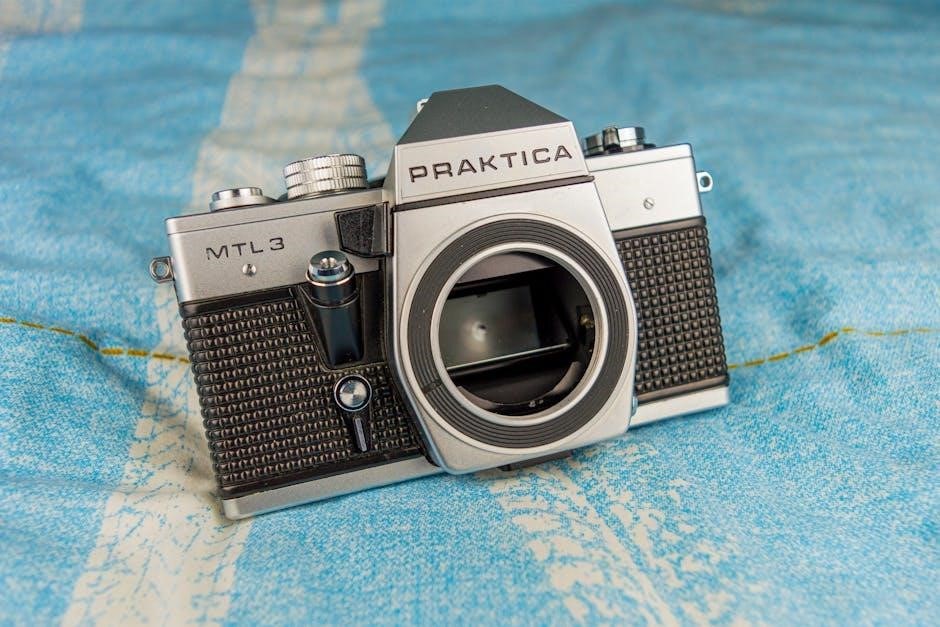
Film photography is experiencing a resurgence‚ with Single-Lens Reflex (SLR) cameras being the most common type‚ utilizing a mirror and prism system for viewing․
Single-Lens Reflex (SLR) Cameras
SLR cameras represent a cornerstone in the history of photography‚ and remain incredibly popular even in the digital age due to their versatility and direct viewing system․ The defining characteristic of an SLR is its use of a mirror and prism․ Light enters through the lens and bounces off a mirror‚ directing the image up to the viewfinder‚ allowing the photographer to see exactly what the lens sees․
When the shutter button is pressed‚ the mirror flips up‚ allowing light to reach the film (or digital sensor)․ This “reflex” action is where the name originates․ SLR cameras offer a wide range of interchangeable lenses‚ providing photographers with creative control over perspective‚ depth of field‚ and overall image quality․ They are known for their robust build quality and extensive manual controls‚ making them ideal for learning the fundamentals of photography․ While largely superseded by mirrorless technology‚ SLRs continue to offer a compelling and tactile shooting experience․
Film Types: Choosing the Right Film
Selecting the appropriate film is crucial for achieving desired aesthetic results in film photography․ Film isn’t one-size-fits-all; various types offer distinct characteristics impacting color rendition‚ contrast‚ grain‚ and sensitivity to light․ Black and white film provides classic monochrome images‚ with options ranging from fine-grained for detail to coarser for a more dramatic look․
Color negative film is versatile and forgiving‚ producing vibrant colors and allowing for extensive post-processing․ Slide film (transparency film) delivers high contrast and saturated colors‚ ideal for projection but requiring precise exposure․ ISO (film speed) determines sensitivity – lower ISOs (e․g․‚ 100) are best for bright conditions‚ while higher ISOs (e․g․‚ 400‚ 800) excel in low light․ Experimentation is key; different films react uniquely to various lighting situations and subjects‚ allowing photographers to develop their personal style․
Accessories for Your Camera
Essential accessories like tripods ensure stability‚ while camera bags provide protection and portability‚ enhancing your photographic experience and safeguarding your valuable equipment․
Tripods: Stability and Precision
Tripods are indispensable tools for photographers seeking sharp‚ blur-free images‚ especially in low-light conditions or when using slower shutter speeds․ They provide a stable base‚ eliminating camera shake that can ruin a perfectly composed shot․ Beyond stability‚ tripods enable precise framing and composition‚ allowing photographers to meticulously adjust their perspective․
Different types of tripods cater to various needs․ Lightweight travel tripods are ideal for portability‚ while robust studio tripods offer maximum stability for demanding setups․ Material choices‚ such as aluminum or carbon fiber‚ impact weight and durability․ Consider the tripod’s load capacity to ensure it can support your camera and lens combination․
Key features to look for include adjustable legs‚ a sturdy head (ball head‚ pan-tilt head‚ or gimbal head)‚ and a quick-release plate for easy camera attachment and detachment․ Investing in a quality tripod is a worthwhile investment that will significantly improve your photography․
Camera Bags: Protection and Portability
A reliable camera bag is crucial for safeguarding your valuable equipment during transport and storage․ It protects against bumps‚ scratches‚ dust‚ and even light rain‚ ensuring your camera and lenses remain in pristine condition․ Beyond protection‚ a good camera bag offers convenient portability‚ allowing you to carry your gear comfortably and efficiently․
Various bag styles cater to different needs․ Backpacks distribute weight evenly‚ making them ideal for longer journeys․ Shoulder bags provide quick access to your gear‚ while rolling bags are suitable for airport travel․ Consider the capacity of the bag and whether it has customizable dividers to accommodate your specific equipment․
Look for features like padded compartments‚ weather-resistant materials‚ and comfortable straps․ Some bags also include dedicated pockets for accessories like batteries‚ memory cards‚ and cleaning supplies․ Choosing the right camera bag enhances both the safety and convenience of your photographic pursuits․