Skateboard Width Guide: Finding the Perfect Fit (Updated February 15, 2026)
Navigating the world of skateboarding requires understanding crucial elements, and deck width is paramount for balance, control, and overall performance․ This guide simplifies selection!
Skateboard width refers to the distance from edge to edge of the deck, a fundamental aspect impacting rideability and trick execution․ Historically, skateboarding evolved from simple, homemade boards to highly engineered equipment, and width became a key factor in this progression․
Choosing the right width isn’t merely about preference; it directly influences stability, control, and the ability to perform specific maneuvers․ A wider deck offers increased stability, beneficial for beginners and those focused on transition skating, while a narrower deck provides quicker response and easier flipping for street skating․ Understanding this correlation is vital․
This guide will delve into the nuances of skateboard width, exploring how it relates to skating style, shoe size, age, and even deck concave, empowering you to make an informed decision and optimize your skateboarding experience․
Why Skateboard Width Matters
Skateboard width profoundly impacts several critical aspects of the skateboarding experience, extending beyond simple comfort․ It directly affects pop height, flip responsiveness, and overall board control, influencing trick success and rider confidence․
A correctly sized deck enhances stability, reducing the risk of wobbles and falls, particularly crucial for beginners․ Conversely, an improperly sized deck can hinder progress, making tricks more difficult and frustrating․ Width also influences foot placement, impacting leverage and the ability to execute complex maneuvers․
Furthermore, width plays a role in absorbing impact, contributing to a smoother ride and reducing strain on joints․ Selecting the appropriate width, therefore, isn’t just about style; it’s about optimizing performance, safety, and enjoyment․
Skateboard Width & Skateboarding Style
The ideal skateboard width is intrinsically linked to your preferred skateboarding style․ Different disciplines demand varying levels of board control, stability, and responsiveness, influencing the optimal deck size․
Street skaters often favor narrower decks (7․75″ ー 8․25″) for enhanced maneuverability and quicker flips, essential for navigating obstacles and performing technical tricks․ Park skaters generally prefer slightly wider boards (8․0″ ― 8․5″) offering a balance between control and agility for transitions and aerials․
Transition and ramp skating benefit from wider decks (8․25″ ― 9․0″+) providing increased stability at higher speeds and during larger airs․ Vert skating demands the widest decks (9․0″+) for maximum control and landing precision; Choosing a width aligned with your style maximizes performance․
Width for Beginners: 7․5″ ― 8․0″
For those embarking on their skateboarding journey, a width between 7․5″ and 8․0″ is generally recommended․ This range strikes a harmonious balance between stability and maneuverability, crucial for developing fundamental skills․
A slightly narrower deck (7․5″ ー 7․75″) is easier to flip and control for smaller skaters or those prioritizing technical tricks early on․ A wider deck (7․75″ ― 8․0″) offers enhanced stability, aiding in learning to balance and push comfortably․
This width provides a forgiving platform for mastering basic maneuvers like pushing, turning, and stopping․ It’s an excellent starting point before specializing in a specific skateboarding style, allowing for versatile progression․
Width for Street Skating: 7․75″ ー 8․25″
Street skating, characterized by technical tricks on urban obstacles, typically favors deck widths between 7․75″ and 8․25″․ This range provides a sweet spot for both flip tricks and ledge/rail maneuvers․
Skaters prioritizing quick, responsive board feel often lean towards the narrower end (7․75″ ー 8․0″), enhancing flip speed and precision․ Those seeking greater stability for grinds and larger obstacles may prefer a wider deck (8․0″ ― 8․25″)․
This width allows for comfortable foot placement during complex trick combinations and provides ample space for controlled landings․ It’s a versatile choice for street skaters of varying skill levels․
Width for Park Skating: 8․0″ ― 8․5″
Park skating, encompassing bowls, ramps, and transitions, generally benefits from deck widths ranging from 8․0″ to 8․5″․ This provides a balance between control and maneuverability crucial for navigating varied terrain․
The increased width offers enhanced stability during aerials, coping tricks, and fast-paced lines․ It allows for a more secure footing when pumping through transitions and executing grabs․ Skaters who frequently ride transition often prefer the 8․25″ ― 8․5″ range․
However, maintaining responsiveness is key, so excessively wide decks can hinder quick adjustments․ This width is ideal for skaters seeking a versatile park experience․
Width for Transition/Ramps: 8․25″ ー 9․0″+
Transition and ramp skating demand stability and control, making wider decks – 8․25″ to 9․0″ and beyond – highly advantageous․ These widths provide a larger platform for foot placement, crucial for absorbing impact during drops and maintaining balance on curved surfaces․
The extra width enhances confidence when attempting complex tricks and navigating the steep angles of ramps․ Larger skaters or those prioritizing stability will lean towards the 9․0″+ range․ It allows for more precise foot positioning during carves and airs․
However, remember that maneuverability can be slightly reduced with increased width, so consider your personal preference and skating style․
Width for Vert Skating: 9․0″+
Vert skating, characterized by high-air tricks on vertical ramps, unequivocally benefits from the largest deck widths – 9․0 inches and above․ This is non-negotiable for maximizing stability and control at significant heights;
The substantial platform provided by wider decks is essential for landing rotations and absorbing the immense impact forces generated during vert maneuvers․ A wider board offers a more forgiving landing surface, reducing the risk of losing control․
Experienced vert skaters almost exclusively choose widths in this range․ Larger foot sizes also naturally gravitate towards these wider options․ Prioritizing a stable base is paramount when pushing the boundaries of vert skating․
Skateboard Width & Shoe Size
The relationship between skateboard width and shoe size is a crucial consideration for optimal board feel and control․ While not a rigid rule, your shoe size significantly influences the ideal deck width for comfortable and effective skating․
Larger shoe sizes generally necessitate wider decks to prevent foot overhang, which can compromise stability and trick execution․ Conversely, smaller shoe sizes often pair well with narrower boards, offering enhanced maneuverability․
It’s about finding a balance – a width that allows for secure footing without feeling cumbersome․ Consider your skating style alongside your shoe size for the best possible fit․ This synergy enhances performance․
Correlation Between Foot Size and Deck Width
A clear correlation exists between foot size and the appropriate skateboard deck width, impacting stability and control․ Larger feet generally require wider decks to provide ample space and prevent uncomfortable overhang during maneuvers․
This prevents foot hang-ups, which can lead to falls and hinder trick attempts․ Smaller feet, conversely, often benefit from narrower decks, offering increased agility and easier foot placement for quick adjustments․
However, this isn’t a strict equation; skating style and personal preference play significant roles․ Understanding this relationship is a starting point, but experimentation is key to finding the perfect fit for your feet and skating needs․
General Guidelines: Shoe Size to Deck Width
While individual preference is crucial, these guidelines offer a solid starting point for matching shoe size to skateboard deck width․ For US men’s shoe sizes 6-8, a deck width of 7․5” to 7․75” is generally recommended․
Sizes 8-10 typically pair well with 7․75” to 8․25” decks, providing a balance of stability and maneuverability․ Skaters with sizes 10-12 often prefer 8․25” to 8․5” widths for enhanced control․
And for those with shoe sizes 12 and above, decks 8․5” or wider are usually the most comfortable and functional․ Remember these are suggestions; consider your skating style and desired feel!
Understanding Deck Concave & Its Impact on Width

Deck concave, the curvature across the width of the skateboard, significantly influences board feel and control, interacting with width selection․ A deeper concave provides a more locked-in feel, enhancing flip tricks and technical maneuvers, but can feel less stable․
Shallower concaves offer greater foot freedom and are often preferred for cruising or transition skating․ Wider decks generally accommodate deeper concave without feeling overly restrictive․
Conversely, narrower decks with extreme concave can be challenging for beginners․ Consider how concave complements your chosen width and skating style for optimal performance and comfort․
Concave Levels: Low, Medium, High
Skateboard concave is typically categorized into three levels: low, medium, and high, each offering a distinct riding experience․ Low concave provides a flatter surface, ideal for beginners and those prioritizing stability and relaxed cruising․ It allows for easier foot adjustments․
Medium concave strikes a balance, offering a comfortable blend of control and freedom, suitable for various skating styles․ It’s a versatile choice for street, park, and all-around riding․
High concave features a pronounced curve, delivering maximum board feel and responsiveness, favored by technical skaters performing flip tricks and grinds․ It requires more precise foot placement․
How Concave Affects Control & Foot Feel
Skateboard concave profoundly impacts control and how the board feels under your feet․ A deeper concave provides a more locked-in sensation, enhancing responsiveness for quicker turns and precise maneuvers․ This is beneficial for technical skating, offering greater leverage during flip tricks․
Conversely, a shallower concave offers a looser feel, allowing for more freedom of movement and easier weight shifting․ This is advantageous for cruising and carving, promoting a relaxed riding style․
The concave also influences foot pressure distribution, affecting how effectively you can control the board’s edges․ Finding the right concave level is crucial for maximizing comfort and performance․
Skateboard Width by Age & Height
Selecting the appropriate skateboard width isn’t solely about skating style; age and height play significant roles․ Younger skaters and those with smaller builds generally benefit from narrower decks, offering easier maneuverability and control․ A width between 7․5″ and 7․75″ is often ideal for children under 12․
As skaters grow in height and shoe size, a wider deck provides increased stability and foot space․ Teenagers and adults typically gravitate towards widths ranging from 8․0″ to 8․5″․ Taller skaters, exceeding 6 feet, may even prefer widths of 8․5″ or greater․
These are guidelines, and individual preference remains paramount․ Prioritize comfort and control when choosing a width․

Width Recommendations for Kids (Under 12)
For young skaters under 12, prioritizing ease of control and maneuverability is key․ Smaller feet and developing balance necessitate a narrower deck․ We recommend widths ranging from 7․0″ to 7․75″ as a starting point․
A 7․25″ to 7․5″ deck is often a sweet spot, offering a balance between stability and responsiveness․ These widths allow for quicker turns and easier learning of fundamental skills․ Consider their shoe size; smaller shoes pair well with narrower boards․
Avoid overly wide decks, as they can be difficult for young skaters to manage․ Focus on building confidence and technique with a manageable board size․
Width Recommendations for Teens & Adults
Teen and adult skateboarders have a broader range of suitable deck widths, largely dictated by shoe size and skating style․ Generally, widths between 7․75″ and 8․5″ cover most preferences․
For those with US shoe sizes 8-10, an 8․0″ to 8․25″ deck is a solid choice, providing a comfortable platform for various skating disciplines․ Larger shoe sizes (10+) often benefit from 8․25″ to 8․5″+ decks, offering increased stability․
Street and park skaters often lean towards the narrower end of this spectrum, while those interested in transition or vert skating may prefer wider boards for enhanced control and landing stability․ Experimentation is encouraged!
Popular Skateboard Brands & Their Width Offerings
Leading skateboard brands consistently offer a diverse range of widths to cater to all skaters․ Element Skateboards typically provides decks from 7․5″ to 8․5″, focusing on accessibility for various skill levels․
Baker Skateboards is known for slightly wider decks, generally ranging from 8․0″ to 8․6″, favored by street and transition riders․ Girl Skateboards offers a comprehensive selection, spanning 7․75″ to 8․5″+, appealing to a broad audience․
Anti Hero often features widths from 8․0″ to 8․75″, while Santa Cruz provides options from 7․75″ to 9․0″+․ Always check the specific model, as offerings can vary within each brand’s lineup․
Width Ranges Available from Leading Brands
The spectrum of skateboard deck widths offered by prominent brands is remarkably diverse, reflecting the varied needs of skaters․ Generally, most brands begin their range around 7․5 inches, catering to younger or smaller-footed riders․

The 7․75″ to 8․25″ range is incredibly common, representing a sweet spot for street and park skating․ Many brands extend their offerings up to 8․5″, suitable for transition and larger skaters․
For those preferring wider boards, several brands now routinely produce decks exceeding 8․5″, reaching 9․0″ and beyond, ideal for vert, pools, and riders desiring maximum stability․ These ranges are guidelines; specific models within each brand will have variations․
Comparing Widths Across Different Brands
While a stated width of 8․0 inches seems straightforward, subtle differences exist between brands․ These variations stem from manufacturing processes and design philosophies impacting the actual usable width and feel․
Some brands prioritize a flatter profile, making the stated width feel truer to size, while others incorporate more concave, subtly narrowing the effective standing platform․ Brand A’s 8․0” might feel closer to Brand B’s 7․875”․
It’s crucial to consider these nuances, especially when switching brands․ Reading reviews and, ideally, trying boards in person can reveal these subtle differences․ Don’t solely rely on the number; consider the overall shape and concave alongside the width․
Measuring Your Current Skateboard Width
Accurately measuring your existing skateboard’s width is a vital first step in finding a suitable replacement or understanding your current preference․ You’ll need a standard measuring tape or ruler – precision is key for an accurate reading․
Measure the deck at its widest point, typically between the truck mounting holes․ Avoid measuring over any raised sections or graphics, as these will distort the result․ Ensure the tape measure is straight and aligned with the deck’s edges․
Record the measurement in inches․ This provides a baseline for comparison when exploring new decks․ Repeat the measurement a couple of times to confirm consistency and minimize errors․

Tools Needed for Accurate Measurement
Obtaining a precise skateboard width measurement doesn’t require specialized equipment, but having the right tools ensures accuracy․ The most essential item is a standard measuring tape, preferably one with clear inch markings․ A flexible tape measure is ideal for conforming to the deck’s shape․
Alternatively, a rigid ruler or yardstick can be used, though it may be less convenient for curved decks․ A second pair of hands can be helpful to hold the tape measure steady, especially with larger boards․
A pencil and paper are useful for recording the measurement immediately, preventing accidental loss of the data․ Good lighting is also crucial for clear visibility of the markings and deck edges․

Where to Measure on the Deck
Accurate measurement hinges on selecting the correct points on the skateboard deck․ The width should be determined by measuring across the deck at its widest point, typically between the two outermost points of the deck’s nose and tail․ Avoid measuring at the trucks, as their mounting points can distort the reading․
Ensure the tape measure is held perfectly perpendicular to the deck’s length for a true width assessment․ Ignore any curves or contours when establishing the measurement points; focus on the broadest section․

Measuring consistently at this standardized location ensures comparable results when researching different boards or comparing with manufacturer specifications․
Common Mistakes When Choosing Skateboard Width
Many skaters stumble when selecting deck width, leading to suboptimal performance․ A frequent error is ignoring personal skateboarding style – a street skater needs a different width than a vert rider․ Overestimating or underestimating foot size is another pitfall; relying solely on shoe size isn’t enough․
Beginners often choose widths based on aesthetics rather than functionality, hindering their progress․ Failing to consider body weight and height can also result in an ill-fitting board․

Neglecting the impact of concave and not accounting for personal preference are common oversights․ Blindly following trends without self-assessment is a recipe for discomfort and reduced control․
Ignoring Skate Style Preferences
Selecting a skateboard width without considering your primary skating style is a critical error․ Street skating demands nimble boards, typically narrower – around 7․75″ to 8․25″ – for technical tricks and maneuverability․ Park skaters often prefer 8․0″ to 8․5″ for a balance of stability and responsiveness․
Transition and ramp skating benefit from wider decks (8․25″ to 9․0″+), providing increased stability at higher speeds and during aerial maneuvers․ Vert skating necessitates the widest boards (9․0″+) for maximum control and landing precision․

Choosing a width mismatched to your style hinders progression and can feel awkward․ Prioritize functionality over aesthetics; a board suited to your discipline enhances performance․
Overestimating or Underestimating Foot Size
Inaccurate foot size assessment leads to ill-fitting skateboard decks, impacting control and comfort․ Many skaters mistakenly rely on shoe size alone, neglecting foot width and shape․ A narrow foot doesn’t necessarily require the narrowest board, and vice versa․
Overestimating foot size results in a deck that feels bulky and difficult to maneuver, hindering quick foot adjustments․ Underestimating leads to cramped foot positioning, reducing stability and increasing fatigue․
Precise measurement is crucial: measure both length and width․ Consider wearing the socks you typically skate in during measurement․ Don’t solely rely on general guidelines; individual preference plays a significant role․
Finding Your Ideal Skateboard Width
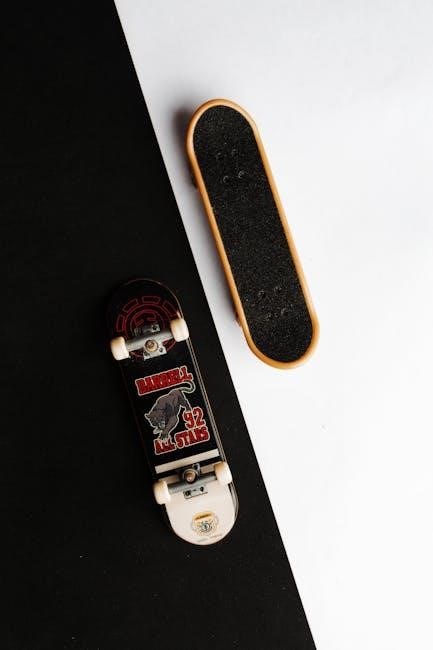
Selecting the perfect skateboard width is a personalized journey, blending style, foot size, and skating preferences․ There’s no universally “best” width; experimentation is key․
Beginners should start within the 7․5” ー 8;0” range, prioritizing stability and ease of learning․ Experienced skaters should refine their choice based on discipline – street, park, transition, or vert․
Remember to consider shoe size, concave, and brand variations․ Don’t hesitate to try different widths before committing․ A comfortable, responsive deck enhances performance and enjoyment․ Ultimately, the ideal width empowers you to confidently express your unique skateboarding style!