CSA B52 Mechanical Refrigeration Code: A Comprehensive Overview (as of 02/15/2026)
The CSA B52 code governs refrigeration systems, with the latest 2023 edition incorporating new refrigerant classifications and lessons learned from recent incidents.
Currently, British Columbia utilizes CSA B52:13, but proposes adopting CSA B52:23 for updated safety and design standards within the PEBPVRSR.
CSA B52HB-2020 serves as a practical handbook for implementing the code, detailing its evolution and relationship to jurisdictional regulations.

The CSA B52 Mechanical Refrigeration Code is a cornerstone standard in Canada, establishing comprehensive requirements for the design, fabrication, installation, operation, inspection, and maintenance of mechanical refrigeration systems. As of February 15, 2026, the code is currently transitioning towards full adoption of the CSA B52:23 edition. This latest iteration reflects a commitment to enhanced safety and incorporates crucial learnings from recent industry risks and incidents.
Technical Safety BC, the regulatory body in British Columbia, is actively proposing an update to the Power Engineers, Boiler, Pressure Vessel & Refrigeration Safety Regulation (PEBPVRSR) to align with CSA B52:23, moving away from the currently utilized CSA B52:13. This shift is driven by the need to address new refrigerant classifications and ensure the highest levels of safety for refrigeration systems across the province. The code’s scope encompasses a wide range of applications, from small commercial units to large industrial refrigeration plants.
Understanding and adhering to CSA B52 is paramount for all stakeholders involved in the refrigeration industry, including engineers, technicians, installers, and facility operators.
Historical Development of the CSA B52 Code
The CSA B52 code has undergone significant evolution since its inception, continually adapting to advancements in refrigeration technology, safety concerns, and environmental considerations. Early versions focused primarily on basic mechanical safety, gradually expanding to encompass refrigerant handling, system design, and operational procedures.
The CSA B52HB-2020 handbook provides a brief overview of this development process, highlighting key updates and interpretations that have shaped the code over time. Each edition reflects a response to industry needs and lessons learned from real-world applications. The transition from CSA B52:13 to CSA B52:18, and now to CSA B52:23, demonstrates a proactive approach to incorporating new knowledge and addressing emerging challenges.
Recent revisions, particularly in the 2023 edition, are heavily influenced by the industry’s move towards natural refrigerants and the associated safety implications. This historical progression underscores the code’s commitment to maintaining a robust and relevant framework for the refrigeration sector.
CSA B52:13 vs. CSA B52:18 – Key Differences
The shift from CSA B52:13 to CSA B52:18 represented a notable update to refrigeration safety standards. While both editions addressed core principles, B52:18 incorporated refinements based on industry feedback and evolving best practices. The CSA B52HB-2020 handbook reflects these changes, serving as a guide for implementation.
Key differences included clarifications on system design requirements, enhanced guidance on refrigerant management, and updated material specifications. B52:18 also placed greater emphasis on risk assessment and mitigation strategies. These revisions aimed to improve overall system reliability and minimize potential hazards.
Although not explicitly detailed in the provided text, it’s understood that B52:18 laid groundwork for the more substantial changes introduced in B52:23, particularly concerning new refrigerant classifications. The transition was crucial for preparing the industry for future advancements and addressing emerging safety concerns.
CSA B52:23 – The Latest Edition and Updates
CSA B52:23 represents the most current iteration of the Mechanical Refrigeration Code, building upon previous editions to address contemporary challenges in the industry. A significant update lies in the inclusion of new refrigerant classifications, reflecting advancements in refrigerant technology and environmental considerations.
This edition directly responds to lessons learned from recent risks and incidents within the refrigeration sector, aiming to enhance safety protocols and prevent future occurrences. The updates likely encompass revised design requirements, improved leak detection methodologies, and strengthened emergency shutdown procedures.
Technical Safety BC is proposing to adopt CSA B52:23, signaling a commitment to utilizing the latest safety standards in British Columbia. This transition will impact Power Engineers and those operating under the Boiler, Pressure Vessel & Refrigeration Safety Regulation, necessitating familiarization with the new code provisions.
Core Components of the CSA B52 Code
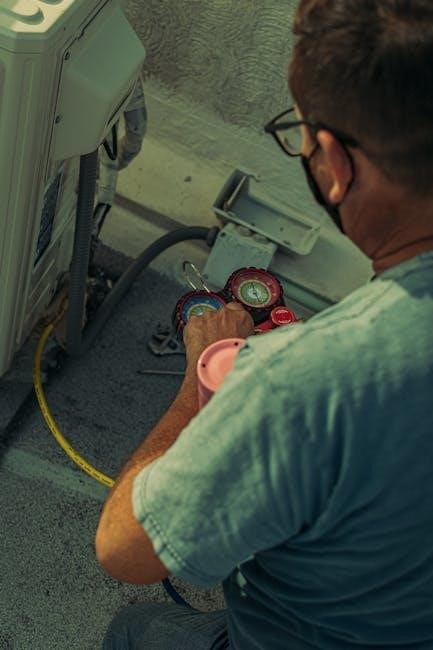
The CSA B52 Code details refrigerant safety, system design, material compatibility, and fabrication/installation standards. It ensures safe and reliable refrigeration practices.
These components work together to mitigate risks and promote best practices throughout the lifecycle of refrigeration systems.
Refrigerant Classification and Safety
The CSA B52 code places significant emphasis on refrigerant classification and safety protocols, a critical aspect of refrigeration system design and operation. The 2023 edition introduces new refrigerant classification types, reflecting advancements in refrigerant technology and a growing understanding of their properties.

This classification system is vital for determining appropriate safety measures, including ventilation requirements, leak detection systems, and emergency shutdown procedures. Understanding a refrigerant’s flammability, toxicity, and pressure characteristics is paramount.
The code addresses safety concerns related to the increasing adoption of natural refrigerants, like ammonia and carbon dioxide, acknowledging the unique hazards they present. Proper handling, storage, and system design are crucial to prevent incidents and ensure operator safety. The CSA B52 aims to provide a framework for safely utilizing both traditional and emerging refrigerant technologies.
Design Requirements for Refrigeration Systems
CSA B52 establishes comprehensive design requirements for refrigeration systems, covering aspects from component selection to system layout. Adherence to these standards is crucial for ensuring system reliability, efficiency, and, most importantly, safety. The code dictates specifications for pressure vessels, piping, and associated components, demanding compatibility with the chosen refrigerant.
Design registration, as overseen by Technical Safety BC, is a key component of compliance, requiring detailed system plans and calculations to demonstrate adherence to CSA B52.
The code addresses critical factors like heat transfer, compressor capacity, and control system integration. Updates in the latest edition (CSA B52:23) reflect learnings from recent risks and incidents, potentially influencing design parameters. Proper design minimizes the potential for failures and ensures safe operation throughout the system’s lifecycle.
Material Specifications and Compatibility
CSA B52 places significant emphasis on material specifications and compatibility within refrigeration systems. The code details acceptable materials for components exposed to refrigerants, considering factors like pressure, temperature, and potential corrosion. Selecting incompatible materials can lead to system failures, leaks, and safety hazards.
The updated CSA B52:23 edition introduces new refrigerant classifications, necessitating a review of material compatibility charts. This is particularly crucial with the increasing adoption of natural refrigerants, which may have different chemical properties than traditional options.
The handbook (CSA B52HB-2020) provides guidance on interpreting these specifications and ensuring that all materials used meet the required standards. Proper material selection is paramount for long-term system integrity and adherence to regulatory requirements.
Fabrication and Installation Standards
CSA B52 establishes rigorous fabrication and installation standards for refrigeration systems to ensure safety and operational reliability. These standards cover welding procedures, brazing techniques, piping requirements, and component mounting. Adherence to these guidelines minimizes the risk of leaks, mechanical failures, and potential hazards.
The code specifies qualified personnel must perform fabrication and installation work, possessing the necessary training and certifications. Proper documentation of these processes, including inspection reports and material certifications, is also mandated.
With the transition to newer refrigerants as outlined in CSA B52:23, installation practices may require updates to accommodate different system designs and safety considerations. CSA B52HB-2020 offers practical guidance for implementing these standards, bridging the gap between code requirements and real-world application.
Safety Regulations and Risk Management
CSA B52 prioritizes safety through regulations on pressure relief, electrical considerations, ventilation, leak detection, and emergency shutdown procedures for refrigeration systems.
Risk management is crucial, especially with new refrigerants and lessons learned from recent incidents impacting code development.
Pressure Relief Devices and Systems
CSA B52 places significant emphasis on the proper design, installation, and maintenance of pressure relief devices (PRDs) and systems within mechanical refrigeration installations. These systems are critical for safeguarding equipment and personnel against catastrophic failure due to overpressure scenarios.
The code details specific requirements for the sizing, type, and placement of PRDs, considering factors like refrigerant type, system capacity, and potential failure modes. It also addresses the need for regular inspection and testing of these devices to ensure their continued functionality.
Furthermore, CSA B52 outlines the necessary discharge piping arrangements for PRDs, ensuring safe and environmentally responsible release of refrigerant in the event of overpressure. Proper integration with overall system controls and emergency shutdown procedures is also a key component of compliance. Adherence to these standards is paramount for minimizing risk and ensuring operational safety.
Electrical Safety Considerations
CSA B52 dedicates substantial attention to electrical safety within refrigeration systems, recognizing the inherent hazards associated with electrical components and their interaction with refrigerants. The code mandates adherence to the Canadian Electrical Code (CEC) as a foundational element, supplemented by specific requirements tailored to refrigeration applications.
Key areas covered include proper grounding and bonding to prevent electrical shock, selection of appropriately rated electrical components for the operating environment (including temperature and humidity), and the implementation of suitable overcurrent protection devices.
Wiring methods must comply with CEC standards, and enclosures for electrical components must be designed to prevent the ingress of moisture or refrigerant. Furthermore, CSA B52 addresses the safe installation of electrical equipment in potentially hazardous locations, considering refrigerant flammability and explosion risks. Regular electrical inspections and maintenance are crucial for sustained safety.
Ventilation and Leak Detection
CSA B52 places significant emphasis on ventilation and leak detection, particularly crucial with the increasing use of refrigerants with varying toxicity and flammability profiles. Adequate ventilation is paramount in machine rooms to prevent the accumulation of refrigerant leaks, ensuring a safe working environment and mitigating potential health risks.
The code specifies minimum ventilation rates based on the refrigerant charge and room volume. Furthermore, CSA B52 mandates the installation of refrigerant leak detection systems in specific applications, especially those utilizing flammable or asphyxiant refrigerants.
These systems must be capable of detecting leaks at specified concentrations and initiating appropriate alarms and shutdown procedures. Regular testing and calibration of leak detection equipment are essential for reliable operation. Proper placement of sensors, considering refrigerant density and potential leak sources, is also critical for effective leak detection.
Emergency Shutdown Procedures

CSA B52 dedicates considerable attention to establishing robust emergency shutdown procedures for refrigeration systems. These procedures are vital for mitigating risks associated with refrigerant releases, equipment malfunctions, or fire events. The code outlines requirements for readily accessible shutdown stations, clearly labeled and strategically located for quick access during emergencies.
Shutdown procedures must encompass a complete system shutdown, including refrigerant isolation, power disconnection, and ventilation activation. Integration with leak detection systems is crucial; a detected leak should automatically trigger an alarm and, in some cases, initiate a partial or full shutdown.
Regular drills and comprehensive training for personnel are mandated to ensure familiarity with emergency procedures. Documentation of shutdown procedures, including system schematics and contact information, must be readily available. The 2023 edition likely incorporates learnings from recent incidents, potentially strengthening these requirements.

Practical Implementation and Handbooks
CSA B52HB-2020 is a practical guide for implementing CSA B52:18, detailing code evolution, updates, interpretations, and its connection to regulations.
This handbook assists both novice and experienced users in understanding and applying the mechanical refrigeration code effectively.
CSA B52HB-2020 Handbook – A Guide to Implementation
The CSA B52HB-2020 handbook is designed as a crucial resource for anyone involved in the practical application of the CSA B52 Mechanical Refrigeration Code. Specifically, it focuses on implementing CSA B52:18, offering detailed guidance on navigating the complexities of the standard.
This handbook doesn’t merely reiterate the code itself; it provides context, explaining the historical development of the CSA B52 code and the processes behind its updates and interpretations. This understanding is vital for ensuring compliance and safe system operation.
Furthermore, the handbook clarifies the relationship between the CSA B52 code and various jurisdictional regulations, acknowledging that local rules may supplement or modify the national standard. It serves as a bridge, helping users reconcile code requirements with real-world application scenarios. The handbook is a valuable tool for professionals seeking to ensure their refrigeration systems meet all necessary safety and performance criteria.
Using CSA B52HB for Novice and Experienced Users
The CSA B52HB-2020 handbook caters to a broad spectrum of users, from those new to the CSA B52 standard to seasoned professionals. For novices, the handbook provides a foundational understanding of mechanical refrigeration codes, explaining key terminology and concepts in an accessible manner.
It acts as a stepping stone, guiding beginners through the code’s requirements and offering practical examples to illustrate proper implementation. Experienced users, however, will find the handbook equally valuable as a quick reference guide and a source of clarification on complex issues.
The handbook’s detailed explanations of code updates and interpretations help seasoned professionals stay current with the latest changes. It’s a concise resource for troubleshooting, ensuring consistent application of the standard, and navigating jurisdictional nuances. Ultimately, the CSA B52HB-2020 aims to enhance competency and promote safety across all levels of experience.
Understanding Code Interpretations and Jurisdictional Regulations
Navigating the CSA B52 code requires more than just reading the standard; understanding its interpretations and how it interacts with local regulations is crucial. Jurisdictional regulations can vary significantly, adding layers of complexity to code compliance.
The CSA B52HB-2020 briefly describes the code development process, updates, and interpretations, highlighting the relationship between the code and these regulations. Technical Safety BC, for example, adopts CSA B52 within the framework of the Power Engineers, Boiler, Pressure Vessel & Refrigeration Safety Regulation.
Staying informed about official interpretations issued by CSA and any supplementary guidance from provincial or territorial authorities is essential. This ensures that refrigeration systems are designed, installed, and operated safely and in full compliance with all applicable legal requirements. Ignoring these nuances can lead to costly rework or, more seriously, safety hazards.

Regulatory Compliance and Technical Safety BC
Technical Safety BC adopts CSA B52 within the Power Engineers, Boiler, Pressure Vessel & Refrigeration Safety Regulation, ensuring safe refrigeration system design and operation.
Design registration of refrigeration plants and systems is mandated under the Safety Standards Act through TSBC guidelines.
Technical Safety BC Adoption of CSA B52
Technical Safety BC (TSBC) is actively proposing an update to the Power Engineers, Boiler, Pressure Vessel & Refrigeration Safety Regulation (PEBPVRSR) to incorporate the latest CSA B52:23 Mechanical Refrigeration Code. Currently, the province of British Columbia operates under the CSA B52:13 edition.
This proposed adoption reflects a commitment to enhanced safety standards and incorporates crucial learnings from recent risks and incidents within the refrigeration industry. The CSA B52:23 edition introduces new refrigerant classifications, necessitating an update to provincial regulations.
TSBC’s engagement with stakeholders through consultation is a key part of this process, ensuring a smooth transition and comprehensive understanding of the updated requirements. This change aims to align BC’s safety framework with current best practices and advancements in refrigeration technology, ultimately protecting public safety and the environment.
Power Engineers, Boiler, Pressure Vessel & Refrigeration Safety Regulation
The Power Engineers, Boiler, Pressure Vessel & Refrigeration Safety Regulation (PEBPVRSR) in British Columbia is the governing framework for the safe operation and maintenance of related equipment. A key aspect of this regulation is its alignment with Canadian Standards Association (CSA) codes, specifically CSA B52 for mechanical refrigeration.
Currently referencing CSA B52:13, TSBC proposes updating the PEBPVRSR to adopt the newest CSA B52:23 edition. This update is driven by the inclusion of new refrigerant classifications and vital safety improvements derived from analyzing recent industry incidents.
The regulation outlines requirements for design registration, inspections, and qualifications of personnel working with refrigeration systems. Adherence to CSA B52, as incorporated within the PEBPVRSR, is crucial for ensuring compliance and maintaining a high level of safety for both operators and the public.
Design Registration of Refrigeration Plants and Systems
Technical Safety BC (TSBC) mandates the design registration of refrigeration plants and systems to ensure adherence to stringent safety standards. This process, governed by the Safety Standards Act and the Power Engineers, Boiler, Pressure Vessel & Refrigeration Safety Regulation, requires detailed documentation and review before installation and operation;
Compliance with CSA B52 – currently transitioning from the B52:13 to the updated B52:23 edition – is fundamental to successful design registration. The submitted designs must demonstrate alignment with the code’s requirements for refrigerant classification, system design, materials, and safety features;

TSBC’s Information Bulletin clarifies the registration process, emphasizing the need for qualified personnel and thorough documentation. This proactive approach minimizes risks associated with refrigeration systems and safeguards public safety, reflecting a commitment to robust regulatory oversight.

Future Trends and Considerations
The industry is shifting towards natural refrigerants, necessitating addressed safety concerns within CSA B52. Code development actively responds to emerging risks and recent incidents.
Updates will focus on safe implementation of these new refrigerants and mitigating potential hazards.
The Shift Towards Natural Refrigerants
The global movement towards environmentally sustainable practices is driving a significant shift in the refrigeration industry, favoring natural refrigerants over traditional synthetic options. This transition, fueled by concerns regarding ozone depletion and global warming potential, presents both opportunities and challenges addressed within the evolving CSA B52 code.
Natural refrigerants – including ammonia, carbon dioxide, and hydrocarbons – offer lower environmental impact but often necessitate revised safety protocols due to flammability, toxicity, or operating pressures. The CSA B52:23 edition specifically incorporates provisions to manage these risks, reflecting a proactive approach to ensuring safe implementation. This includes updated classifications and design requirements tailored to the unique properties of each natural refrigerant.
The code’s ongoing development acknowledges societal advocacy for these refrigerants, prioritizing the establishment of robust safety standards to facilitate their widespread adoption while protecting personnel and the environment. This shift demands continuous learning and adaptation within the industry.
Addressing Safety Issues with New Refrigerants
The introduction of new and alternative refrigerants, particularly natural refrigerants, necessitates a heightened focus on safety within refrigeration systems. While offering environmental benefits, substances like ammonia, carbon dioxide, and hydrocarbons present unique hazards demanding careful consideration and mitigation strategies, as reflected in the CSA B52 code.
Key safety concerns include flammability (hydrocarbons), toxicity (ammonia), and higher operating pressures (carbon dioxide). The CSA B52:23 edition directly addresses these issues through revised design requirements, enhanced leak detection protocols, and updated pressure relief device specifications. These changes aim to minimize the risk of incidents and ensure operator safety.
Furthermore, the code emphasizes the importance of proper training and qualification for personnel handling these refrigerants. Continuous updates and interpretations, detailed in resources like CSA B52HB-2020, are crucial for staying abreast of evolving safety standards and best practices within the refrigeration industry.
Impact of Recent Risks and Incidents on Code Development
Recent risks and incidents within the refrigeration industry have significantly influenced the development of the CSA B52:23 edition. Analysis of past events revealed gaps in existing safety protocols and highlighted the need for more robust standards, particularly concerning refrigerant handling and system design.
These learnings directly informed updates to refrigerant classifications, ensuring a more accurate assessment of hazard levels. The code now incorporates stricter requirements for leak detection, ventilation, and emergency shutdown procedures, aiming to prevent escalation of incidents. Furthermore, enhanced guidance on material compatibility and fabrication standards addresses potential failure points identified in previous investigations.
The CSA B52HB-2020 handbook reflects these changes, providing practical guidance for implementing the updated code. This iterative process of risk assessment, incident investigation, and code revision demonstrates a commitment to continuous improvement and enhanced safety within the mechanical refrigeration sector.