Table Lamp Shade Size Guide: A Comprehensive Overview (Updated 02/15/2026)
Navigating lamp shade selection involves aesthetics and functionality; considering scale, proportion, and room use is crucial for achieving balanced, well-lit spaces.
Understanding Lamp Shade Basics
Lamp shades aren’t merely decorative; they fundamentally alter how light is distributed within a room. Beyond aesthetics, understanding their core function is paramount. A shade diffuses light, reducing glare and creating a softer, more inviting ambiance. The interplay between the shade’s material, shape, and size dictates the quality and direction of illumination.
Selecting the right shade involves considering both the lamp itself and the intended use of the light. Mixing and matching lamps and shades offers versatility, but requires careful attention to proportion and overall design harmony. Ignoring these basics can result in a poorly lit or visually unbalanced space.
The Importance of Shade Size & Proportion
Achieving visual balance hinges on selecting a lamp shade that’s appropriately sized and proportioned to the lamp base and the surrounding space. Scale truly matters; an oversized shade can overwhelm a delicate lamp and dominate a room, while a too-small shade may appear insignificant and offer insufficient light.
Consider the lamp’s height, the base diameter, and the room’s overall dimensions. A harmonious relationship between these elements creates a cohesive and aesthetically pleasing look. Prioritizing proportion ensures both functionality and style, enhancing the room’s ambiance.
Standard Lamp Shade Shapes
Lamp shades come in a variety of shapes, each influencing the light distribution and overall aesthetic. The most common include bell, drum, and empire shapes, alongside square and rectangular options. Bell shades offer a classic, gently flared silhouette, while drum shades provide a more contemporary, uniform glow.
Empire shades, with their tapered form, add a touch of formality. Square and rectangular shades are ideal for modern spaces, offering a structured look. Selecting the right shape complements both the lamp base and the room’s style.
Bell Shaped Shades
Bell shaped lamp shades are characterized by their gently curving, flared silhouette, resembling a bell. This classic shape is incredibly versatile, suiting traditional and transitional décor styles. They diffuse light broadly and evenly, creating a warm and inviting ambiance.
Bell shades work well with various lamp base materials and sizes, offering a balanced proportion. Their wider bottom opening allows for ample light spread, making them ideal for reading or general illumination. They are a timeless choice for any room.
Drum Shaped Shades
Drum shades, cylindrical in form, offer a contemporary and streamlined aesthetic for table lamps. These shades feature straight sides and typically a slightly smaller diameter at the top than the bottom, creating a clean, modern look. They work exceptionally well in spaces with minimalist or modern design schemes.
Drum shades direct light downwards more efficiently than flared shapes, making them suitable for task lighting. They pair beautifully with sleek lamp bases and can be found in a wide array of colors and materials.
Empire Shaped Shades
Empire shades, characterized by their distinct flared shape – wider at the bottom than the top – evoke a classic and traditional aesthetic. This design lends itself well to formal living rooms, bedrooms, or spaces aiming for an elegant ambiance. The flared shape diffuses light broadly, creating a softer, more ambient glow.
These shades often complement lamps with ornate bases and are frequently seen with pleated fabrics. Empire shades are a versatile choice, working with various décor styles when seeking a touch of sophistication.
Square & Rectangular Shades
Square and rectangular lamp shades offer a modern and contemporary aesthetic, diverging from traditional rounded forms. These geometric shapes are particularly well-suited for lamps used in offices, studies, or minimalist living spaces, providing a structured and defined look. They often complement lamps with clean lines and angular bases.
Selecting the correct dimensions is vital; the shade’s width should generally align with the lamp base’s width. These shades direct light more focusedly than rounded options, making them ideal for task lighting.
Measuring Your Existing Lamp
Accurate measurements are fundamental to finding a perfectly fitting lamp shade. Begin by measuring the lamp’s height from the base to the socket; this dictates the appropriate shade height, ensuring proper bulb coverage and preventing glare. Next, determine the diameter of the lamp base at its widest point – this informs the shade’s width.
Finally, carefully note the existing shade’s dimensions (height, top diameter, bottom diameter) as a reference point. These three measurements form the foundation for calculating ideal replacements.
Measuring Lamp Height
Determining your lamp’s height is the initial step in selecting a proportional shade. Use a measuring tape to accurately measure from the base of the lamp – where it sits on the surface – to the top of the light bulb socket. This measurement doesn’t include the bulb itself, only the lamp structure.
Record this height; it’s crucial for calculating the ideal shade height, ensuring a visually balanced and functional lighting solution. Consider the lamp’s purpose and style when interpreting this measurement.
Measuring Lamp Base Diameter
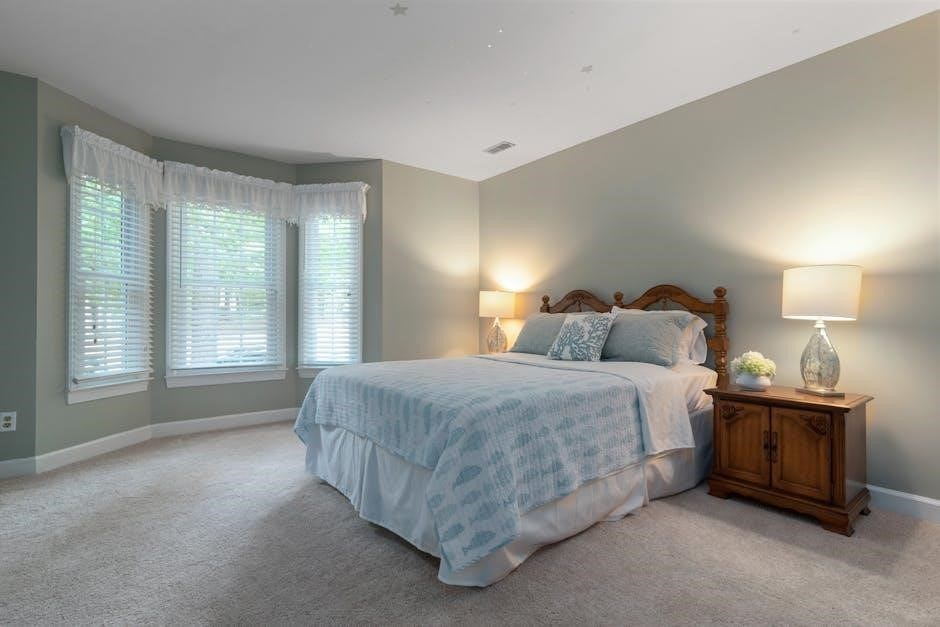
Accurately measuring your lamp’s base diameter is essential for shade proportion. Utilize a measuring tape to determine the widest point of the lamp base, excluding any protruding elements like arms or decorative features. Measure across the base, ensuring the tape is level for an accurate reading.
This diameter serves as a foundational element when calculating the appropriate shade width. Record this measurement carefully, as it directly impacts the overall aesthetic balance of the lamp and its surroundings.
Determining Current Shade Dimensions
If replacing an existing shade, meticulously measure its dimensions. Begin by measuring the shade’s diameter at its widest point – typically the bottom opening. Then, measure the shade’s height from the mounting ring (or harp) to the bottom edge.
Note the shape; is it a simple cylinder, or does it taper? Record these measurements precisely. Comparing these dimensions to ideal calculations will help ensure a harmonious fit and avoid common sizing errors.
Calculating the Ideal Shade Diameter
Determining the perfect shade diameter requires a balanced approach, considering both lamp base size and desired aesthetic. A fundamental guideline is the 2:1 rule – the shade width should ideally be twice the lamp base’s diameter. However, this is a starting point.
Adjustments are needed based on lamp height and chosen shade shape. Taller lamps can accommodate wider shades, while shorter lamps benefit from proportionally smaller ones. Careful calculation ensures visual harmony.
The 2:1 Rule for Shade Width
The 2:1 rule serves as a foundational principle in lamp shade sizing, advocating that the shade’s width should be approximately twice the diameter of the lamp base. This creates visual balance and prevents the shade from appearing disproportionately small or large.
However, it’s a guideline, not a rigid law. Factors like lamp height, shade shape, and desired aesthetic influence optimal sizing. It’s a helpful starting point for achieving harmonious proportions in your lighting scheme.
Considering Lamp Height and Shade Diameter
Lamp height significantly impacts ideal shade diameter; taller lamps generally accommodate wider shades, maintaining visual balance. A shorter lamp paired with a large shade can appear top-heavy, while a tall lamp with a small shade feels incomplete.
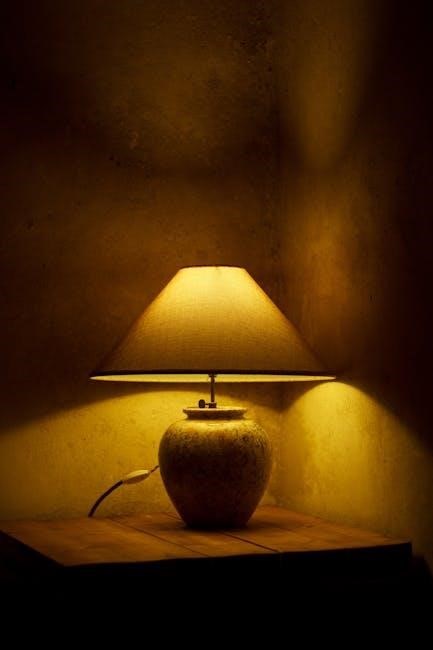
Consider the overall height of the lamp with the shade. Ensure sufficient space between the bulb and the shade top to prevent heat buildup and glare. Proportionality is key – a harmonious relationship between height and diameter is essential.
Impact of Shade Shape on Diameter Calculation
Shade shape influences how diameter affects the overall look; bell and empire shades often require slightly larger diameters than drum or square shades for equivalent coverage. This is because of their flared designs, which distribute light differently.
A wider diameter on a bell shade emphasizes its curves, while a narrower diameter on a drum shade maintains a cleaner, more modern aesthetic. Always visualize the shape when applying diameter rules, adjusting as needed for desired effect.
Shade Height Considerations
Shade height significantly impacts bulb exposure and light distribution, directly affecting glare and the overall ambiance of a room. Taller shades generally diffuse light more evenly, reducing harshness, while shorter shades concentrate light downwards.
Proper height prevents direct bulb view, minimizing eye strain. Different lamp styles—traditional versus modern—benefit from varying heights; consider the lamp’s design when selecting a shade to complement its form and function, ensuring optimal illumination.
Relationship Between Shade Height and Bulb Exposure
A direct correlation exists between shade height and the amount of visible bulb light; taller shades conceal more of the bulb, creating softer illumination. Conversely, shorter shades expose more bulb, resulting in brighter, potentially harsher light.
Optimal shade height minimizes glare and eye strain by preventing direct bulb view. The ideal height depends on the bulb wattage and type, aiming for diffused, comfortable lighting. Careful consideration ensures a balanced and visually appealing result.
Avoiding Glare with Proper Shade Height
Glare reduction is paramount for comfortable lighting, and proper shade height plays a critical role in achieving this. A shade that’s too short allows direct bulb visibility, causing unpleasant glare and eye strain. Conversely, excessively tall shades might diminish overall brightness.
Positioning the shade to fully conceal the bulb, while still allowing ample light diffusion, is key. Experimentation with different heights helps determine the sweet spot for minimizing glare and maximizing comfortable illumination within your space.
Shade Height for Different Lamp Styles
Varying lamp styles necessitate adjusted shade height considerations for optimal aesthetics and functionality. Traditional lamps often benefit from taller shades, enhancing their elegant profile and providing broader light distribution. Modern, minimalist lamps frequently pair well with shorter, drum-shaped shades, maintaining a sleek appearance.
Task lamps require shades that direct light downwards, often achieved with lower profiles. Ultimately, the ideal height complements the lamp’s design, ensuring balanced proportions and comfortable illumination for its intended purpose.
Shade Material and its Influence on Size Perception
The material of a lamp shade significantly impacts how its size is perceived within a space. Lightweight fabrics like linen and silk can visually expand a shade, making it appear larger than its actual dimensions, and are suitable for broader illumination. Conversely, heavier materials such as burlap or velvet tend to make shades feel more substantial and compact.
Opacity also plays a role; translucent materials diffuse light, softening edges, while opaque shades create defined shapes, influencing the overall visual weight and perceived size.
Lightweight Fabrics (Linen, Silk) & Larger Shades
Linen and silk, due to their airy nature, pair exceptionally well with larger lamp shade dimensions. These fabrics don’t visually weigh down the lamp, allowing a broader shade to feel proportionate and elegant. Their delicate texture diffuses light beautifully, creating a soft, ambient glow without harshness.
Larger shades in these materials are ideal for expansive rooms or when a wider spread of illumination is desired, enhancing the overall aesthetic without overwhelming the space.
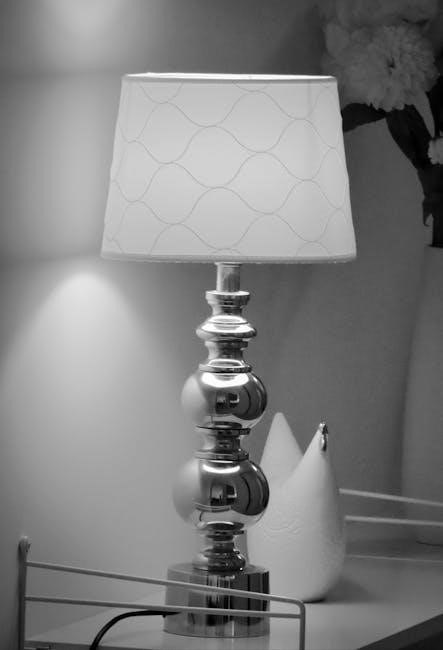
Heavier Fabrics (Burlap, Velvet) & Smaller Shades
Burlap and velvet, possessing substantial weight and texture, are best complemented by smaller lamp shade sizes. A larger shade crafted from these materials can appear bulky and disproportionate, potentially overshadowing the lamp’s base and the surrounding décor. Their inherent density also restricts light diffusion, making a smaller scale more effective.
Opting for smaller shades ensures a balanced look, allowing the fabric’s richness to shine without creating a visually heavy presence within the room’s design.
Opacity and Shade Size – A Balancing Act
The interplay between a lamp shade’s opacity and its size is critical for achieving desired lighting effects. More opaque shades, blocking significant light, can necessitate a larger diameter to maintain adequate brightness. Conversely, translucent shades, allowing ample light transmission, function effectively even with smaller dimensions.
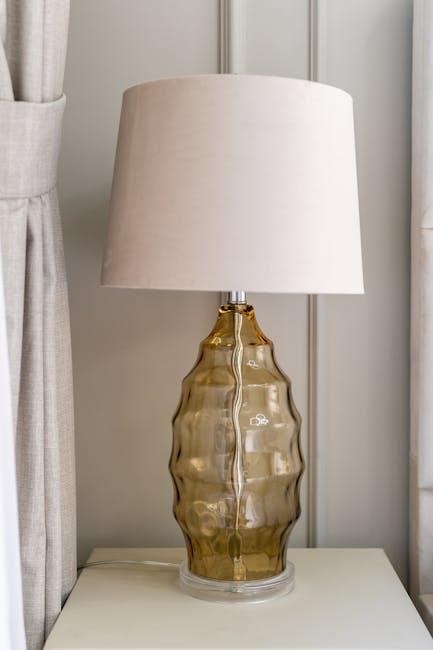
Carefully consider the room’s ambient light and intended use when balancing opacity and size; a darker, larger shade creates focused pools of light, while a lighter, smaller shade offers broader illumination.
Shade Fit: Harp & Spider Fitters
Ensuring a secure and stable shade fit is paramount, and this hinges on understanding the two primary fitter types: harp and spider. Harp fitters utilize a metal frame (the harp) supporting the shade via a finial, offering versatility and easy shade removal. Spider fitters, conversely, feature three prongs that attach directly to a socket, providing a streamlined, often more permanent, connection.
Selecting the correct fitter depends on your lamp’s design and your preference for shade interchangeability.
Understanding Harp Fitters
Harp fitters are a common and adaptable choice for table lamps, consisting of a metal frame – the harp – that screws into the lamp’s socket. This frame then supports the lamp shade, secured at the top with a finial. The advantage lies in the ease of swapping shades; simply unscrew the finial and lift the shade off.
Harp fitters accommodate a range of shade shapes and sizes, making them a versatile option for various lamp styles and décor preferences. They offer a classic and readily available solution.
Understanding Spider Fitters
Spider fitters, also known as uno fitters, feature three prongs that attach directly to a threaded lamp socket, creating a stable base for the shade. Unlike harp fitters, they don’t require a separate harp and finial, offering a cleaner, more streamlined look.
These fitters are often found on lamps with a more contemporary aesthetic. Shade selection is somewhat limited with spider fitters, as the shade must have a corresponding center opening to fit securely over the prongs.
Choosing the Correct Fitter for Your Lamp
Determining the correct fitter – harp or spider – depends on your lamp’s design and your desired aesthetic. If your lamp has a threaded rod extending from the socket, a harp fitter is likely needed. This allows for adjustable shade height and greater shade selection.
For lamps with prongs directly attached to the socket, a spider fitter is the appropriate choice, offering a simpler, more integrated appearance. Consider the lamp’s style; contemporary lamps often utilize spider fitters.
Shade Color and Light Diffusion
Shade color dramatically impacts light diffusion and room ambiance. Darker shades absorb more light, creating a focused, intimate glow – ideal for bedrooms or cozy reading nooks. Lighter shades maximize brightness, making spaces feel more open and airy, suitable for living areas.
Translucent shades allow light to filter through, producing a softer, diffused illumination, while opaque shades block direct light, minimizing glare and offering focused task lighting. Consider how color complements your décor.
Light vs. Dark Shade Colors
The choice between light and dark lamp shades significantly alters a room’s atmosphere. Dark shades absorb light, creating a more intimate and subdued ambiance, perfect for relaxation or evening moods. They focus light downwards, ideal for reading or highlighting specific areas.
Conversely, light shades maximize brightness, reflecting light and making a space feel larger and more welcoming. They distribute light more evenly, offering broader illumination. Consider the existing color palette and desired mood when selecting a shade color.
Translucent vs. Opaque Shades
The level of light transmission—translucency versus opacity—drastically impacts a lamp’s functionality and aesthetic contribution. Translucent shades allow some light to filter through, creating a softer, diffused glow and adding visual interest even when the lamp is off. They’re excellent for ambient lighting and showcasing decorative bulbs.
Opaque shades block nearly all light, directing it downwards for focused illumination. This is ideal for tasks requiring bright, concentrated light, like reading or detailed work. The choice depends on the desired light quality and room purpose.
Impact of Color on Room Ambiance
Lamp shade color profoundly influences a room’s atmosphere and perceived brightness. Light-colored shades (white, cream) maximize light diffusion, creating a brighter, airier feel, perfect for smaller spaces or areas needing uplift. Darker shades (navy, black) absorb light, producing a more intimate, cozy ambiance, ideal for bedrooms or living rooms.
Consider how the shade color complements existing décor. Bold colors can act as statement pieces, while neutral tones offer versatility. Color impacts the overall mood and visual harmony.
Shade Size for Different Room Types
Optimal lamp shade sizes vary based on room function and desired ambiance. Bedrooms generally benefit from softer lighting; shades around 16-20 inches in diameter create a relaxing atmosphere. Living rooms, often used for socializing, can accommodate larger shades – 20-24 inches – for broader illumination.
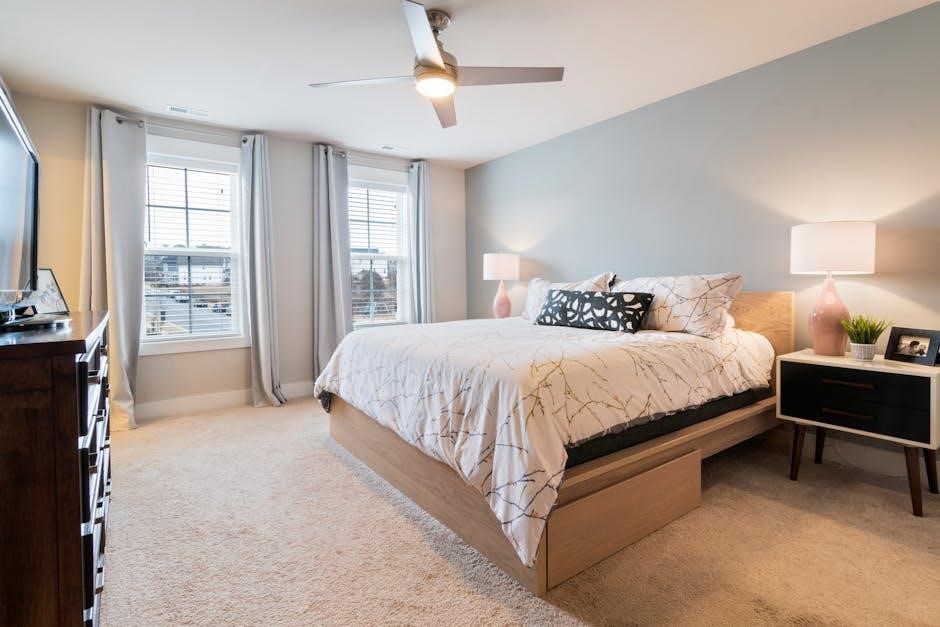
Office or study spaces require focused light; smaller shades (12-16 inches) paired with brighter bulbs enhance concentration. Consider ceiling height and furniture scale when selecting shade dimensions for each room.
Bedroom Lamp Shade Sizes
For bedside tables, lamp shades typically range from 16 to 20 inches in diameter, fostering a cozy and relaxing atmosphere. Lower wattage bulbs paired with these shades create gentle, diffused light ideal for reading or winding down; Consider the height of your nightstand; a taller stand can accommodate a slightly taller shade.
Prioritize softer fabrics and lighter colors in bedrooms to enhance the calming effect. Avoid harsh, direct light by selecting shades that adequately conceal the bulb, promoting restful sleep.
Living Room Lamp Shade Sizes
Living room lamp shades offer greater flexibility, ranging from 18 to 24 inches in diameter, depending on lamp size and room dimensions. Floor lamps often benefit from larger shades (20-26 inches) to provide ample ambient lighting. Table lamps typically utilize shades between 16 and 20 inches.
Consider the room’s overall style; bolder colors and patterns can complement a vibrant décor, while neutral shades offer versatility. Mix-and-match options allow for personalized lighting schemes, ensuring a harmonious blend of aesthetics and functionality.
Office/Study Lamp Shade Sizes
For focused task lighting in offices and studies, lamp shade size is paramount. Shades generally range from 12 to 16 inches in diameter, prioritizing directed illumination over broad ambient light. Smaller shades (12-14 inches) are ideal for desk lamps, minimizing glare and maximizing concentration.
Opt for shades that diffuse light evenly, reducing eye strain during prolonged work sessions. Neutral colors are preferred to maintain a professional atmosphere, though subtle patterns can add personality without distraction.
Troubleshooting Common Shade Size Issues
Incorrect shade sizing often leads to functional or aesthetic problems. A shade too small exposes the bulb, creating harsh light and glare, diminishing visual comfort. Conversely, an oversized shade can overwhelm the lamp and room, appearing disproportionate and blocking necessary illumination.
Wobbling indicates an improper fitter or unbalanced shade weight. Ensure the harp or spider fitter is securely attached and consider a heavier base for stability. Addressing these issues guarantees optimal performance and a polished look.
Shade Too Small – Bulb Visibility & Harsh Light
A significantly undersized lamp shade compromises both comfort and style. When the shade doesn’t adequately cover the bulb, direct glare becomes a prominent issue, straining the eyes and creating an unpleasant ambiance. This exposed bulb also casts harsh, unflattering light, lacking the soft diffusion desired for relaxation or focused tasks.
The resulting illumination feels stark and unwelcoming, diminishing the lamp’s intended purpose. Selecting a larger shade rectifies this, providing balanced, gentle light.
Shade Too Large – Overpowering the Lamp & Room
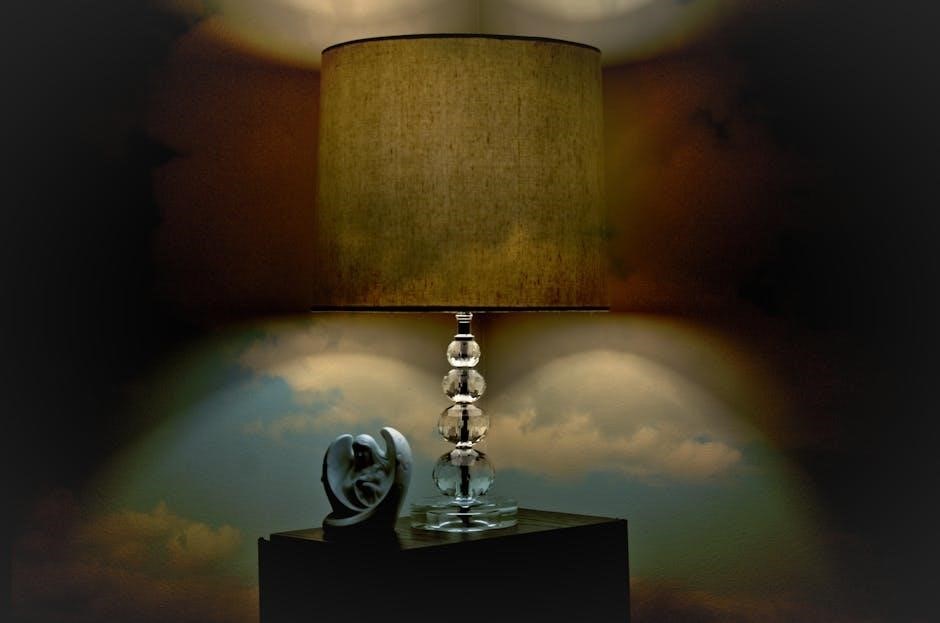
Conversely, an excessively large shade can overwhelm both the lamp base and the surrounding space. The lamp may appear disproportionate, losing its visual balance and seeming unstable. A massive shade also diminishes the lamp’s light output, creating a dim and underwhelming effect, defeating its primary function.
Furthermore, it can visually dominate a room, making the space feel smaller and cluttered. Choosing a more appropriately sized shade restores harmony and functionality.
Shade Wobbling or Instability
A wobbly or unstable lamp shade often indicates an improper fit between the shade and the lamp’s harp or spider fitter. This can stem from a shade that’s too heavy for the base, or a mismatch in fitter sizes. Ensure the fitter is securely attached to both the lamp and the shade.
Check for any damage to the harp or fitter components. A properly fitted shade should sit level and remain stable, preventing accidental tipping and ensuring safe operation.
Where to Buy Lamp Shades
Numerous avenues exist for purchasing lamp shades, catering to diverse budgets and preferences. Online retailers like Amazon, Wayfair, and specialized lighting stores offer vast selections and competitive pricing, alongside customer reviews for informed decisions.
Brick-and-mortar stores, including home improvement centers and lighting showrooms, provide the benefit of tactile assessment; For unique designs or specific requirements, custom shade options are available through specialized artisans and design services, ensuring a perfect fit and aesthetic.
Online Retailers
A plethora of online retailers offer extensive lamp shade collections, providing convenience and competitive pricing. Major platforms like Amazon and Wayfair boast enormous inventories, filtering options, and customer reviews to aid selection. Specialized lighting websites often curate unique and designer shades.
Consider shipping costs and return policies when purchasing online. Comparing prices across multiple retailers is advisable. Many sites offer virtual shade previews, assisting in visualizing the fit within your space, ensuring a satisfying purchase.
Brick-and-Mortar Stores
Traditional brick-and-mortar stores provide a tactile shopping experience, allowing you to physically assess shade materials, colors, and sizes. Home improvement giants like Lowe’s and Home Depot carry a selection, while dedicated lighting showrooms offer expert guidance and premium options.
Local boutiques and antique shops can yield unique, vintage shades. The advantage lies in immediate gratification and the ability to directly compare shades with your lamp base; However, selection may be limited compared to online retailers.
Custom Shade Options
For truly personalized lighting, consider custom lamp shades. This route allows complete control over fabric, shape, size, and detailing, ensuring a perfect fit and aesthetic match for your lamp and décor.
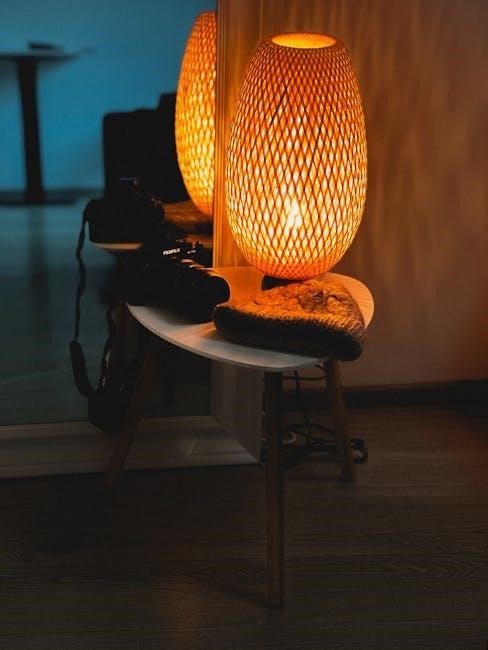
Numerous online and local businesses specialize in custom shade creation. Expect a higher price point, but the investment yields a unique piece tailored to your exact specifications. Bring your lamp base for accurate measurements and fabric selection assistance, guaranteeing a harmonious result.