Boat Lift Guide Bumpers: A Comprehensive Guide
Boat lift guide bumpers are crucial components, safeguarding your vessel during docking and storage, preventing costly hull damage and ensuring longevity.
Understanding Boat Lift Bumpers
Boat lift bumpers are essential protective devices designed to cushion your boat against the lift’s structural components during docking and lifting procedures. They act as a critical interface, absorbing impact and preventing direct contact between the boat’s hull and the lift frame.
These bumpers aren’t merely about preventing scratches; they actively safeguard against more significant damage that can compromise the hull’s integrity over time. Proper alignment, facilitated by bumpers and guides like ShoreMaster’s Bow Guide, is paramount for optimal lift performance and the boat’s long-term reliability.
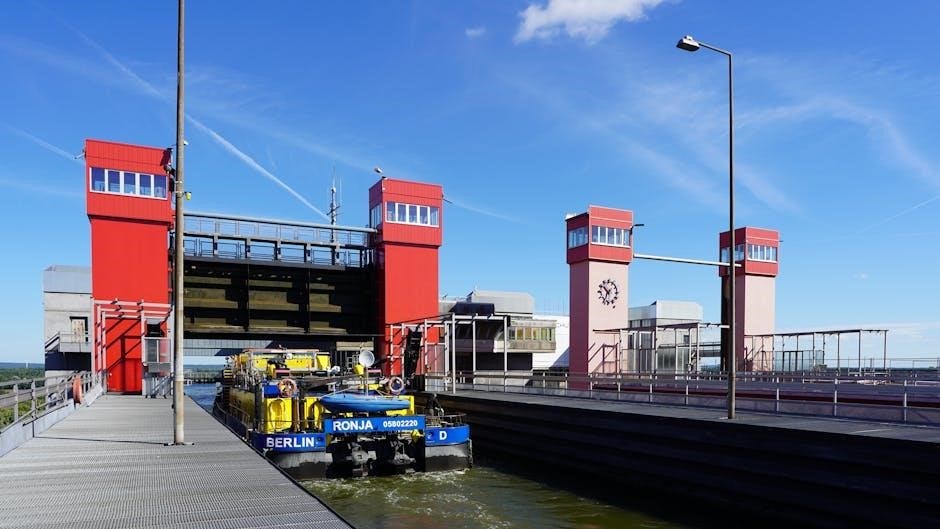
Without adequate bumpers, even seemingly minor impacts can accumulate, leading to gel coat cracks, structural weaknesses, and expensive repairs. Understanding their function is the first step towards proactive boat care and investment protection.
What is a Boat Lift Guide Bumper?
A boat lift guide bumper is a specialized component integrated into a boat lift system, strategically positioned to protect the vessel’s hull during the docking and lifting process. Typically found at the bow, these bumpers act as a cushioning barrier, preventing direct contact with the lift’s frame or other potentially damaging structures.
ShoreMaster Bow Guides exemplify this, incorporating a vinyl bumper to absorb impact. They aren’t simply standalone protectors; they work in conjunction with guide systems to ensure precise boat alignment on the lift. This alignment is vital for long-term performance and prevents issues like hull stress or uneven weight distribution.
Effectively, a guide bumper is a proactive measure against potential damage, extending both the boat’s and the lift’s lifespan.
The Importance of Bow Stops
Bow stops, often integrated with guide bumpers, are fundamentally important for secure boat docking and lift operation. They prevent a boat from “overrunning” the lift – moving too far forward and potentially colliding with the lift’s structure or even entering the water. This overrun can cause significant hull damage, negating the benefits of a lift system.
ShoreMaster emphasizes this, stating their Bow Guide helps “safely and securely store your boat” by preventing overrun. Proper alignment, facilitated by the bow stop and bumper combination, ensures optimal long-term performance and reliability of the entire lift system.
Without a reliable bow stop, even careful docking can result in costly repairs and diminished boat value.
Types of Boat Lift Bumpers
Boat lift bumpers come in several varieties, each offering different levels of protection and durability. Vinyl bumpers are a common, cost-effective choice, providing a cushioning layer to absorb impact during docking. Rubber bumpers offer increased resilience and are often preferred for heavier boats or more demanding conditions.
Foam bumpers, while lighter and potentially less expensive, may not provide the same level of long-term protection as vinyl or rubber; The selection depends on boat size, lift capacity, and environmental factors.
Many systems, like ShoreMaster’s Bow Guide, integrate a vinyl bumper specifically at the bow, recognizing this area’s vulnerability to impact.
Vinyl Bumpers
Vinyl bumpers represent a popular and economical solution for protecting boats on lifts. Constructed from durable, UV-resistant PVC, they offer excellent shock absorption, minimizing the risk of scratches, dents, and other hull damage during docking maneuvers. Their flexibility conforms to various hull shapes, providing consistent protection.
ShoreMaster frequently incorporates vinyl bumpers into their bow guide systems, recognizing their effectiveness in cushioning the bow – a primary impact point. These bumpers are relatively easy to install and maintain, requiring only periodic cleaning with mild soap and water.
While not as robust as rubber, vinyl bumpers provide a significant layer of defense at a reasonable cost, making them ideal for many boat lift applications.
Rubber Bumpers
Rubber bumpers offer superior durability and impact resistance compared to vinyl alternatives, making them a preferred choice for demanding environments and larger vessels. Their robust construction withstands repeated collisions and harsh weather conditions without significant degradation. This resilience translates to a longer lifespan and reduced replacement frequency.
The inherent elasticity of rubber provides exceptional shock absorption, effectively shielding boat hulls from damage during docking. While generally more expensive than vinyl, the enhanced protection and longevity often justify the investment.
Rubber bumpers are frequently utilized in high-stress areas of boat lifts, such as guide pile protectors and bow stops, ensuring reliable performance and safeguarding against potential damage.
Foam Bumpers
Foam bumpers represent a cost-effective solution for boat lift protection, offering adequate cushioning for smaller boats and calmer waters. Typically constructed from closed-cell polyethylene or similar materials, they provide a degree of impact absorption and resist waterlogging, crucial for maintaining buoyancy and effectiveness.
While not as durable as rubber, foam bumpers are lightweight and easy to install, making them a popular choice for DIY installations and seasonal boat lift setups. They are particularly well-suited for protecting hulls from minor scrapes and abrasions.
However, it’s important to note that foam bumpers may compress over time with repeated use, requiring periodic replacement to maintain optimal protection.
Materials Used in Boat Lift Bumpers
Boat lift bumpers utilize a range of materials, each offering distinct advantages in terms of durability, cost, and performance. Aluminum frequently forms the structural base, providing robust support and corrosion resistance, particularly in marine environments. This framework ensures longevity and stability for the bumper system.
Complementing the aluminum, UV-resistant plastics are commonly employed for the bumper’s outer layer. These plastics withstand prolonged sun exposure, preventing cracking and fading, and maintaining their protective qualities over time. Vinyl is a popular choice for its flexibility and impact absorption.
Furthermore, rubber and foam are integrated for cushioning, offering varying degrees of protection based on boat size and usage conditions.
Aluminum Construction
Aluminum stands as a premier material in boat lift bumper construction, prized for its exceptional strength-to-weight ratio and inherent resistance to corrosion. Marine environments pose significant challenges, with constant exposure to saltwater and harsh weather conditions. Aluminum alloys effectively combat these elements, ensuring a long service life without compromising structural integrity.
The use of aluminum also contributes to the overall durability of the ShoreMaster Bow Guide and similar systems. Its robust nature can withstand repeated impacts from boats during docking, providing reliable protection against damage. Furthermore, aluminum’s relatively lightweight nature simplifies installation and minimizes stress on the boat lift itself.
Properly treated aluminum offers decades of reliable performance.
UV-Resistant Plastics
UV-resistant plastics are integral to boat lift bumper design, particularly for components directly exposed to sunlight. Prolonged UV exposure can degrade standard plastics, causing them to become brittle, cracked, and ultimately fail. Specialized formulations, however, incorporate UV stabilizers that significantly extend their lifespan in harsh outdoor conditions.
These plastics are commonly used for bumper surfaces, offering a cushioning layer to protect boat hulls from contact with the lift structure. The ShoreMaster Bow Guide, for example, often features a vinyl bumper made from such materials. This provides a protective cushion at the bow, preventing scratches and dents.
Selecting high-quality, UV-stabilized plastics ensures long-term performance and minimizes the need for frequent replacements.
Benefits of Using Boat Lift Bumpers
Boat lift bumpers deliver substantial advantages for boat owners, extending beyond simple hull protection. They actively prevent hull damage from contact with the lift’s frame during docking and movement, safeguarding your investment. Proper alignment, facilitated by bumpers and bow guides like those from ShoreMaster, ensures optimal weight distribution and stability on the lift.
Furthermore, utilizing bumpers contributes to extending boat lift lifespan by reducing stress on the lift’s structural components. Precise docking, achieved with a ShoreMaster Bow Guide, minimizes the risk of misalignment and potential damage to both the boat and the lift itself. This proactive approach translates into long-term cost savings and peace of mind.
Preventing Hull Damage
Boat lift guide bumpers are primarily designed for preventing hull damage, a significant concern for boat owners. Impacts during docking, even seemingly minor ones, can lead to gel coat cracks, structural weaknesses, and costly repairs. Bumpers, particularly those with a vinyl bumper component like ShoreMaster Bow Guides, act as a crucial cushion.
These bumpers absorb the energy of contact, protecting the vulnerable bow and sides of your boat. By preventing direct contact with the lift’s frame, they mitigate the risk of scratches, dents, and more serious structural issues. Proper alignment, aided by bow guides, further minimizes the chance of accidental collisions, ensuring your boat remains in pristine condition.
Ensuring Proper Alignment
Ensuring proper alignment is a core function of boat lift guide bumpers, working in tandem with ShoreMaster Bow Guides to streamline the docking process. Correct positioning on the lift isn’t merely about convenience; it’s vital for long-term performance and preventing uneven stress on the boat’s hull.
Bow guides, coupled with bumpers, center the boat accurately, preventing it from overrunning or shifting during use. This precise docking minimizes the risk of impacts and distributes weight evenly. Proper alignment also optimizes the lift’s lifting mechanism, reducing strain and extending its lifespan. Ultimately, consistent, accurate positioning protects your investment and simplifies boat maintenance.

Extending Boat Lift Lifespan
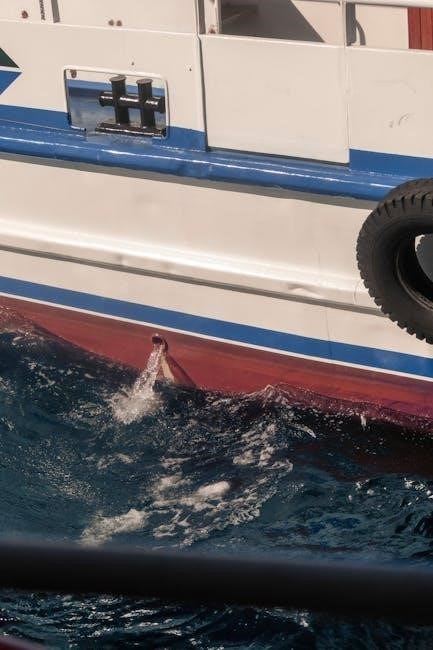
Boat lift guide bumpers contribute significantly to extending the lifespan of your entire boat lift system. By preventing forceful impacts during docking, they reduce stress on the lift’s structural components – the frame, cables, and motor. This minimized wear and tear translates directly into fewer repairs and a longer operational life for your investment.
Consistent, gentle docking, facilitated by bumpers and guides like those from ShoreMaster, avoids the cumulative damage caused by repeated hard landings. Protecting the lift frame from contact with the boat also prevents corrosion and structural fatigue. Proactive use of these components safeguards against costly replacements and ensures years of reliable service.
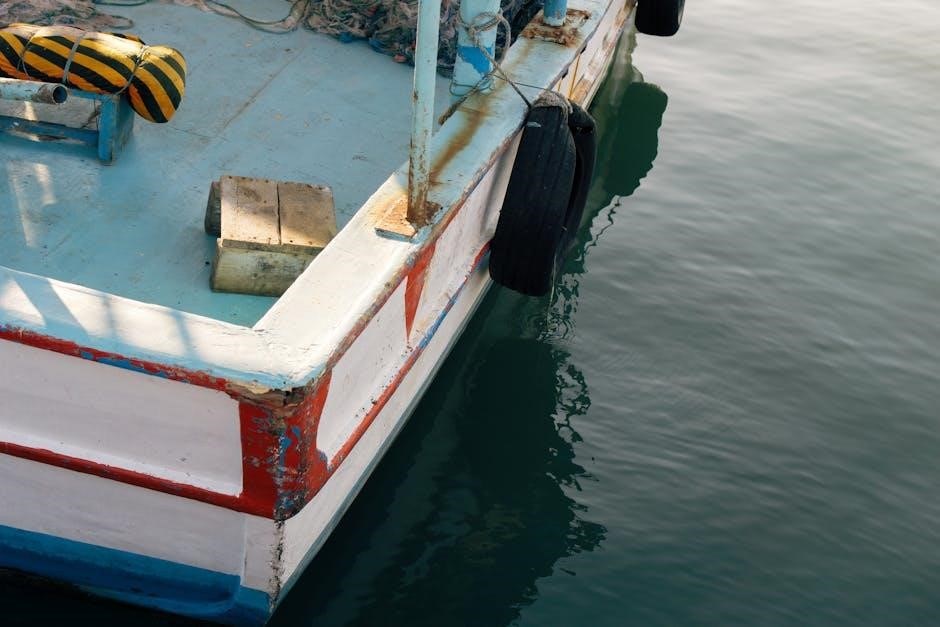
ShoreMaster Bow Guides: A Detailed Look
ShoreMaster Bow Guides represent a premium solution for secure boat positioning on lifts. Designed to prevent overrunning, these guides ensure optimal alignment, protecting your boat’s hull from contact with the lift’s frame. Constructed with durable aluminum, they offer long-lasting reliability in harsh marine environments.
A key feature is the integrated vinyl bumper, providing a protective cushion at the bow – the point most susceptible to impact. This combination of robust construction and cushioning safeguards against scratches and dents. ShoreMaster’s focus on precise docking contributes to the best long-term performance and overall lift reliability, making it a favored choice among boat owners.
Features of ShoreMaster Bow Guides
ShoreMaster Bow Guides boast several key features enhancing boat protection and lift functionality. The aluminum construction ensures exceptional durability, resisting corrosion and withstanding the rigors of marine use. Integrated vinyl bumpers provide a crucial protective layer, absorbing impact and preventing hull damage during docking maneuvers.
These guides are engineered for precise centering, consistently positioning the boat correctly on the lift. This accurate alignment minimizes stress on the boat and lift components, extending their lifespan. The design facilitates safe docking, reducing the risk of scratches or dents. Ultimately, ShoreMaster prioritizes both boat security and the long-term reliability of the lift system.
Installation of ShoreMaster Bow Guides
Installing ShoreMaster Bow Guides typically involves securing them to the boat lift’s frame, flanking the boat’s intended path. Begin by carefully positioning the guides, ensuring they align with the boat’s bow and allow sufficient clearance. Utilize the provided mounting hardware – often bolts and brackets – to firmly attach the guides to the lift’s structural members.
Proper alignment is critical; double-check that the guides are level and parallel to each other. Tighten all fasteners securely, but avoid over-tightening, which could damage the aluminum components. Regularly inspect the installation to confirm the guides remain stable and properly positioned throughout the boating season. A secure installation guarantees optimal boat protection.

DIY Boat Lift Bumper Solutions
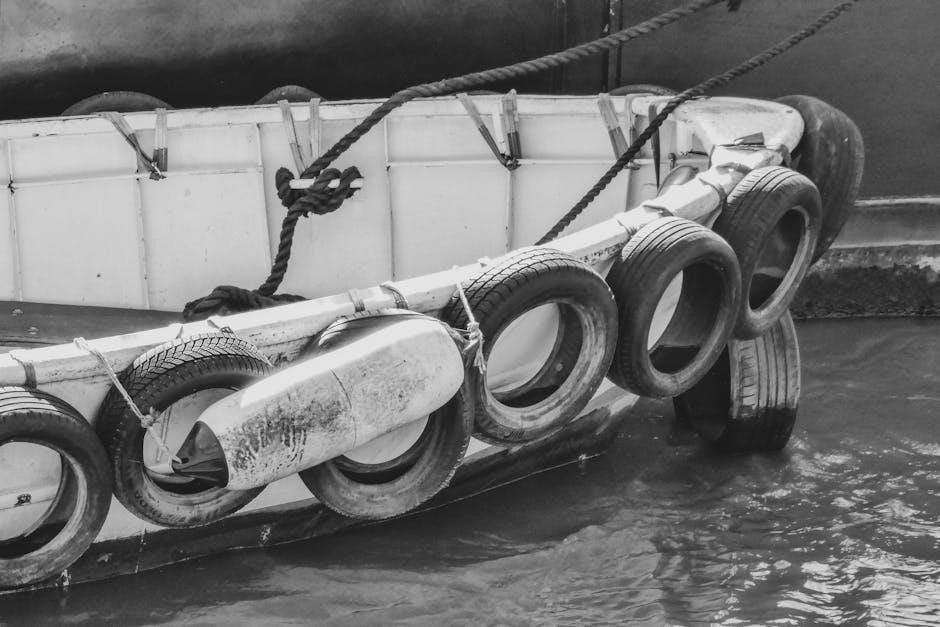
Creating custom boat lift bumpers offers a cost-effective alternative to pre-made options; Utilizing readily available materials like marine-grade foam, old tires (cleaned thoroughly), or even repurposed plastic lumber can yield effective protection. Secure these materials to the lift’s frame using robust straps, bolts, or marine adhesive.
Consider the boat’s size and shape when designing your bumpers, ensuring adequate coverage of potential contact points. Vinyl sheeting can be added for extra protection against abrasion. Regularly inspect DIY solutions for wear and tear, replacing or reinforcing components as needed. Prioritize safety and durability when constructing homemade bumpers.
Creating Custom Bumpers
Custom bumpers allow tailored protection for your boat, addressing specific lift configurations and vessel shapes. Begin by accurately measuring the contact points between your boat and the lift. Closed-cell foam is an excellent material choice, offering buoyancy and impact absorption. Cut the foam to the desired dimensions, ensuring a snug but not overly restrictive fit.
Encase the foam in a durable outer layer, such as heavy-duty vinyl or reinforced rubber, to resist abrasion and UV damage. Secure the covering with marine-grade adhesive and stainless steel fasteners. Consider adding handles for easy adjustment and removal. Regularly inspect your custom bumpers for wear, and repair or replace them promptly.
Choosing the Right Size Bumper
Selecting the correct bumper size is paramount for effective protection. Begin by measuring your boat’s beam – its widest point – and the corresponding area on your boat lift. Bumpers should be sufficiently long to cover this contact zone, preventing direct hull-to-lift contact.
Consider your boat’s freeboard, the distance from the waterline to the deck. Higher freeboard requires taller bumpers. For pontoon boats, wider, flatter bumpers are ideal, while V-hull boats benefit from contoured bumpers that follow the hull shape. Ensure bumpers aren’t so large they impede lift operation or cause excessive stress on the lift structure.
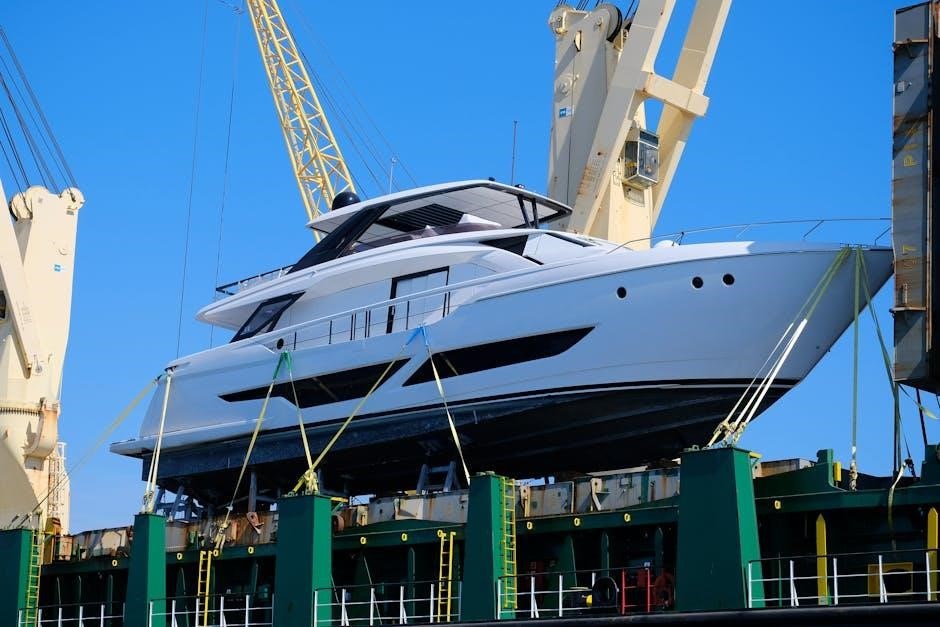
Measuring Your Boat and Lift
Accurate measurements are fundamental to selecting appropriately sized boat lift bumpers. Start by measuring your boat’s beam (width) at its widest point – this dictates the minimum bumper length needed. Next, determine the freeboard, measuring from the waterline to the deck, to ascertain the required bumper height.
On the lift itself, measure the distance between the guide posts or bunks where the boat will make contact; Compare these lift measurements with your boat’s dimensions. Note any obstructions or unique features on both the boat and lift that might influence bumper placement. Precise measurements ensure optimal protection and prevent damage.
Compatibility with Different Boat Lifts
Boat lift designs vary significantly, impacting bumper compatibility. ShoreMaster lifts, for example, often utilize specific bow guide systems designed for their frames. Universal bumpers are available, but careful consideration of mounting points is essential. Pylon lifts may require different attachment methods than roller or cradle lifts.
Ensure the chosen bumpers are compatible with your lift’s material – aluminum, steel, or plastic. Check for adequate clearance to prevent interference with lift operation. Some lifts have pre-drilled holes for easy installation, while others may necessitate custom mounting solutions. Prioritize bumpers designed for marine environments to resist corrosion and UV damage.
Considerations for Pontoon Boats
Pontoon boats present unique challenges for bumper selection due to their broad, flat surfaces. Standard bumpers may not provide sufficient coverage, increasing the risk of contact with the lift’s structure. Larger, wider bumpers are often necessary to distribute pressure evenly across the pontoon’s sides.
Consider bumpers with increased height to accommodate the pontoon’s freeboard. Pay attention to corner protection, as these areas are particularly vulnerable to damage. Soft, pliable materials are ideal to prevent scratching or denting the aluminum pontoons. Ensure the bumpers are securely fastened to withstand the pontoon’s weight and movement during loading and unloading.
Considerations for V-Hull Boats
V-hull boats, with their angled sides, require bumpers that conform to the hull’s shape for optimal protection. Traditional flat bumpers may leave gaps, potentially leading to contact points. Contoured bumpers, specifically designed for V-hulls, provide a snug fit and distribute pressure effectively.
Focus on protecting the chines – the sharp edges where the hull meets the bottom – as these are prone to damage. Consider using multiple smaller bumpers to follow the hull’s curve, rather than a few large ones. Ensure the bumpers are positioned to prevent rubbing against the boat lift’s pilings or beams. Regular inspection is vital to maintain proper alignment and protection.
Maintenance and Care of Bumpers
Regular maintenance extends the life of your boat lift bumpers and ensures continued protection. Cleaning procedures should include periodic washing with mild soap and water to remove algae, dirt, and salt buildup. Avoid harsh chemicals or abrasive cleaners that can degrade the material.
Inspecting for wear and tear is crucial; check for cracks, tears, or compression. Pay close attention to areas that experience frequent contact. Replacing worn-out bumpers proactively prevents damage to your boat. UV exposure can also degrade materials, so consider protective sprays or covers. Consistent care safeguards your investment and your vessel.
Cleaning Procedures
Routine cleaning is vital for maintaining the effectiveness and longevity of your boat lift bumpers. Begin by rinsing the bumpers thoroughly with fresh water to remove loose debris, salt residue, and grime. Follow this with a gentle scrub using a mild soap specifically designed for marine applications.
Avoid harsh chemicals, solvents, or abrasive cleaners, as these can cause deterioration and cracking. A soft-bristled brush is ideal for reaching into crevices. After scrubbing, rinse again with clean water and allow the bumpers to air dry completely before the boat is returned to the lift. Regular cleaning prevents buildup and preserves bumper integrity.
Inspecting for Wear and Tear
Regular inspections are paramount to ensuring your boat lift bumpers continue to provide adequate protection. Carefully examine each bumper for signs of cracking, splitting, or deformation. Pay close attention to areas that experience the most contact with your boat’s hull.
Check for UV damage, indicated by fading or a chalky surface, especially on vinyl or plastic components. Also, inspect the attachment points – ropes, straps, or bolts – for corrosion or weakening. Early detection of wear allows for timely replacement, preventing potential hull damage and extending the life of your boat lift system. Don’t ignore even minor imperfections!
Replacing Worn-Out Bumpers
Prompt replacement of damaged boat lift bumpers is essential for maintaining hull protection and preventing costly repairs. When removing old bumpers, carefully note the original mounting configuration for easy reinstallation.
Select replacement bumpers that match the original specifications in terms of size, material, and attachment method. Ensure a secure fit to prevent shifting during use. Consider upgrading to more durable materials if you frequently encounter harsh weather conditions or heavy boat traffic. Properly disposed of old bumpers and confirm the new ones are firmly attached before relying on them to protect your boat.
Cost Analysis: Bumpers vs. Potential Damage
Investing in quality boat lift bumpers is a proactive measure that yields significant long-term savings. The initial cost of bumpers – typically ranging from $20 to $100+ per bumper, depending on material and size – pales in comparison to the potential expenses associated with hull damage.
Hull repairs, even for minor scratches, can easily exceed several hundred dollars, while more substantial impacts could necessitate thousands in fiberglass work. Bumpers offer a cost-effective safeguard against these unforeseen expenses, preserving your boat’s value and minimizing downtime. Consider bumpers an insurance policy against costly accidents, ensuring peace of mind and protecting your investment.
Long-Term Savings
The benefits of boat lift guide bumpers extend far beyond immediate hull protection, translating into substantial long-term savings. By preventing damage, you avoid the recurring costs of repairs, repainting, and potential depreciation in your boat’s value. Consistent use of bumpers also contributes to the overall lifespan of your boat lift itself, reducing the need for costly maintenance or replacement of lift components.
Furthermore, maintaining your boat’s pristine condition enhances its resale value. Investing in durable, UV-resistant bumpers minimizes the need for frequent replacements, offering continued protection for years to come. Ultimately, the modest upfront investment in bumpers delivers a significant return, safeguarding your financial investment and ensuring years of worry-free boating.
Where to Purchase Boat Lift Bumpers
Finding the right boat lift bumpers is straightforward, with options available both online and through local retailers. Numerous online retailers specialize in marine supplies, offering a wide selection of bumpers, including ShoreMaster components, with convenient shipping directly to your door. Popular platforms often feature customer reviews and competitive pricing, aiding in informed decision-making.
Alternatively, local marine supply stores provide the benefit of in-person consultation and immediate availability. These stores often stock a range of bumper types and sizes, allowing you to physically assess the products before purchasing. Don’t hesitate to seek advice from experienced staff to ensure compatibility with your specific boat lift system.
Online Retailers
Numerous online retailers specialize in marine equipment, offering a convenient way to purchase boat lift guide bumpers. Major e-commerce platforms like Amazon and eBay host a diverse selection from various brands, often with competitive pricing and customer reviews. Dedicated marine supply websites, such as Overton’s and BoatUS, provide specialized expertise and a broader range of options tailored to boating needs.
When shopping online, carefully review product descriptions, dimensions, and compatibility information to ensure a proper fit for your boat and lift system. Pay attention to shipping costs and return policies. Comparing prices across multiple retailers can help you secure the best deal, protecting your investment and ensuring optimal boat protection.
Local Marine Supply Stores
Visiting local marine supply stores offers a personalized shopping experience and the opportunity for expert advice. Knowledgeable staff can assist in selecting the correct bumpers based on your boat’s size, lift type, and specific docking conditions. These stores often carry a range of brands and materials, allowing for direct comparison and tactile assessment of product quality.
Supporting local businesses strengthens your community and fosters valuable relationships. Immediate availability of bumpers eliminates shipping delays, enabling quick installation and protection for your boat. Furthermore, local stores may offer installation services or recommendations for qualified technicians, ensuring a secure and effective setup.