Ironman Training Plan: A 24-Week Guide
Embark on a comprehensive 24-week journey‚ progressing from a 70.3 finisher to tackling the 140.6-mile Ironman. This plan prioritizes aerobic efficiency‚
consistency‚ and progressive overload‚
building towards peak performance.
Target Audience & Prerequisites
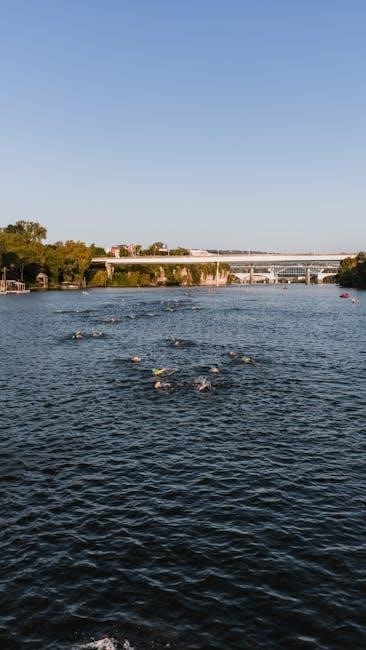
This 24-week Ironman training plan is specifically designed for triathletes who have already successfully completed a 70.3 (Half Ironman) race within the past year. A foundation of at least one year of consistent triathlon experience is crucial before attempting this demanding program;
Ideal candidates possess a solid aerobic base and are comfortable with consistent training volume. The plan assumes athletes can dedicate significant time to training‚ peaking at around 18.5 hours per week. Beginners should not attempt this plan; it’s geared towards those seeking to elevate their performance and conquer the full Ironman distance.
Plan Overview: Consistency & Aerobic Base
The cornerstone of this 24-week Ironman plan is unwavering consistency. Approximately 80% of workouts are structured at an easy effort‚ falling within Zone 2‚ to maximize aerobic development. This focus builds a robust foundation crucial for endurance performance.
Progressive overload is implemented‚ gradually increasing weekly training volume by roughly 10% to stimulate adaptation. The plan emphasizes building endurance before introducing significant intensity. Recovery is paramount‚ with daily foam rolling‚ prioritizing 8 hours of sleep‚ and diligent hydration tracking integrated throughout.
Phase 1: Preparation (Weeks 1-6)
This initial six-week phase lays the groundwork for success. Expect a starting volume of approximately 6-8 hours per week‚ focusing on establishing a consistent training routine. Week 1 begins with 5‚400 yards of swimming‚ 5 hours and 10 minutes cycling‚ and 2 hours 33 minutes running.
The emphasis is on building an aerobic foundation‚ not pushing limits. This phase prepares the body for the increased demands of subsequent phases‚ balancing training with existing work and family commitments. It’s about building habits and injury prevention.
Initial Volume & Focus
The starting point centers around establishing a manageable workload. Athletes should anticipate dedicating around 6-8 hours weekly to training during these initial weeks. A significant portion – roughly 80% – of workouts should be performed at an easy effort‚ within Zone 2‚ prioritizing aerobic development.
Focus is placed on consistency over intensity. This phase isn’t about peak performance; it’s about building a solid base and adapting the body to regular training stress. Prioritize proper form and listen to your body to avoid early-season injuries.
Building Aerobic Foundation
Aerobic efficiency is paramount for Ironman success‚ and these initial weeks are dedicated to its development. Expect to begin with approximately 5‚400 yards of swimming‚ 5 hours and 10 minutes of cycling‚ and 2 hours and 33 minutes of running weekly.
Longer‚ slower workouts are key. This phase emphasizes time on feet and in the saddle‚ building the cardiovascular system’s capacity. Focus on maintaining a conversational pace‚ ensuring you can comfortably hold a dialogue during your efforts. This establishes the crucial base for future intensity.
Phase 2: Base Building ー Period 1 (Weeks 7-10)
This period marks a deliberate increase in weekly training volume‚ continuing the focus on aerobic development. Expect to gradually build upon the foundation established in Phase 1‚ adding duration to key workouts.
Consistency remains vital‚ with approximately 80% of workouts performed at an easy effort (Zone 2). This phase prepares the body for the more demanding training ahead. Balancing work‚ family‚ and training is crucial‚ ensuring sustainable progress without risking burnout or injury.
Increasing Weekly Volume
Progressive overload is key during this phase‚ systematically increasing your total weekly training hours. Expect a gradual rise‚ building from the initial volume established in the preparation phase. This isn’t about sudden jumps‚ but consistent‚ manageable increments.
Aim for a 10% increase each week‚ carefully monitoring your body’s response. Prioritize recovery alongside increased workload. Longer workouts are introduced‚ demanding greater time commitment and discipline. This builds endurance and prepares you for the demands of longer Ironman distances.
Swim Training Focus

Early base building emphasizes swim technique and efficiency. Begin with 5‚400 yards per week‚ focusing on drills to improve form and reduce drag. This phase isn’t about speed‚ but establishing a solid foundation.
Incorporate varied sets: distance swims‚ interval training‚ and open water simulations (when possible). Prioritize consistent yardage over intense speed work. Building a strong aerobic base in the water is crucial for Ironman success. Gradually increase yardage as the weeks progress‚ preparing for longer‚ sustained swims during the race.
Phase 3: Base Building ⏤ Period 2 (Weeks 11-14)
This period intensifies the aerobic foundation‚ specifically targeting cycling endurance. Expect to increase weekly training volume‚ pushing cycling sessions to over 5 hours and 10 minutes. Focus shifts to longer rides at a conversational pace (Zone 2)‚ building stamina.
Run volume also sees progression‚ but cautiously. Maintain consistency while gradually increasing mileage. This phase is about building resilience and preparing the body for the demands of longer workouts. Remember‚ 80% of training should remain at easy effort‚ prioritizing aerobic development over speed.
Cycling Endurance Development
Weeks 11-14 prioritize significant cycling gains. Training volume increases‚ aiming for sessions exceeding 5 hours and 10 minutes weekly. The core principle is sustained effort at a comfortable‚ conversational pace – Zone 2 training. This builds mitochondrial density and fat-burning efficiency‚ crucial for Ironman’s demands.
Longer rides are key‚ gradually extending duration. Incorporate rolling hills to simulate race conditions. Focus on maintaining consistent cadence and proper hydration. Remember‚ this phase isn’t about speed; it’s about building the aerobic engine necessary to endure the full Ironman distance.
Run Volume Progression
During weeks 11-14‚ carefully increase running mileage. Starting around 2 hours and 33 minutes weekly‚ gradually build towards longer runs‚ prioritizing consistency over speed. Focus on easy-paced runs‚ maintaining a conversational effort – Zone 2 is vital. This phase aims to strengthen tendons and ligaments‚ preparing them for the marathon.
Incorporate a long run each week‚ slowly extending its distance. Pay close attention to your body‚ addressing any niggles promptly. Remember‚ the goal is to build endurance‚ not to push for personal bests at this stage. Proper form and recovery are paramount.
Phase 4: Base Building ⏤ Period 3 (Weeks 15-18)
This period introduces crucial brick workouts‚ simulating race-day transitions. These sessions – bike immediately followed by a run – teach your legs to run off the bike‚ a key Ironman skill. Expect increased weekly training volume‚ peaking around 16.5-18 hours.
Strength training becomes more integrated‚ focusing on core stability and leg strength. This supports injury prevention and improves power transfer. Continue prioritizing Zone 2 training‚ building a robust aerobic base. Listen to your body and adjust volume as needed‚ preventing overtraining.
Brick workouts are pivotal for Ironman success‚ directly mimicking the demands of race day. These sessions involve an immediate transition from cycling to running‚ forcing your muscles to adapt to running on fatigued legs.
Initially‚ keep brick workouts relatively short‚ focusing on the transition itself. Gradually increase the cycling duration and running distance. The goal isn’t speed‚ but acclimating your body to the unique challenge. Expect initial discomfort; this will lessen with practice‚ improving your race-day performance significantly.
Strength Training Integration
Strength training is crucial for injury prevention and performance enhancement throughout your 24-week Ironman journey. Focus on functional strength – exercises that mimic triathlon movements.
Prioritize core stability‚ leg strength‚ and upper body endurance. Incorporate 2-3 sessions per week‚ starting with lighter weights and higher repetitions. As you progress‚ increase the weight and decrease repetitions. Don’t neglect recovery; strength training creates micro-tears that require adequate rest for repair and adaptation‚ bolstering your overall resilience.
Phase 5: Build Phase (Weeks 19-22)
The Build Phase marks a significant increase in training intensity‚ preparing you for race-day demands. This four-week block focuses on sharpening speed and endurance across all disciplines.
Expect longer intervals in swimming‚ cycling‚ and running‚ pushing your aerobic and anaerobic thresholds. Cycling workouts will incorporate more hill work and sustained efforts. Swim sessions will emphasize pace and technique. Carefully monitor fatigue levels and prioritize recovery. This phase is about refining your fitness‚ not simply adding volume‚ ensuring you’re primed for peak performance.
Intensity Increase – Swim
Weeks 19-22 introduce structured swim intensity‚ moving beyond consistent yardage. Expect interval sets focusing on threshold pace and speed endurance. Workouts will include varied distances – short‚ fast repeats and longer‚ sustained efforts.
Prioritize technique drills alongside speed work to maintain efficiency under fatigue. Incorporate pull buoy and kickboard sets to isolate muscle groups. Aim for approximately 5‚400 yards in Week 1‚ peaking at 10‚825 yards‚ focusing on quality over quantity. This phase builds swim-specific strength and prepares you for open water challenges.
Intensity Increase – Bike
During weeks 19-22‚ cycling shifts towards higher intensity‚ building on the aerobic base established earlier. Introduce interval training – sustained efforts at threshold and VO2 max – alongside longer endurance rides. Expect structured workouts incorporating hill repeats and tempo efforts.
Weekly volume peaks around 9 hours and 30 minutes‚ demanding careful energy management. Focus on maintaining proper bike fit and cadence. Integrate race-pace simulations to prepare for the Ironman bike leg. This phase aims to elevate your cycling power and efficiency‚ crucial for a strong performance.
Phase 6: Peak & Taper (Weeks 23-24)
The final two weeks are dedicated to peaking and tapering‚ optimizing your body for race day. Reduce training volume significantly – approximately 40-60% – while maintaining some intensity to keep muscles engaged. Focus shifts to recovery‚ nutrition‚ and mental preparation.

Develop a detailed race week strategy‚ including pacing‚ nutrition‚ and transition plans. Prioritize sleep and hydration. Avoid any new activities or strenuous efforts. This phase allows your body to fully recover and store energy‚ ensuring you arrive at the start line feeling fresh and ready to perform.
Race Week Strategy

Your race week strategy is paramount for success. Pre-plan everything: nutrition‚ transitions‚ pacing‚ and even potential challenges. Dial in your race-day breakfast and practice it during training. Prepare transition bags meticulously‚ ensuring quick and efficient changes.
Visualize success and manage pre-race anxiety. Focus on positive self-talk and trust your training. Avoid crowded areas and prioritize rest. Confirm logistics – course details‚ weather forecast‚ and transportation. A well-defined strategy minimizes stress and maximizes performance on race day.
Tapering for Optimal Performance
The final 2-3 weeks are crucial for tapering. Reduce training volume gradually – approximately 20-30% per week – while maintaining intensity. This allows your body to recover and rebuild glycogen stores. Prioritize sleep; aim for 8+ hours nightly.
Focus on nutrition and hydration. Increase carbohydrate intake to top off energy reserves. Avoid trying anything new during this phase. Mental preparation is key; visualize a successful race and manage any lingering anxieties. Tapering isn’t about doing nothing; it’s about strategic recovery for peak performance.
Weekly Training Volume Progression
The plan begins with substantial initial volumes: 5‚400 yards swimming‚ 5 hours 10 minutes cycling‚ and 2 hours 33 minutes running in Week 1. Volume steadily increases throughout the 24 weeks‚ peaking with 10‚825 yards swimming‚ 9 hours 30 minutes cycling‚ and 3 hours 52 minutes running.
Progressive overload is key‚ typically increasing weekly volume by 10%. The plan incorporates phases of preparation‚ base building (three periods)‚ and a build phase‚ culminating in a taper. Expect weekly training hours to range from 6-8 to a maximum of 16.5-18 hours.
Nutrition & Hydration Strategies
Fueling the Ironman demands a strategic approach. Prioritize consistent hydration throughout training‚ actively tracking intake to avoid deficits. Focus on a carbohydrate-rich diet to support endurance‚ alongside adequate protein for muscle recovery and repair.
Experiment with race-day nutrition during longer training sessions to identify optimal fueling strategies. Consider electrolyte replacement‚ especially during intense workouts and in warmer conditions. Recovery nutrition is crucial – replenish glycogen stores and aid muscle recovery post-exercise.
Recovery Protocols
Prioritizing recovery is as vital as the training itself. Aim for a minimum of 8 hours of quality sleep each night to facilitate muscle repair and hormonal balance. Incorporate daily foam rolling to address muscle soreness and improve flexibility.

Hydration tracking is essential – monitor fluid losses and replenish accordingly. Active recovery‚ such as light swimming or walking‚ can aid blood flow and reduce muscle stiffness. Listen to your body and don’t hesitate to take rest days when needed to prevent overtraining and injury.
Sleep & Foam Rolling
Consistent‚ quality sleep – aiming for 8 hours nightly – is non-negotiable. It’s during sleep that the body undertakes crucial repair and adaptation processes. Complement this with daily foam rolling‚ targeting major muscle groups like quads‚ hamstrings‚ and back.
Foam rolling helps release muscle tension‚ improve flexibility‚ and enhance recovery. Dedicate 10-15 minutes post-workout‚ or even on rest days‚ to this practice. Prioritizing these two elements significantly reduces injury risk and optimizes training gains throughout the 24-week plan.
Hydration Tracking
Maintaining optimal hydration is paramount throughout this 24-week Ironman training plan. Don’t rely on thirst; proactively track your fluid intake daily. Aim for consistent hydration‚ sipping water throughout the day‚ not just during and after workouts.
Consider using a hydration app or simply logging your intake. Pay attention to urine color – pale yellow indicates good hydration. Electrolyte replacement is crucial‚ especially during longer sessions. Proper hydration prevents cramping‚ enhances performance‚ and supports overall recovery‚ ensuring you stay on track.
Mental Preparation
Ironman is as much a mental challenge as it is physical. This 24-week plan incorporates mental fortitude training alongside physical conditioning. Visualize success‚ practice positive self-talk‚ and develop coping strategies for discomfort. Break down the race into manageable segments.
Focus on controlling the controllable – your effort‚ nutrition‚ and pacing. Mindfulness and meditation can reduce anxiety and improve focus. Remember your ‘why’ – your motivation for undertaking this incredible journey. A strong mental game is essential for pushing through challenging moments and achieving your goals.