Dutch Oven Temperature Guide: A Comprehensive Overview
Navigating the world of Dutch ovens requires understanding temperature control, crucial for successful cooking․ This guide details techniques for achieving precise heat,
whether using charcoal or a standard oven, ensuring delicious results every time․ Mastering these methods unlocks a versatile cooking experience․
Understanding Dutch Oven Temperature Control
Precise temperature regulation is paramount when utilizing a Dutch oven, differing significantly from conventional cookware․ Unlike thinner pots, cast iron retains heat exceptionally well, creating a more stable cooking environment․ However, this also means adjustments take longer․
Controlling temperature hinges on understanding heat sources – charcoal briquettes or a standard oven․ With charcoal, briquette placement dictates heat distribution; more underneath for direct heat, and atop the lid for even baking․
In a standard oven, Dutch ovens excel at maintaining consistent temperatures, but monitoring is still vital․ Lodge Cast Iron categorizes oven temperatures as Slow (250-350°F), Moderate (350-400°F), Hot (400-450°F), and Very Hot (450-500°F)․
Successfully managing temperature ensures optimal results, preventing scorching or undercooking, and unlocking the full potential of your Dutch oven․
Temperature Ranges for Common Cooking Methods
Dutch ovens shine across a spectrum of cooking techniques, each demanding a specific temperature range for optimal results․ For slow cooking, maintain a consistent 250°F to 350°F, ideal for tenderizing tough cuts of meat and developing rich flavors over extended periods․
Roasting benefits from temperatures between 325°F and 375°F, promoting browning and creating crispy exteriors while keeping interiors moist․ Similarly, braising thrives within the 325°F ー 375°F range, combining searing and slow simmering for incredibly tender dishes․
When baking, temperatures vary․ Moderate ovens (350°F ⏤ 400°F) suit most breads and cakes, while hotter ovens (400°F ⏤ 450°F) are preferred for achieving a crusty loaf or perfectly browned pie;
Understanding these ranges empowers you to adapt recipes and consistently achieve culinary success with your Dutch oven․
Dutch Oven Temperature & Cooking Applications
The versatility of a Dutch oven stems from its ability to maintain consistent temperatures for diverse cooking applications․ Low and slow cooking, like pot roasts or stews, flourish at 250°F-350°F, yielding fall-apart tenderness․ Conversely, achieving a beautifully browned chicken requires 325°F-375°F for roasting․
Braising, a technique combining searing and simmering, also thrives within the 325°F-375°F spectrum, creating deeply flavorful dishes․ Baking bread demands precise heat; moderate ovens (350°F-400°F) are ideal for cakes, while hotter temperatures (400°F-450°F) produce crusty loaves․
Even desserts benefit from Dutch oven cooking․ Fruit cobblers and crisps bake evenly at 375°F, developing a golden-brown topping․ Proper temperature control is key to unlocking the full potential of this culinary workhorse․
Temperature Control with Charcoal Briquettes
Achieving desired temperatures with charcoal relies on strategic briquette placement and quantity, utilizing charts to determine the precise number needed for optimal heat distribution․
Charcoal Briquette Placement for Heat Distribution
Effective temperature control with a Dutch oven and charcoal hinges on understanding briquette placement․ The distribution of heat isn’t uniform; therefore, strategic arrangement is key․ Generally, more briquettes are placed underneath the oven to provide the primary heat source for cooking, while fewer are positioned on the lid to deliver top-down heat․
A common approach involves a pattern like a ‘ring’ of briquettes around the perimeter under the oven, with fewer in the center to prevent scorching․ For lid placement, distributing them evenly across the surface ensures consistent warmth․ The Mind Your Magnets guide emphasizes that the number and placement directly correlate to the desired temperature․ Remember, adjusting the arrangement allows for fine-tuning, creating hotter or cooler zones within the Dutch oven for varied cooking needs․ Experimentation is encouraged to master this technique!
Calculating Briquette Needs: A Cheat Sheet Approach
Determining the correct number of charcoal briquettes can feel daunting, but a cheat sheet simplifies the process significantly․ Resources like the magnetic guides from Amazon․com offer quick reference charts, eliminating guesswork․ These charts typically present a two-number system: one for briquettes placed under the Dutch oven, and another for those placed on the lid․
The required quantity directly relates to the target temperature․ For example, a moderate temperature (350°F ー 400°F) might require a specific combination, while a hotter temperature (400°F ⏤ 450°F) demands more briquettes․ Utilizing these cheat sheets ensures consistent results, removing the need for constant temperature checks․ Lodge Cast Iron also provides charts to help determine the correct amount of coals needed to maintain a given temperature, streamlining outdoor cooking․
Briquette Conversion Charts: Top vs․ Bottom
Understanding the distinction between top and bottom briquette placement is fundamental to Dutch oven temperature control․ Charts detailing this allocation are readily available, often presented as a simple grid․ The number of briquettes placed underneath the oven primarily influences the overall cooking temperature, providing the main heat source․ Conversely, briquettes positioned on top of the lid contribute to even heat distribution and are crucial for baking or browning․
A typical chart, like those offered by Lodge Cast Iron, will display separate figures for top and bottom placement, corresponding to desired temperatures․ More briquettes on top enhance top-down heat, ideal for crust formation․ Adjusting the ratio allows for fine-tuning; fewer on top for slower cooking, more for quicker results․ Mastering this conversion is key to consistent Dutch oven success․

Temperature Control in a Standard Oven
Utilizing a standard oven offers consistent heat, simplifying Dutch oven cooking․ Temperatures typically range from moderate (350°F-400°F) to hot (400°F-450°F), depending on the recipe․
Dutch Oven Baking Temperatures: Lodge Cast Iron Guide
Lodge Cast Iron provides a helpful framework for understanding Dutch oven baking temperatures․ They categorize oven heat into distinct ranges, guiding cooks toward optimal results for various dishes․ Slow baking falls between 250°F and 350°F, ideal for tenderizing tougher cuts of meat or gently simmering delicate sauces․
Moderate oven temperatures, spanning 350°F to 400°F, are excellent for breads, cakes, and casseroles, promoting even cooking and golden-brown crusts․ For recipes requiring a more intense sear or quicker cooking time, hot oven temperatures – ranging from 400°F to 450°F – are recommended․ Finally, very hot ovens, reaching 450°F to 500°F, are best suited for achieving a crispy exterior on pizzas or quickly roasting vegetables․
Remember that serving sizes can influence cooking times, as larger portions may require slightly longer baking durations․ These guidelines offer a solid starting point, allowing for adjustments based on individual preferences and specific recipe requirements;
Moderate Oven Temperatures (350°F ー 400°F)
Within the 350°F to 400°F range, Dutch ovens excel at versatile baking tasks․ This temperature bracket is particularly well-suited for achieving beautifully browned and evenly cooked results with a wide array of dishes․ Think of comforting casseroles, bubbling with cheesy goodness, or hearty cobblers, boasting a tender fruit filling and a golden, crumbly topping․
Breads and cakes also thrive in this moderate heat, developing a delightful texture and appealing color․ The consistent heat retention of a Dutch oven ensures even rising and prevents scorching․ It’s a sweet spot for recipes where you want thorough cooking without excessive browning or drying out․
This range offers a balance between speed and control, making it a go-to for everyday baking and roasting․ Adjustments within this range can be made based on the specific recipe and desired outcome․
Hot Oven Temperatures (400°F ー 450°F)
Employing temperatures between 400°F and 450°F in your Dutch oven unlocks a realm of culinary possibilities, particularly when seeking a robust sear or a beautifully crisp exterior․ This higher heat is ideal for roasting meats to perfection, creating a deeply browned crust that locks in juices and flavor․ Think succulent chicken, tender pork shoulder, or a flavorful beef roast․
This range also excels at achieving a delightful crust on breads, like artisan loaves or rustic boules․ The initial burst of heat creates steam, promoting oven spring and a satisfyingly chewy interior․ It’s a fantastic choice for recipes demanding a quick, intense bake․
However, careful monitoring is key, as higher temperatures can lead to burning․ Adjust cooking times accordingly and consider using a slightly lower temperature if your Dutch oven retains heat exceptionally well․
Temperature Ranges for Specific Foods
Different foods thrive at varying temperatures within a Dutch oven; slow cooking benefits from 250°F-350°F, roasting excels at 325°F-375°F, and braising also uses 325°F-375°F․
Slow Cooking Temperatures (250°F ー 350°F)
Achieving the perfect slow-cooked meal in a Dutch oven relies on maintaining temperatures between 250°F and 350°F․ This range is ideal for tenderizing tougher cuts of meat, allowing flavors to meld beautifully over extended periods․ Lower temperatures, closer to 250°F, are best for exceptionally long cooks – think 8-12 hours – resulting in fall-off-the-bone tenderness․
Conversely, temperatures nearing 350°F will speed up the process, suitable for recipes requiring 4-6 hours of cooking time․ When using charcoal, carefully manage the briquette placement to maintain consistent heat․ For oven-based slow cooking, a slightly lower oven temperature than specified might be necessary due to the Dutch oven’s excellent heat retention․ Remember to monitor internal food temperatures to ensure safety and optimal results․ This temperature range is perfect for stews, pot roasts, and braised short ribs․
Roasting Temperatures (325°F ⏤ 375°F)
Dutch ovens excel at roasting, offering even heat distribution and moisture retention․ Temperatures between 325°F and 375°F are generally ideal, depending on the size of the roast and desired level of browning․ Lower temperatures, around 325°F, are preferred for larger cuts, ensuring they cook through without drying out․ This slower roasting process yields incredibly tender and juicy results․
For smaller roasts or when a more caramelized exterior is desired, increase the temperature to 375°F․ The Dutch oven’s lid can be used for most of the cooking time to trap moisture, then removed during the final stage to promote browning․ When using charcoal, adjust the briquette arrangement to achieve the target temperature․ Remember that cast iron retains heat exceptionally well, so consider slightly reducing oven temperatures if needed․ Perfect for chicken, pork shoulder, or even whole fish!
Braising Temperatures (325°F ー 375°F)
Braising in a Dutch oven transforms tough cuts of meat into tender, flavorful masterpieces․ Maintaining a temperature between 325°F and 375°F is key to successful braising․ This range allows for gentle simmering, breaking down connective tissues and infusing the meat with the flavors of the braising liquid․ Lower temperatures, closer to 325°F, are ideal for longer braising times, while 375°F can be used for quicker results․
The tight-fitting lid of a Dutch oven is crucial, trapping steam and creating a self-basting environment․ This ensures the meat remains moist throughout the cooking process․ Whether using a standard oven or charcoal, consistent temperature control is vital․ Consider searing the meat before braising to develop a rich, flavorful crust․ Perfect for short ribs, pot roast, or lamb shanks – braising unlocks incredible depth of flavor!

Factors Affecting Dutch Oven Temperature
Dutch oven material, thickness, and lid design significantly impact heat retention․ Altitude also plays a role, requiring adjustments for optimal cooking performance and results․
Dutch Oven Material and Thickness
The material of your Dutch oven profoundly influences its heating characteristics․ Cast iron, the traditional choice, excels at even heat distribution and exceptional heat retention, making it ideal for slow cooking and maintaining consistent temperatures over extended periods․ However, cast iron heats up relatively slowly․ Enameled cast iron combines the benefits of cast iron with a protective enamel coating, preventing rusting and simplifying cleaning, though it may not retain heat quite as effectively as bare cast iron․

Thickness is equally crucial․ Thicker walls and bases provide greater thermal mass, meaning they store more heat and are less susceptible to temperature fluctuations when food is added or the lid is lifted․ A thinner Dutch oven will respond more quickly to changes in heat, which can be advantageous for certain recipes but requires more careful monitoring․ Generally, heavier-weight Dutch ovens offer superior temperature stability, particularly beneficial for long, slow braises or maintaining a consistent simmer․
Lid Design and Heat Retention
The Dutch oven lid plays a vital role in temperature regulation and moisture control․ A tight-fitting lid is paramount, minimizing heat escape and creating a self-basting environment, essential for tenderizing tough cuts of meat and developing rich flavors․ Many lids feature a rim designed to accommodate hot charcoal briquettes for cooking over an open flame, allowing precise temperature adjustments from above․
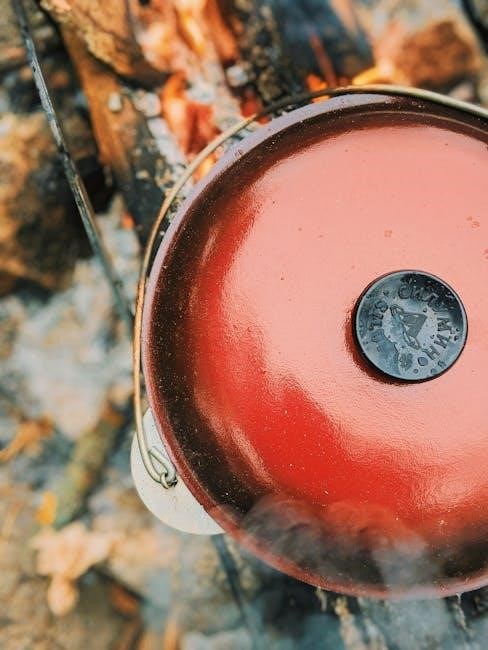
Lid material also impacts heat retention․ Cast iron lids, like the pot itself, excel at holding heat, contributing to consistent cooking temperatures․ Some lids incorporate condensation ridges on the underside, directing moisture back into the food, enhancing juiciness․ The weight of the lid further contributes to a secure seal, preventing heat loss․ A well-designed lid is therefore not merely a cover, but an integral component of the Dutch oven’s temperature control system, maximizing efficiency and culinary results․
Altitude Adjustments for Dutch Oven Cooking
Cooking at higher altitudes presents unique challenges due to lower atmospheric pressure, impacting boiling points and cooking times․ Water boils at a lower temperature, meaning food cooks slower․ When using a Dutch oven at altitude, adjustments are crucial for optimal results․ Generally, increase cooking time by approximately 25% for every 1,000 feet above sea level․
Temperature adjustments are also necessary․ Consider slightly increasing the amount of charcoal briquettes used, or raising the oven temperature by 25°F․ This compensates for the reduced heat transfer․ Pay close attention to liquid levels, as evaporation occurs more rapidly at higher altitudes․ Adding a bit more liquid initially can prevent food from drying out․ Careful monitoring and these adjustments will ensure your Dutch oven meals are perfectly cooked, regardless of elevation․

Troubleshooting Temperature Issues
Addressing temperature inconsistencies is key to Dutch oven success․ Identifying whether it’s running too hot or failing to reach the desired heat allows for quick corrections and delicious outcomes․
Dutch Oven Running Too Hot
If your Dutch oven is overheating, several adjustments can quickly remedy the situation․ Reducing the number of charcoal briquettes, particularly those placed on the lid, is a primary solution․ Carefully remove a few briquettes at a time, allowing the temperature to gradually decrease․
For oven-based cooking, lowering the oven temperature by 25°F can make a significant difference․ Monitoring the internal temperature of your food with a reliable thermometer is crucial․
Another tactic involves slightly lifting the lid to release excess heat, but do so cautiously to avoid significant temperature fluctuations․ Consider using fewer briquettes initially for future cooks, or adjusting placement for better heat distribution․ Remember, consistent monitoring and small adjustments are vital for maintaining optimal cooking temperatures within your Dutch oven․
Dutch Oven Not Reaching Desired Temperature
When a Dutch oven struggles to reach the target temperature, a systematic approach is essential․ For charcoal cooking, incrementally increase the number of briquettes, focusing on those beneath the oven initially, to boost bottom heat․ Ensure proper briquette placement, referencing a conversion chart for accurate temperature estimations․
If using a standard oven, verify the oven’s calibration and increase the set temperature by 25°F․ Confirm the Dutch oven lid is securely sealed to prevent heat escape․
Consider the ambient temperature; colder environments require more heat input․ Avoid frequent lid lifting, as this releases valuable heat․ Patience is key; allow sufficient time for the Dutch oven to preheat and stabilize at the desired temperature․ Consistent monitoring with a thermometer will guide adjustments․
Safety Considerations for Dutch Oven Temperature
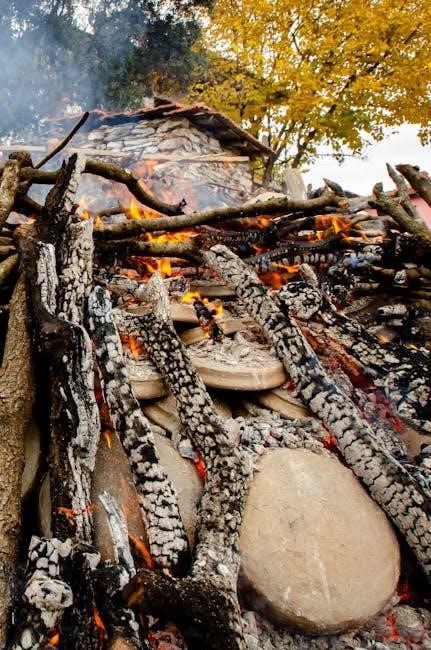
Working with high Dutch oven temperatures demands strict adherence to safety protocols․ Always utilize heavy-duty oven mitts or pot holders when handling the hot Dutch oven and lid, protecting against severe burns․ Exercise extreme caution when working with charcoal, ensuring proper ventilation to avoid carbon monoxide poisoning․
Never place a hot Dutch oven directly onto flammable surfaces; use trivets or heat-resistant pads․ Be mindful of the surrounding environment, keeping children and pets at a safe distance․ Avoid sudden temperature changes, which can cause cracking or shattering of the cast iron․
When using a standard oven, allow the Dutch oven to cool completely before washing․ Proper handling and awareness are paramount for a safe and enjoyable cooking experience․