Kayak Purchase Guide: A Comprehensive Overview (Updated 02/15/2026)
Navigating the world of kayaks can be daunting! This guide simplifies the process, covering types like inflatable and touring models.
We’ll explore materials,
features, and
beginner-friendly options like the Advanced Elements AE1012-R and Pelican Sentinel 100X.
Understanding Kayak Types
Choosing the right kayak begins with understanding the diverse types available, each designed for specific purposes and paddling conditions. Recreational kayaks are ideal for leisurely paddling on calm waters, prioritizing stability and ease of use – perfect for beginners exploring lakes and slow-moving rivers.
Sit-on-top kayaks offer exceptional stability and accessibility, making them popular for warm-weather paddling and activities like fishing. Their self-bailing design minimizes water accumulation, while the open deck allows for easy entry and exit.
Sit-inside kayaks provide greater protection from the elements, shielding paddlers from wind and spray. They often feature a sealed cockpit and are well-suited for cooler conditions and longer distances.
Inflatable kayaks stand out for their portability and storage convenience. Modern inflatable designs utilize durable materials and advanced construction techniques, offering surprising performance and stability. They are a fantastic option for those with limited storage space or who travel frequently.
Touring kayaks, also known as sea kayaks, are designed for longer expeditions and challenging conditions. They prioritize efficiency, tracking, and storage capacity, allowing paddlers to cover significant distances with comfort and control. Fishing kayaks incorporate specialized features like rod holders, tackle storage, and stable platforms for anglers.
Recreational Kayaks: For Leisurely Paddling
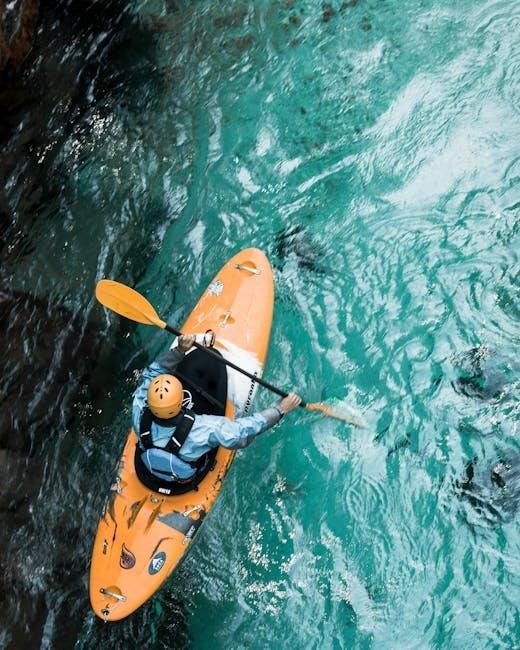
Recreational kayaks are the quintessential choice for paddlers seeking relaxed enjoyment on calm waters. These kayaks prioritize stability, making them exceptionally user-friendly, particularly for beginners. Their wider hulls and shorter lengths contribute to a forgiving paddling experience, minimizing the risk of capsizing.
Comfort is a key feature, with spacious cockpits offering ample legroom and accommodating various body types. Recreational kayaks are typically constructed from durable polyethylene, providing excellent impact resistance and affordability. They are ideal for exploring lakes, slow-moving rivers, and sheltered bays.
Expect a slower pace and less efficient tracking compared to touring kayaks, but this trade-off is well worth it for the enhanced stability and ease of use. Many recreational models include convenient features like molded-in seat backs, paddle holders, and storage compartments for personal belongings.
They are a fantastic entry point into the world of kayaking, allowing newcomers to develop their paddling skills and confidence without feeling overwhelmed. Consider a recreational kayak if your primary goal is to enjoy peaceful outings and connect with nature.
Sit-On-Top Kayaks: Stability and Accessibility
Sit-on-top kayaks are renowned for their exceptional stability and ease of access, making them a popular choice for beginners, families, and anyone prioritizing a carefree paddling experience. Unlike sit-inside kayaks, paddlers sit on top of the kayak, offering a secure and open feeling. This design inherently provides a lower center of gravity, significantly enhancing stability.
Self-bailing scupper holes are a defining feature, automatically draining any water that enters the cockpit, eliminating the need for a spray skirt. Re-entry after a capsize is incredibly simple – just climb back on! These kayaks are often constructed from durable polyethylene, capable of withstanding bumps and scrapes.
They are incredibly versatile, suitable for various activities like fishing, snorkeling, and leisurely paddling. The open deck provides ample space for gear, and many models feature integrated rod holders and storage compartments.
While offering less protection from the elements than sit-inside kayaks, their accessibility and stability make them an excellent option for warm-weather paddling and those seeking a relaxed, worry-free experience on the water.
Sit-Inside Kayaks: Protection from the Elements
Sit-inside kayaks offer a more traditional kayaking experience, providing greater protection from the elements and enhanced efficiency for longer distances. Paddlers sit inside a cockpit, often utilizing a spray skirt to prevent water from entering. This enclosed design shields you from wind, waves, and cooler temperatures, extending your paddling season.
These kayaks generally track straighter and are faster than sit-on-top models, making them ideal for touring and exploring waterways. The lower profile also reduces wind resistance. Cockpit size and shape vary, impacting comfort and ease of entry/exit.
Materials range from durable polyethylene to lightweight composite materials, influencing both price and performance. While offering superior protection, sit-inside kayaks require a bit more skill to enter and exit, especially in the event of a capsize. Learning self-rescue techniques is highly recommended.
They are a fantastic choice for paddlers seeking a more immersive experience, prioritizing efficiency, and venturing into cooler or more challenging conditions. The enclosed cockpit provides a sense of security and control.
Inflatable Kayaks: Portability and Storage
Inflatable kayaks have revolutionized accessibility to the sport, offering unparalleled portability and storage convenience. Deflated, these kayaks can be rolled up and packed into a backpack, making them perfect for travelers, apartment dwellers, or anyone with limited storage space. The Advanced Elements AE1012-R is a prime example of a popular, packable choice.
Modern inflatable kayaks utilize durable materials like PVC and Hypalon, often incorporating multiple air chambers for enhanced safety. Tri-layer construction and aluminum ribs, as seen in some models, further increase rigidity and performance. Despite being inflatable, many achieve surprising speed and stability on the water.
They are an excellent option for recreational paddling on calm lakes and slow-moving rivers. While not typically suited for rough ocean conditions, advancements in design are expanding their capabilities. Inflation and deflation are relatively quick with included pumps.
Consider an inflatable kayak if ease of transport and storage are top priorities. They offer a fantastic entry point into kayaking without the logistical challenges of traditional hard-shell boats.
Touring Kayaks: For Longer Expeditions
Touring kayaks, also known as sea kayaks, are designed for extended journeys on open water. These sleek, efficient vessels prioritize speed, tracking, and storage capacity, enabling multi-day adventures and covering significant distances. Unlike recreational models, touring kayaks often feature a longer waterline and a narrower beam.
Key features include sealed hatches for secure, waterproof storage of gear like camping equipment, food, and clothing. A rudder or skeg system is crucial for maintaining a straight course, especially in windy conditions or currents. The cockpit is typically smaller and more fitted to the paddler for enhanced control.
Construction materials commonly include composite materials like fiberglass or carbon fiber, offering a lightweight yet incredibly durable build. This reduces fatigue during long paddles. While more expensive than recreational or inflatable options, the investment is worthwhile for serious paddlers.
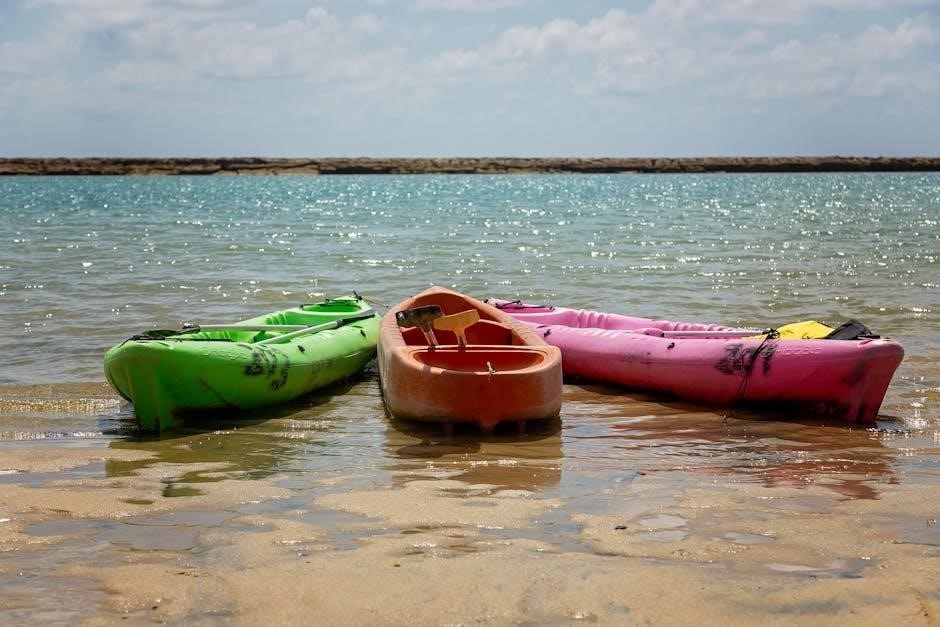
Touring kayaks demand more skill and experience due to their responsiveness and sensitivity to technique. They are ideal for exploring coastlines, navigating lakes, and embarking on ambitious paddling expeditions.
Fishing Kayaks: Specialized Features for Anglers
Fishing kayaks are specifically engineered to enhance the angling experience on the water. These stable platforms incorporate features catering to fishermen of all levels, from beginners to seasoned pros. Stability is paramount, often achieved through wider hulls and pontoon-style designs, allowing for comfortable casting and reeling.
Dedicated fishing kayaks boast numerous specialized features, including rod holders, tackle storage compartments, and mounting tracks for accessories like fish finders and GPS units. Many models include livewells to keep your catch fresh, and anchor systems to hold position in currents or wind.
Construction materials vary, with polyethylene being a popular choice for its durability and affordability. However, higher-end models may utilize composite materials for reduced weight and increased performance. Pedal-driven kayaks are also gaining popularity, freeing up hands for fishing.
Consider features like comfortable seating, ample deck space, and a stable platform when selecting a fishing kayak. These kayaks transform any waterway into a prime fishing spot, offering a unique and rewarding angling experience.
Key Kayak Materials
The material a kayak is constructed from significantly impacts its weight, durability, performance, and price. Understanding these differences is crucial for making an informed purchase; Three primary materials dominate the kayak market: polyethylene, composite materials, and those used in inflatable kayaks – primarily PVC and Hypalon.
Polyethylene is the most common material due to its affordability and exceptional impact resistance. These kayaks are incredibly durable, capable of withstanding bumps and scrapes, making them ideal for rocky rivers or frequent transport. However, they tend to be heavier and less rigid than other options.
Composite kayaks, built from materials like fiberglass, carbon fiber, or Kevlar, offer a superior balance of weight and performance. They are significantly lighter than polyethylene kayaks, resulting in increased speed and maneuverability. However, they are more expensive and susceptible to damage from impacts.
Inflatable kayaks utilize PVC or Hypalon, offering portability and easy storage. PVC is more affordable, while Hypalon provides greater durability and resistance to UV damage. Modern inflatable kayaks with multi-layer construction and reinforced features are surprisingly robust.

Polyethylene Kayaks: Durability and Affordability

Polyethylene kayaks represent the workhorse of the kayaking world, prized for their exceptional durability and budget-friendly price point. Constructed from high-density polyethylene plastic, these kayaks can withstand significant impacts, making them an excellent choice for beginners or those paddling in challenging environments like rocky shorelines or shallow rivers.
The inherent toughness of polyethylene means these kayaks are less prone to cracking or puncturing compared to composite or inflatable models. This robustness translates to lower maintenance costs and a longer lifespan, even with regular use and less-than-gentle handling. They are forgiving, which is a huge benefit for new kayakers still developing their paddling skills.
However, this durability comes with a trade-off: weight. Polyethylene kayaks are generally heavier than those made from composite materials, potentially making transport and launching more challenging. They also tend to be less rigid, which can slightly impact performance and tracking in windy conditions. Despite these drawbacks, their affordability and resilience make them a popular choice for recreational paddling.

Composite Kayaks: Lightweight and High Performance
For paddlers prioritizing speed, efficiency, and maneuverability, composite kayaks stand as the premier choice. Constructed from materials like fiberglass, carbon fiber, or Kevlar, these kayaks offer a remarkable strength-to-weight ratio, significantly reducing paddling fatigue and maximizing on-water performance.
The lighter weight of composite kayaks translates to easier launching, portaging, and overall handling. Their rigid construction enhances tracking and responsiveness, allowing for precise control and efficient power transfer with each stroke. This makes them ideal for touring, racing, and more demanding paddling conditions.
However, this superior performance comes at a higher cost. Composite kayaks are considerably more expensive than polyethylene models, and they are also more susceptible to damage from impacts. Cracks or punctures can occur with rough handling, requiring professional repairs. Despite this vulnerability, the enhanced performance and enjoyable paddling experience offered by composite kayaks make them a worthwhile investment for serious kayakers.
Inflatable Kayak Materials: PVC and Hypalon
The durability and performance of an inflatable kayak hinge significantly on the materials used in its construction. Two primary materials dominate the inflatable kayak market: Polyvinyl Chloride (PVC) and Chlorosulfonated Polyethylene (Hypalon). Understanding their differences is crucial for making an informed purchase.
PVC is the more common and affordable option. It’s known for its good abrasion resistance and airtightness, making it suitable for recreational paddling. However, PVC is susceptible to UV degradation and can become brittle over time with prolonged sun exposure. Multi-layer PVC constructions, often reinforced with drop-stitch technology, enhance durability and rigidity.
Hypalon, on the other hand, is a premium material offering superior durability and resistance to UV rays, chemicals, and extreme temperatures. It’s significantly more expensive than PVC but boasts a longer lifespan and greater resilience. Kayaks constructed with Hypalon are often favored by adventurers and those seeking a long-term investment.
The Advanced Elements AE1012-R utilizes a tri-layer construction for added peace of mind.
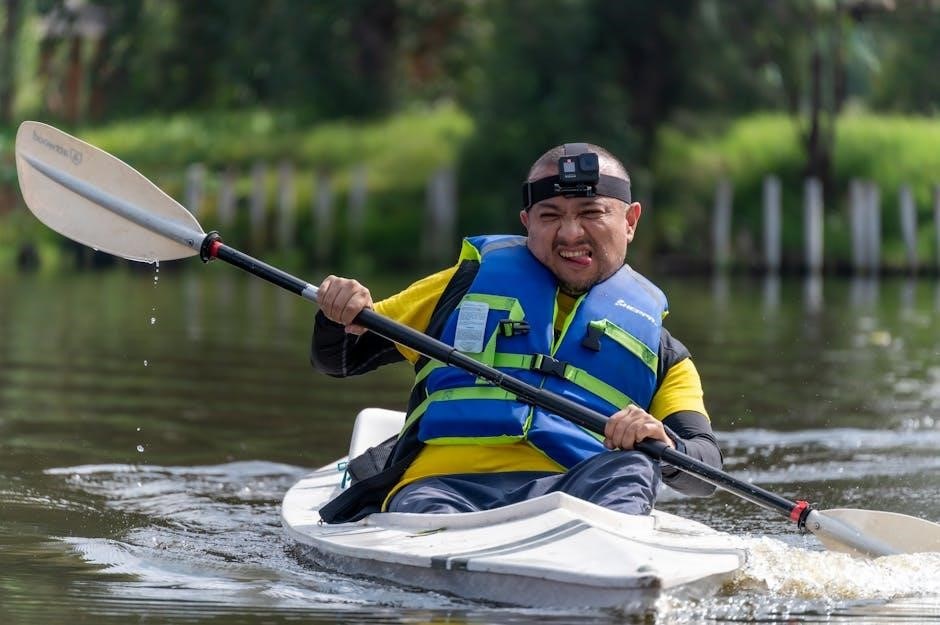
Essential Kayak Features to Consider

Beyond the basic type and material, several key features significantly impact a kayak’s performance and your overall paddling experience. Careful consideration of these elements ensures you select a kayak that aligns with your needs and skill level.
Kayak length and width are fundamental. Longer kayaks generally track straighter and are faster, ideal for touring, while shorter, wider kayaks prioritize stability – perfect for beginners and recreational use. Cockpit size and shape influence comfort and ease of entry/exit; larger cockpits offer more space, while smaller ones enhance control.
Weight capacity is paramount for safety. Always choose a kayak that can comfortably accommodate your weight plus any gear you plan to carry. Steering mechanisms, like rudders or skegs, improve tracking and maneuverability, particularly in windy conditions or currents. A rudder offers more precise control, while a skeg provides directional stability.
Considering these features will help you find the right fit!
Kayak Length and Width: Impact on Stability and Speed
The dimensions of a kayak – specifically its length and width – are critical determinants of its performance characteristics. These factors directly influence both stability and speed, impacting how the kayak handles in various conditions and for different paddling styles.
Generally, longer kayaks excel in speed and tracking. Their streamlined shape reduces drag, allowing for efficient forward motion, making them well-suited for touring and covering longer distances. However, this often comes at the expense of maneuverability. Conversely, shorter kayaks prioritize stability and responsiveness. Their wider beam provides a more stable platform, ideal for beginners and recreational paddling in calm waters.
Wider kayaks offer increased initial stability, meaning they resist tipping more easily, but can be slower and require more effort to paddle. Narrower kayaks are faster but demand more balance and skill. Finding the right balance between length and width depends on your intended use, experience level, and preferred paddling environment.
Cockpit Size and Shape: Comfort and Access
The cockpit is the opening you sit in within a sit-inside kayak, and its size and shape significantly impact comfort, ease of entry/exit, and overall paddling experience. A well-designed cockpit should accommodate your body comfortably without feeling cramped or overly spacious.
Larger cockpits offer easier access, particularly for those with limited flexibility or larger builds. They also provide more room for gear storage within reach. However, they can compromise bracing ability and may allow more water to enter during rough conditions. Smaller cockpits offer a snugger fit, enhancing control and bracing, but can be challenging to enter and exit, especially in the water.
Cockpit shape also plays a role. Rounded cockpits generally offer more legroom, while rectangular cockpits provide a more secure fit. Consider your body type, intended use, and personal preferences when evaluating cockpit dimensions. A comfortable and accessible cockpit is crucial for enjoyable and safe paddling.
Kayak Weight Capacity: Ensuring Safe Load Limits
Understanding a kayak’s weight capacity is paramount for safety and performance. This specification, provided by the manufacturer, indicates the maximum combined weight the kayak can safely carry – including the paddler, passenger (if applicable), gear, and any added accessories. Exceeding this limit compromises stability, maneuverability, and can even lead to capsizing.
It’s crucial to accurately estimate your total weight, factoring in everything you’ll bring on the water. Don’t underestimate the weight of items like paddles, PFDs, dry bags, fishing tackle, or coolers. Always err on the side of caution and choose a kayak with a weight capacity significantly higher than your estimated load.
Consider future needs as well. If you anticipate carrying more gear on future trips, opt for a kayak with a higher capacity. Remember that weight distribution also matters; evenly distribute the load to maintain balance and stability. Ignoring weight limits can create a dangerous situation, so prioritize safety and choose wisely.
Rudder vs. Skeg: Steering and Tracking
Kayaks utilize rudders or skegs to enhance steering and tracking – maintaining a straight course. While both serve similar purposes, they function differently. A rudder is a submerged blade controlled by foot pedals or a hand lever, allowing for precise directional control, similar to a boat’s steering wheel. Rudders excel in windy conditions and offer responsive turning.
A skeg, conversely, is a fixed fin extending from the hull. It doesn’t steer the kayak directly but increases directional stability by resisting lateral movement. Skegs are simpler and more durable than rudders, requiring less maintenance. They are particularly effective for touring kayaks designed for long, straight-line paddling.
The choice between a rudder and a skeg depends on your paddling style and intended use. Recreational kayakers often don’t need either, while touring kayakers benefit from a skeg. Anglers might prefer a rudder for precise positioning. Consider your needs and paddling environment when making your decision.
Top Beginner Kayak Models (2026)
Selecting a beginner kayak requires balancing stability, ease of use, and affordability. Several models consistently receive high praise for novice paddlers. The Advanced Elements AE1012-R remains a popular inflatable choice, lauded for its tri-layer construction and aluminum ribs, providing enhanced durability and peace of mind. It’s easily portable and storable, ideal for those with limited space.
Another standout option is the Pelican Sentinel 100X. This lightweight kayak, weighing only 41.8 pounds, is exceptionally beginner-friendly, performing admirably in calm, slow-moving waters. Its design prioritizes comfort and stability, making it an excellent choice for first-time kayakers.
Beyond these, consider recreational kayaks known for their wide hulls and stable platforms. Look for features like adjustable footrests and padded seats to maximize comfort during longer paddles. Remember to check recent reviews and ratings to ensure the model meets your specific needs and preferences for 2026.
Advanced Elements AE1012-R: A Popular Inflatable Choice
The Advanced Elements AE1012-R consistently ranks as a top pick for beginner kayakers, and for good reason. Its standout feature is the robust tri-layer construction, combining durable materials for exceptional puncture resistance. Integrated aluminum ribs further enhance the frame, providing rigidity and improving tracking performance on the water. This inflatable kayak isn’t just about durability; it’s designed for comfort.
The adjustable high-back seat and padded footrest contribute to a comfortable paddling experience, even on longer excursions. Its portability is a major advantage, easily deflating and rolling up for convenient storage and transport. Weighing in at a manageable weight, it’s suitable for individuals with varying levels of strength.
With a price point of around $710.00 (as of April 4, 2024), it represents a solid investment for those seeking a reliable and versatile inflatable kayak. Available on platforms like Amazon, the AE1012-R offers a blend of performance, convenience, and value.
Pelican Sentinel 100X: Lightweight and Beginner-Friendly
The Pelican Sentinel 100X is frequently recommended as an excellent entry point into the world of kayaking, particularly for novice paddlers. Its defining characteristic is its remarkably lightweight design, tipping the scales at just 41.8 pounds. This makes it exceptionally easy to carry, launch, and maneuver, even for those with limited upper body strength. Measuring 9.5 feet in length, it strikes a balance between stability and maneuverability, making it well-suited for calm lakes, slow-moving rivers, and sheltered bays.
Despite its beginner-friendly nature, the Sentinel 100X doesn’t compromise on comfort. The adjustable padded seat and ergonomic features ensure a pleasant paddling experience. Its construction focuses on durability, offering reliable performance for recreational use.
This kayak excels in providing a stable and forgiving platform, allowing beginners to quickly gain confidence and develop their paddling skills. It’s an affordable option, making it accessible to a wider range of budgets, and represents a fantastic starting point for exploring the joys of kayaking.
Recreational Kayak Recommendations for Beginners
For those embarking on their kayaking journey, recreational kayaks offer the perfect blend of stability, affordability, and ease of use. These kayaks are designed for calm waters – lakes, ponds, and slow-moving rivers – and prioritize comfort over speed or advanced features. A key consideration is choosing a wider kayak, as this significantly enhances stability, crucial for building confidence.
The Pelican Sentinel 100X consistently appears on “best of” lists for beginners, lauded for its lightweight design and manageable size. Another strong contender is the Advanced Elements AE1012-R, an inflatable option that provides excellent portability and surprising durability thanks to its tri-layer construction and aluminum ribs.
When selecting a recreational kayak, prioritize features like an adjustable seat, ample storage for essentials, and a durable hull material. Don’t overlook the importance of a comfortable paddle and a properly fitted Personal Flotation Device (PFD). Remember to research and read reviews to find the kayak that best suits your individual needs and paddling environment.
Kayak Accessories: Paddles, PFDs, and More
Beyond the kayak itself, a range of accessories are essential for a safe and enjoyable paddling experience. First and foremost is a Personal Flotation Device (PFD), legally required and crucial for safety. Choose a PFD that fits snugly and allows for a full range of motion.
A quality paddle is equally important. Consider paddle length based on your height and kayak width; adjustable paddles offer versatility. Materials range from aluminum (affordable) to fiberglass and carbon fiber (lighter, more efficient). Don’t underestimate the value of a comfortable grip!
Other useful accessories include: a bilge pump or sponge to remove water, a spray skirt (for sit-inside kayaks to keep water out), a dry bag to protect valuables, a whistle for signaling, and a kayak cart for easy transport. Sun protection – hat, sunglasses, sunscreen – is vital, as is appropriate clothing for the weather conditions. A first-aid kit is always a smart addition to your kayaking gear.
Budgeting for Your Kayak Purchase
Determining a realistic budget is a critical first step in your kayak journey. Kayak prices vary dramatically, from under $300 for basic inflatable models to several thousand dollars for high-end touring or fishing kayaks. Factor in more than just the kayak’s initial cost.

Essential accessories – PFD, paddle, spray skirt, bilge pump – will add to the overall expense. Expect to spend at least $100-$300 on these necessities. Transportation costs, such as a roof rack or kayak cart, should also be considered. Don’t forget potential storage fees if you lack space at home.
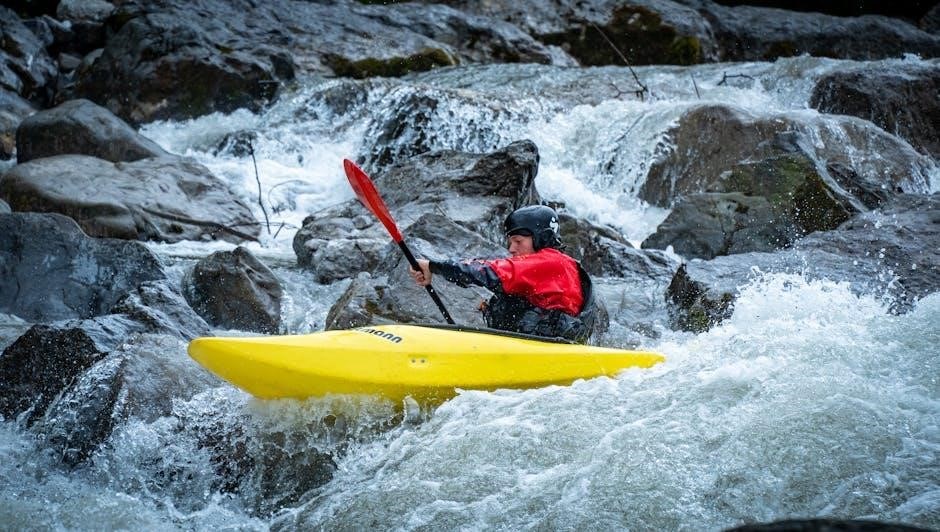
Consider the long-term costs too. Kayaks require occasional maintenance and repairs. Investing in a higher-quality kayak upfront may save you money in the long run by reducing the need for frequent replacements. Explore financing options if needed, but be mindful of interest rates. Remember to allocate funds for potential lessons or guided tours to enhance your skills and safety.