Lettering Guides: A Comprehensive Overview (Updated 02/15/2026)
Discover the art of beautiful lettering! These guides explore hand lettering, calligraphy, and typography, offering tutorials and practice plans for all skill levels.
What are Lettering Guides?
Lettering guides are instructional resources designed to teach the art of creating decorative lettering and stylized handwriting. They serve as a stepping stone for beginners eager to learn foundational techniques, and also offer advanced explorations for seasoned artists. These guides encompass a broad spectrum of styles, including the elegant strokes of calligraphy, the illustrative nature of hand lettering, and the principles of typography.
Essentially, they demystify the process, breaking down complex forms into manageable steps. Whether through detailed tutorials, practice worksheets, or comprehensive courses, lettering guides empower individuals to transform simple words into visually stunning pieces of art. They are a gateway to expressing creativity and personal style through the written word.
Types of Lettering Covered in Guides
Lettering guides typically delve into three primary disciplines: hand lettering, calligraphy, and typography. Hand lettering focuses on drawing letters, treating each as an individual illustration, offering immense creative freedom. Calligraphy, conversely, emphasizes the art of beautiful writing with specific tools and techniques, adhering to established rules for stroke formation.
Typography concerns the design of typefaces and their arrangement, often explored in guides to understand letter spacing and visual hierarchy. Many guides highlight the distinctions between these forms, helping learners choose a style that aligns with their artistic goals. Resources often provide instruction across all three, fostering a well-rounded understanding.
Hand Lettering vs. Calligraphy
Hand lettering and calligraphy, though often used interchangeably, are distinct art forms. Calligraphy is the art of writing beautifully, relying on established rules and consistent letterforms achieved through specific pen angles and pressure. It’s about the flow and rhythm of writing.
Hand lettering, however, is the art of drawing letters. Each letter is treated as a unique illustration, allowing for greater stylistic freedom and variation. You can modify letter shapes and sizes as desired. While calligraphy requires mastery of technique, hand lettering prioritizes artistic expression and design.
Hand Lettering vs. Typography
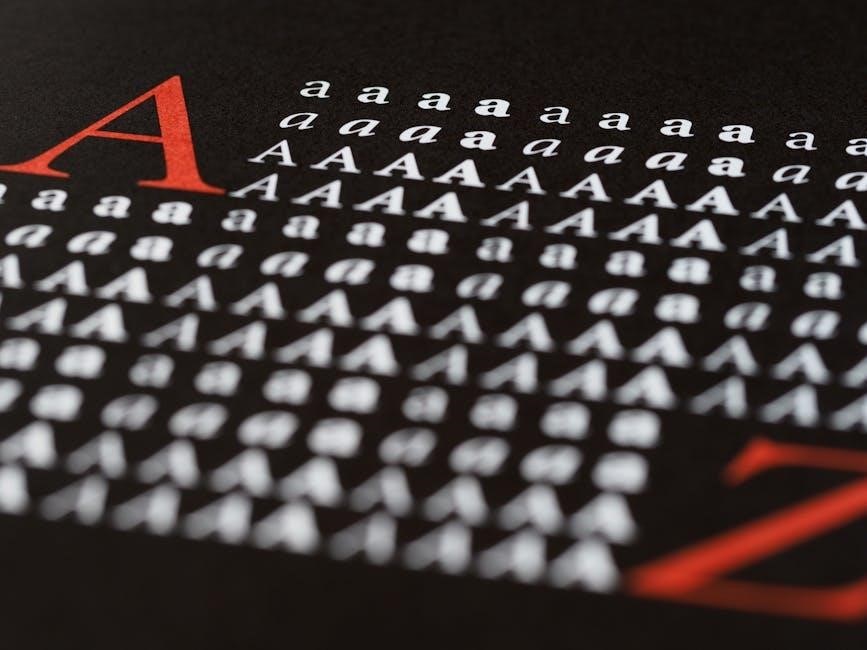
Hand lettering and typography both deal with letterforms, but their approaches differ significantly. Typography is the art and technique of arranging type to make written language legible, readable, and appealing. It utilizes pre-designed fonts and focuses on consistency and clarity for mass communication.
Hand lettering, conversely, is a manual, illustrative process. Each letter is uniquely crafted, offering a personalized and artistic touch. Typography aims for functional aesthetics, while hand lettering prioritizes expressive design. Think of typography as selecting and arranging building blocks, and hand lettering as sculpting each block individually.
Essential Tools for Beginners
Embarking on your lettering journey requires a few key supplies! Brush pens are fundamental, offering varying tip sizes for diverse styles. Pencils and erasers are crucial for sketching guidelines and refining letterforms before committing to ink. Don’t underestimate the importance of paper choice; smoother paper is ideal for brush pens to prevent fraying, while textured paper suits pencil work.
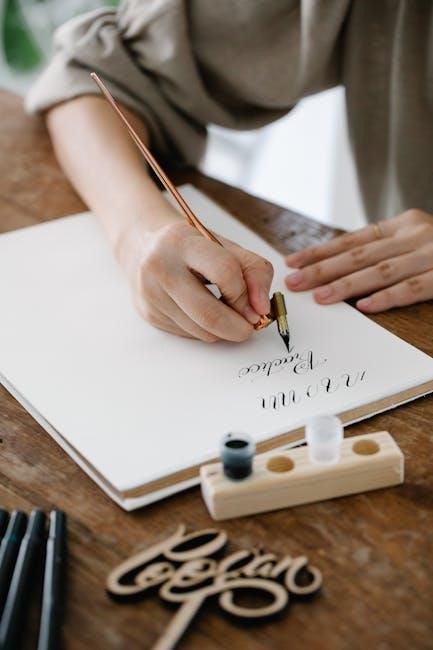
Beginners should start with affordable tools to experiment. Gradually invest in higher-quality materials as skills develop. Having the right tools fosters confidence and unlocks creative potential, making the learning process more enjoyable.
Brush Pens: Types and Recommendations
Brush pens are central to modern lettering, offering versatility and control. Small tip brush pens, like the Tombow Fudenosuke, are excellent for beginners due to their precision. Larger brush pens, such as the Pentel Touch Sign Pen, create bolder strokes and expressive lettering. Water-based brush pens blend beautifully, while pigment-based pens are waterproof.
For practice, consider a variety pack to explore different styles. Experiment with pressure to achieve thick downstrokes and thin upstrokes. Remember, finding the right brush pen is personal – explore and discover what feels most comfortable!
Pencils and Erasers for Sketching
Sketching is fundamental to lettering, allowing for experimentation and refinement. HB pencils are a great starting point – versatile enough for light guidelines and darker outlines. Softer graphite pencils (2B, 4B) create richer, bolder sketches, ideal for shading and expressive forms. Invest in a good quality eraser; a kneaded eraser lifts graphite without damaging the paper.
Plastic or vinyl erasers are useful for precise corrections. Don’t press too hard when sketching, as this can make erasing difficult. Lightly sketch your lettering layout before committing with ink!
Paper Choices for Different Techniques
Selecting the right paper significantly impacts your lettering experience. Smooth paper, like Bristol board, is excellent for brush lettering, preventing fraying of brush pen tips. Rougher textured paper works well with pencils and charcoal for sketching initial designs. For calligraphy with inks, hot-pressed watercolor paper minimizes feathering and bleed-through.
Consider paper weight; heavier weight papers (100lb+) resist buckling when using wet media. Practice on inexpensive paper first to test inks and techniques before using premium stock.
Basic Lettering Techniques
Mastering fundamental techniques unlocks creative lettering potential. Faux calligraphy, a beginner-friendly method, simulates calligraphy using regular pens by thickening downstrokes. Brush lettering focuses on varying pressure – thin upstrokes and thick downstrokes – to create dynamic forms.
Consistency is key; practice creating uniform letter heights, widths, and spacing. Start with basic shapes and gradually build complexity. Experiment with different styles and find what resonates with your artistic vision. Regular practice builds muscle memory and improves control.
Faux Calligraphy: A Beginner-Friendly Approach
Faux calligraphy is an excellent starting point for aspiring letterers, requiring only a standard pen! The process involves writing letters as you normally would, then thickening the downstrokes to mimic the look of traditional calligraphy. This simple technique builds an understanding of stroke weight and letterform construction.
Focus on consistent angles when adding thickness. Experiment with different pen types – fineliners, gel pens, or even markers – to achieve varied effects. It’s a fantastic way to develop control and precision before investing in brush pens.
Brush Lettering Basics: Downstrokes and Upstrokes
Mastering downstrokes and upstrokes is fundamental to brush lettering. Apply more pressure on your brush pen during downstrokes to create thick lines, and lighten the pressure for thin upstrokes. This contrast is what gives brush lettering its distinctive, elegant appearance.
Practice consistent pressure and angle control. Slow, deliberate movements are key, especially when starting. Focus on the flow between thick and thin lines, building muscle memory. Remember, consistent practice is crucial for developing a smooth, beautiful brush lettering style!
Creating Consistent Letterforms
Achieving consistency in your lettering requires mindful practice and attention to detail. Establish a baseline and x-height to guide your letter heights. Maintain uniform spacing between letters and words for visual harmony. Sketch lightly before committing to ink, allowing for adjustments.
Focus on repeating shapes and angles throughout your alphabet. Use guidelines to ensure consistent slant and size. Regularly evaluate your work, identifying areas for improvement. Practice drills focusing on specific letterforms to build muscle memory and refine your technique.
Practice Plans & Worksheets
Structured practice is key to developing your lettering skills. Utilize 4-week plans focusing on progressive techniques, starting with foundational elements like single words. Alphabet practice sheets, covering both uppercase and lowercase forms, are invaluable for building consistency.
Worksheet resources specifically designed for modern calligraphy offer targeted exercises. Consistent repetition reinforces muscle memory and improves letterform control. Downloadable worksheets provide convenient, on-the-go practice opportunities. Regularly assess your progress and adjust your plan as needed to maximize learning and enjoyment.
4-Week Hand Lettering Practice Schedule
Week 1 focuses on foundational strokes – mastering downstrokes and upstrokes with brush pens. Week 2 introduces basic letterforms, practicing consistent shapes and sizes. Week 3 delves into connecting letters, building words with smooth transitions. Week 4 explores stylistic variations, like bounce lettering and simple flourishes.
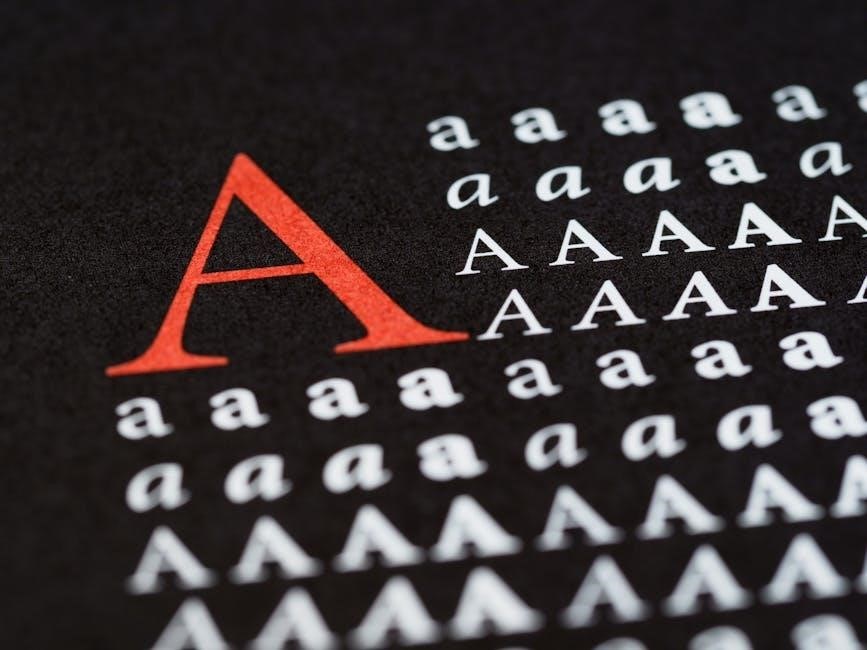
Daily 15-30 minute sessions are recommended for optimal progress. Each week includes dedicated practice sheets and example words. Prioritize consistency over perfection, focusing on building muscle memory. Review previous weeks to reinforce learned skills and identify areas for improvement.
Alphabet Practice Sheets (Uppercase & Lowercase)
These sheets provide structured practice for forming both uppercase and lowercase letters in various modern calligraphy styles. Each letter is presented with stroke breakdowns and guiding lines for consistent shapes. Worksheets include space for repetition and personal exploration of letter variations.
Begin with basic forms, focusing on proper pen angle and pressure. Gradually progress to more complex letter connections and flourishes. Utilize the sheets alongside video tutorials for visual guidance. Downloadable PDFs are available for convenient printing and practice.
Worksheet Resources for Modern Calligraphy
Explore a curated collection of downloadable worksheets designed to enhance your modern calligraphy skills. These resources cover foundational strokes, letterforms, and connecting letters, providing a structured learning path. Find practice sheets focusing on specific techniques like flourishing and bounce lettering.
Many free options are available online, alongside premium worksheets offering more in-depth instruction. Utilize these tools to reinforce concepts learned from tutorials and courses. Consistent practice with these worksheets is key to developing muscle memory and achieving beautiful results. Javascript is often required to access these resources.
Modern Calligraphy Styles
Dive into the diverse world of modern calligraphy, moving beyond traditional scripts. Explore techniques like bounce lettering, which introduces playful variations in letter height and baseline. Master flourishing and embellishments – adding elegant swirls and decorative elements to your work.
Experiment with different brush pen pressures to create dynamic thick and thin strokes. Modern styles often embrace a relaxed and expressive approach, encouraging individuality. Discover how to combine these elements to develop a unique calligraphic voice. These styles are perfect for invitations, cards, and artistic projects.
Bounce Lettering Techniques
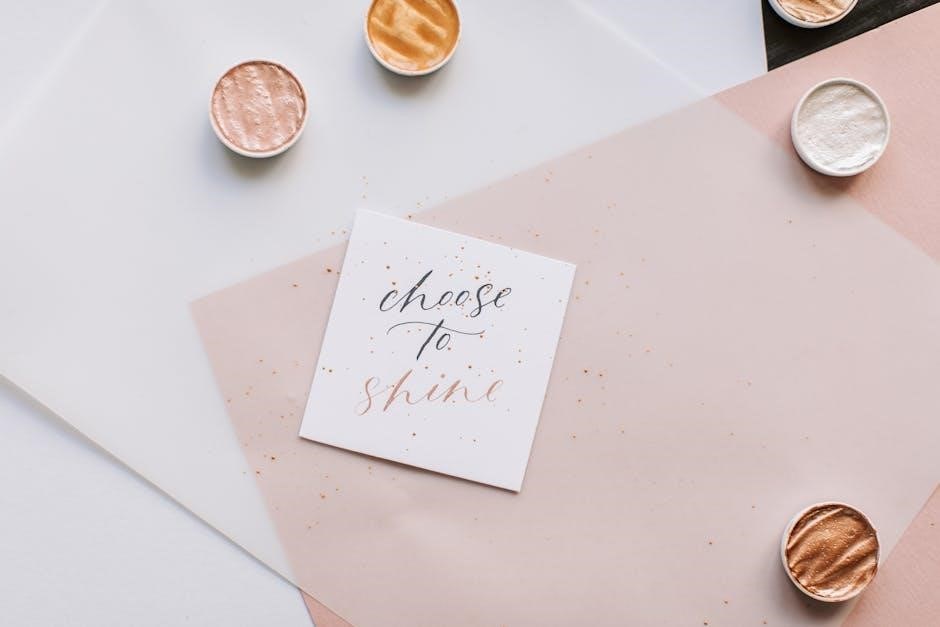
Bounce lettering introduces a playful and dynamic quality to your hand lettering. Instead of maintaining a consistent baseline, letters appear to “bounce” above and below it, creating visual rhythm. Begin by sketching lightly, experimenting with varying the height of each letter. Focus on creating a natural, flowing movement, avoiding rigid patterns.
Consider the overall composition, ensuring a balanced and harmonious look. Practice controlling the degree of bounce – subtle variations can be just as effective as dramatic ones. Bounce lettering is ideal for adding personality to quotes, headings, and decorative designs.
Flourishing and Embellishments
Flourishing elevates lettering to an art form, adding intricate curves, loops, and decorative elements; Start with basic strokes, practicing control and consistency before attempting complex designs. Experiment with different weights and styles of flourishes, complementing the lettering style. Consider the negative space created by flourishes, ensuring balance and readability.
Embellishments can include dots, swirls, leaves, or other small details that enhance the overall aesthetic. Use flourishes sparingly, avoiding overcrowding the design. Observe examples of calligraphy and lettering to inspire your own creations, developing a unique and personal style.
Turning Handwriting into Calligraphy
Transforming your natural handwriting into a calligraphic style is a rewarding journey. Begin by analyzing your current letterforms – note the consistent shapes, slants, and pressure points. Identify areas for improvement, focusing on consistency and elegance. Introduce calligraphic techniques like varying stroke weight and consistent letter height.
Adapt these techniques gradually, building upon your existing habits. Practice drills focusing on specific letterforms, refining your control and precision. Experiment with different tools and styles to find what complements your handwriting best. Remember, it’s about evolving, not erasing, your unique style!
Analyzing Your Existing Handwriting
Before embarking on calligraphy, a thorough analysis of your current handwriting is crucial. Observe the consistency of letter heights, widths, and slants. Identify unique characteristics – are your letters rounded or angular? Pay attention to spacing between letters and words; is it uniform?
Note pressure variations – where do you naturally apply more or less force? Recognize any habitual loops or flourishes. Document these observations; this forms your baseline. Understanding your natural tendencies will help you adapt calligraphic techniques seamlessly, building upon existing muscle memory rather than starting from scratch.
Adapting Techniques for Calligraphic Style
Leverage your handwriting analysis to integrate calligraphic principles. If your writing is slanted, explore flourishing techniques that enhance this natural inclination. Rounded letters lend themselves well to brush lettering’s flowing strokes. Angular forms can be refined with precise, controlled calligraphy.
Gradually introduce thicker downstrokes and thinner upstrokes, mimicking calligraphy’s core principle. Experiment with consistent letter heights and spacing. Don’t abandon your personal style entirely; aim for a harmonious blend of your handwriting’s essence and calligraphic elegance. Practice mindful adjustments to transform familiar forms.
Resources for Further Learning
Expand your lettering journey with a wealth of online tutorials and comprehensive courses. Explore platforms offering structured lessons, from beginner basics to advanced techniques in modern calligraphy and brush lettering. Dive into books dedicated to hand lettering, calligraphy, and drawing letters, providing in-depth knowledge and inspiration.
Stock video materials offer visual guidance for brush pen lettering styles. Utilize practice worksheets for alphabet mastery, focusing on both uppercase and lowercase fonts. Remember to enable Javascript for optimal access to online resources. Join communities to share progress and receive feedback, fostering continuous improvement.
Online Tutorials and Courses
Numerous online platforms provide accessible lettering instruction, catering to all levels. Beginner-friendly tutorials demystify hand lettering, proving it’s easier than you think. Explore courses focusing on modern calligraphy, brush lettering, and transforming handwriting into elegant scripts. Discover step-by-step guidance on techniques like flourishing and embellishments.
Many resources offer free introductory content, allowing you to sample different styles before committing. Look for courses that include practice worksheets and personalized feedback. Consider platforms offering structured learning paths, building skills progressively. These digital resources provide convenience and flexibility for self-paced learning.
Books on Hand Lettering and Calligraphy
Delve deeper into the art with comprehensive books covering various lettering styles. Explore titles dedicated to modern calligraphy, brush lettering, and the fundamentals of drawing letters. Many books offer detailed instructions, practice exercises, and inspirational examples. Look for resources that break down complex techniques into manageable steps.
Consider books focusing on specific tools, like brush pens, and their unique applications. Some publications guide you through analyzing your handwriting and adapting it for calligraphic expression. These printed resources provide a tactile learning experience and serve as valuable references for continued practice and inspiration.